
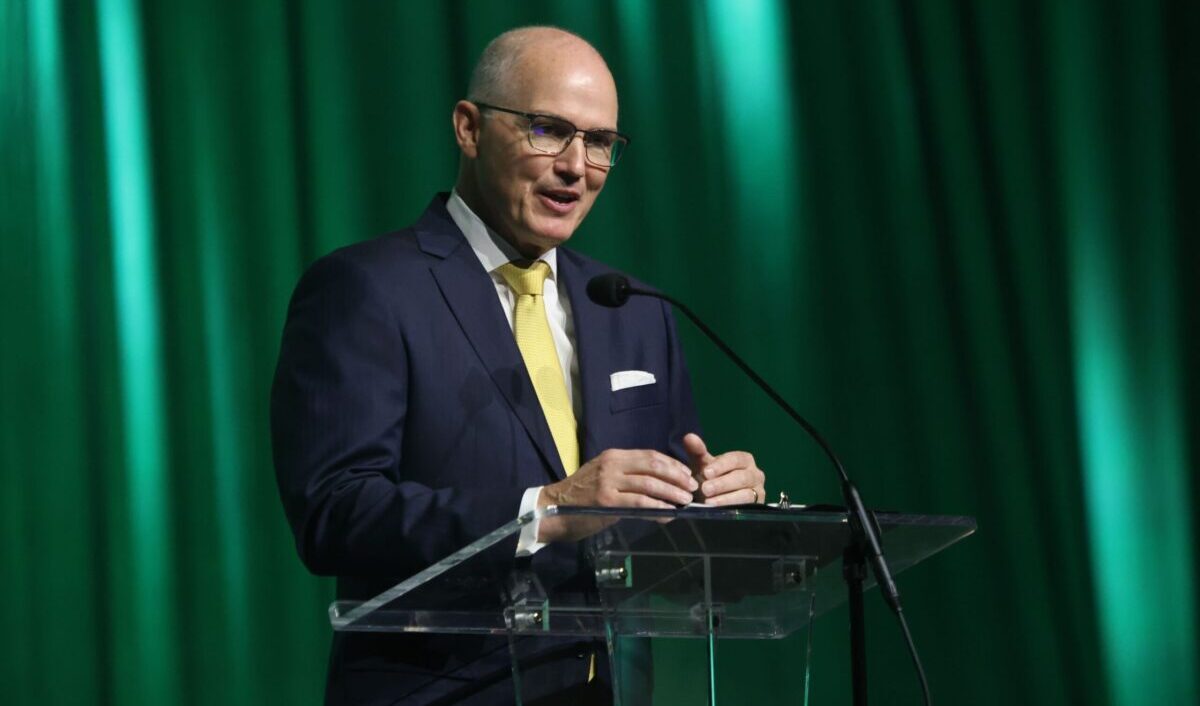
If churches will take better care of their pastors, then pastors will be able to take better care of their churches. That’s what two Southern Baptist leaders believe as they reflect on their own pastoral experiences and on serving alongside hundreds of pastors.
Craig Webb, a third-generation pastor, leads the Hawaii Pacific Baptist Convention. Webb wrote an article earlier this month with practical ways for churches to care for their pastors. In a subsequent interview, Webb shared a story his father, Henry, told him.
“Around 1970, the Hawaii Baptist Convention challenged its churches to take a hard look at what they were paying their pastors,” Henry said. “The finance committee at the church I served as pastor took it seriously and raised my salary and the missions pastor’s by about 20% in a single year.”
Significant waves
As you might expect, that increase made significant waves for the family.
“That revolutionized our family’s ability to survive with Hawaii’s high cost of living,” Henry said, “And that set the stage for appropriate salary increases in the following years.”
Reflecting on his father’s experience, Craig told Baptist Press: “When your church shows tangible care like that, it not only fills your pastor with courage, it frees him.”
Caring for the pastor and his family frees the pastor to care for the congregation.
“A pastor who isn’t lying awake wondering how to cover the [financial] gap has more of himself to give you on Sunday,” Webb said.
He encouraged churches to do their homework when they set the pastor’s financial package.
“Research what people in our own community with comparable education and responsibility earn,” he said.
Need for margin
Along with financial stability, margin is important in the pastor’s life, said GuideStone Financial Service President Hance Dilbeck.
“When a pastor is not taking care of himself or his family, then he is often living without margin,” he said.
It could relate to finances, schedule, physical health or emotional health, Dilbeck said.
“He’s always right on the verge of being exhausted and carrying as much burden as he can when it comes to the demands of people and his emotions,” he said. “And when we operate without margin, any little disruption or crisis or extra burden can put us over the edge.
“We’ve got to recognize that we’re human beings, and that we can only do so much.”
Dilbeck said a church can help its pastor create capacity to serve well.
“We have to discipline ourselves to live with the kind of margin that allows us to respond and react to the unexpected things that come our way,” he said.
Pastors need help
Webb believes it will take help for the pastor to build this margin, and influential church people must advocate for their pastor.
“If you have any influence in your church — if you’re a deacon, if you sit on the personnel or finance committee, if people listen when you talk — be your pastor’s advocate,” he said.
Webb agreed such support is necessary.
“Most pastors will never advocate for themselves,” he said. “They find it almost impossible to ask for money, for rest, for help. So somebody else has to do it for them, and that somebody is you.”
Dilbeck believes living by a simple biblical principle would make a profound impact on a church and her pastor.
“We need churches to understand their pastors are people,” Dilbeck said.
“The Golden Rule covers most of it – do unto others as you’d have it done unto you,” he said.
Dilbeck urged church members to “just put yourself in that position.”
“If you were the pastor and in his family, how would you want to be treated?”
As church members appreciate their pastors, Dilbeck encourages them to consider the meaning of the word “appreciate.”
“It has to do with the recognition of value,” he said. “To appreciate someone is to recognize their value.”
Dilbeck points to 1 Timothy 5:17 when he considers the appreciation of a pastor. It says, “The elders who are good leaders are to be considered worthy of double honor, especially those who work hard at preaching and teaching.” (CSB)
Other translations use the word “rule” in place of “lead.”
“When Paul uses the language of the elder who rules well being worthy of double honor, that word – honor – is a word that carries the sense of value,” he said.
Whether through word or action, Dilbeck believes every church should consider how it shows honor to its pastor.
“How is a church communicating the value of that ministry to that pastor and to his family?” he said.
EDITOR’S NOTE — This story was written by Brandon Porter and originally published by Baptist Press.





Share with others: