
EDITOR’S NOTE: This story is part of a series of articles focusing on the worldly challenges Christian families face and how the church can help.
When a parent leaves for any reason, it takes a toll on the family. The parent at home feels like a single parent while the children feel as if a part of them is missing.
In this article you will read about the toll deployment and prison have on family members. You will also read about how you, as a church or a minister, can help the families by showing God’s love to them during this difficult time in their lives.
Deployment testimonies
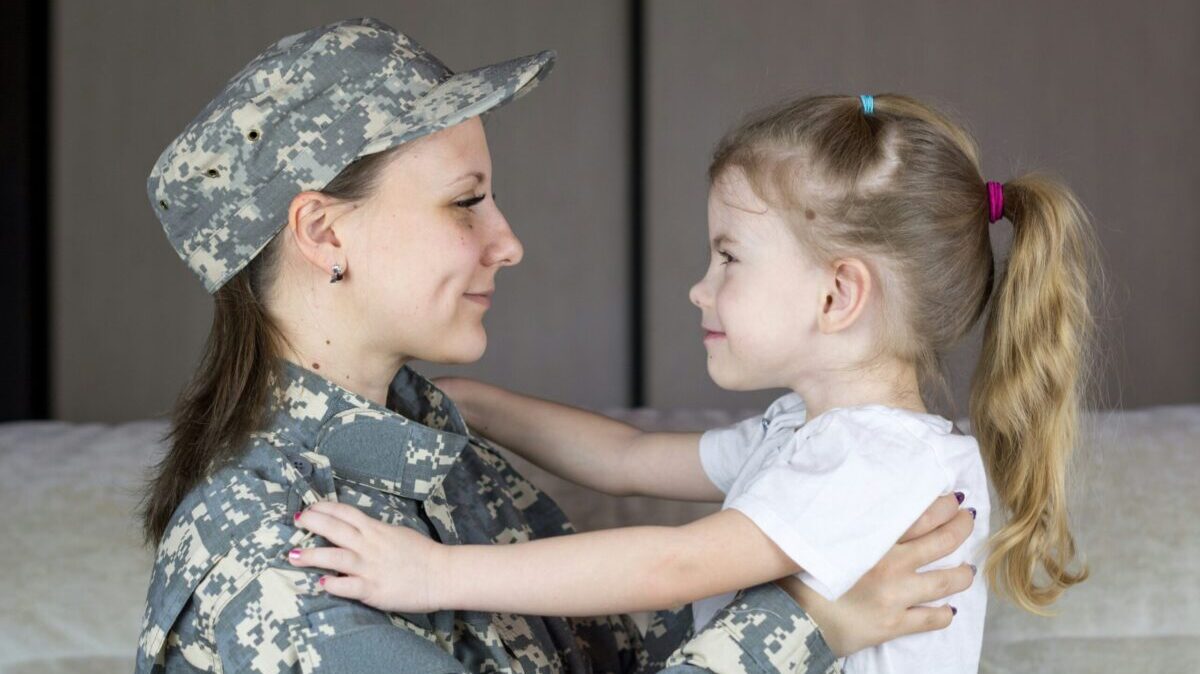
When Janet’s* husband was deployed to another country, she felt like a single parent to their three children. Her responsibilities increased and she found balancing work, home and parenting by herself to be overwhelming. The prolonged separation also caused anxiety, stress and loneliness. Janet worried constantly about her husband’s safety and well-being. The children missed their father, and at times their grades dropped or they had conflicts with other children.
When Elena’s husband, Antonio, a sergeant in the Army, returned from a 15-month deployment in Iraq he seemed depressed and sad, wanted to be alone, and showed little interest in his young children.
After Stacy Pearsall served in the U.S. Air Force from 1998–2008, she found reintegration difficult. “When you experience something as extraordinary as what you may experience in combat,” she said, “these things kind of stick with you, and they may live in a really dark place.”
Currently serving
More than 2.86 million people serve in the United States military. Spread across six main service branches — Army, Navy, Air Force, Marine Corps, Coast Guard and Space Force — all are tasked to protect and serve the U.S. Women constitute an average of 17.5% of active-duty personnel, and the average age of active-duty personnel across all branches is 28.5.
*Name changed for privacy
How churches can help
The church can help both the deployed service member and their families:
The Deployed
- Prayer support: Organize a prayer group dedicated to praying for them, encouraging participants to adopt a specific service member to pray for regularly.
- Communication: Send letters, care packages or emails to keep a connection and offer encouragement.
- Spiritual resources: Provide access to online sermons, devotions or Bible study materials, sharing links to military chaplaincy services and other resources (see https://mca-usa.org).
- Counseling: Offer remote counseling and pastoral care sessions to address spiritual and emotional needs.
- Post-deployment and reintegration: Be available with counseling and resources to help the service member readjust to home and family life.
Families of the Deployed
- Emotional and spiritual support: Create support groups for spouses and children to share their experiences. Offer counseling and pastoral care for families during a spouse’s deployment and reintegration.
- Practical assistance: Organize volunteers to help the spouse at home with chores, childcare, car repairs, maintenance, financial advice, etc.
- Stay involved: Host regular church-sponsored activities and social events to build and maintain a sense of community and spiritual support.
- Educational resources: Offer seminars on topics such as parenting during deployment, managing stress, financial planning, etc. Provide links to resources that offer support and information for military families.
- Holidays: Remember the deployed service member’s family during holidays, helping them feel included.
- Grief Support: If a service member is killed in the line of duty, the church can be a source of compassion, strength and hope through prayer and helping meet needs.
Prison Testimony
Joy and Mark met in college and married right after she graduated. She taught elementary school and Mark became a sales manager at a Fortune 500 company.
But before Mark gave his life to Christ at a church retreat, he was siphoning company funds. After he came to Christ he repented and begged God to free him from his money and material addictions.
When a co-worker reported him for theft, the company fired Mark. Scared and sick, Joy couldn’t believe what was happening. While waiting for Mark to be formally charged and sentenced, the family told their pastor and his wife about Mark’s crimes and found encouragement and loving support.
The couple sold their home and used Mark’s pension to pay back the stolen money. Charged with fraud and money laundering, Mark spent 16 months in federal prison.
But Mark and Joy’s story had a happy ending. The church ministered to Joy and the children during his incarceration, helping the couple keep their marriage together and strong. Eight years after Mark’s release, Prison Fellowship hired him as a prison ministry manager, and they are doing well today.
Massive increase in incarceration
Approximately 1.9 million people currently are incarcerated in the United States — some 1.5 million men and 190,600 women — a 458.82% increase since the 1970s. The most common reasons for imprisonment are violent offenses, followed by property and drug crimes, according to prisonpolicy.org.
More than 5.7 million American children under the age of 18 — one of every 12 — has experienced parental incarceration, sentencingproject.org reported.
The impact of imprisonment
The National Institute of Justice refers to the family members of prisoners as “hidden victims” who receive little personal support or benefits from society that are available to crime victims. They report that children in the family can face psychological strain, antisocial behavior, school-related issues, economic hardship and criminal activity.
Other studies show that children of an incarcerated parent also experience fear, guilt, sadness, anger, social stigma and discrimination related to a parent’s arrest. They may already have witnessed violence in the home or community and have been exposed to drug and alcohol misuse. As a result of disrupted family life, children could spend time in the foster care system.
When a wage-earning husband or father is incarcerated, the spouse and children can suffer serious financial strains, as well as social isolation and stigma, loneliness, anger and resentment.
And when a husband or father reenters society, he may face common problems of substance abuse, mental illness or a poor employment outlook.
How the church can help
For Christian families, the presence of a strong and caring faith-based community can provide crucial emotional and practical support in dealing with the incarceration of a spouse or parent. Church leaders and members can:
- Offer counseling, financial assistance and hands-on ministry to the prisoner’s family, providing a sense of hope and stability.
- Encourage family members to attend regular church services and be involved in activities to keep community connections.
- Offer support groups where family members can find emotional support and share their experiences, including prayer and Bible study group sessions to help comfort and strengthen families.
- Connect prisoners and help their families with faith-based programs like Prison Fellowship, which helps rehabilitate incarcerated individuals through spiritual growth and moral development.
- Create programs to mentor and tutor children of the incarcerated, helping them study and providing good role models.
- Create mentoring programs for spouses, offering guidance and support in managing home and work responsibilities.
- Provide transportation for families to visit a loved one in prison.
- Host seminars and invite special speakers to teach the church community about the challenges faced by families of prisoners, creating a supportive and understanding environment.
- Find and collect resources that help families understand their legal rights and seek available government and non-profit support services.
- Assist the formerly incarcerated during reentry into society. The newly-released spouse and parent may struggle to find a job, open a bank account or find a place to live due to past convictions. Recommend organizations like the Christian Association for Prison Aftercare, which supports the formerly incarcerated and their families as they reenter society.
During Mark’s imprisonment, their church ministered lovingly and regularly to Joy and her children.
“If I hadn’t had my church, if they had left me alone and I had to go through it all by myself, then I do not know if our marriage could have survived it,” Joy admitted. “I think I would have divorced him, so my image wasn’t tarnished. I would have felt so alone.”
With the help of compassionate pastors, church leaders and dedicated church communities, families like Mark and Joy’s can find comfort and loving support, ensuring their stories also have happy endings.




Share with others: