
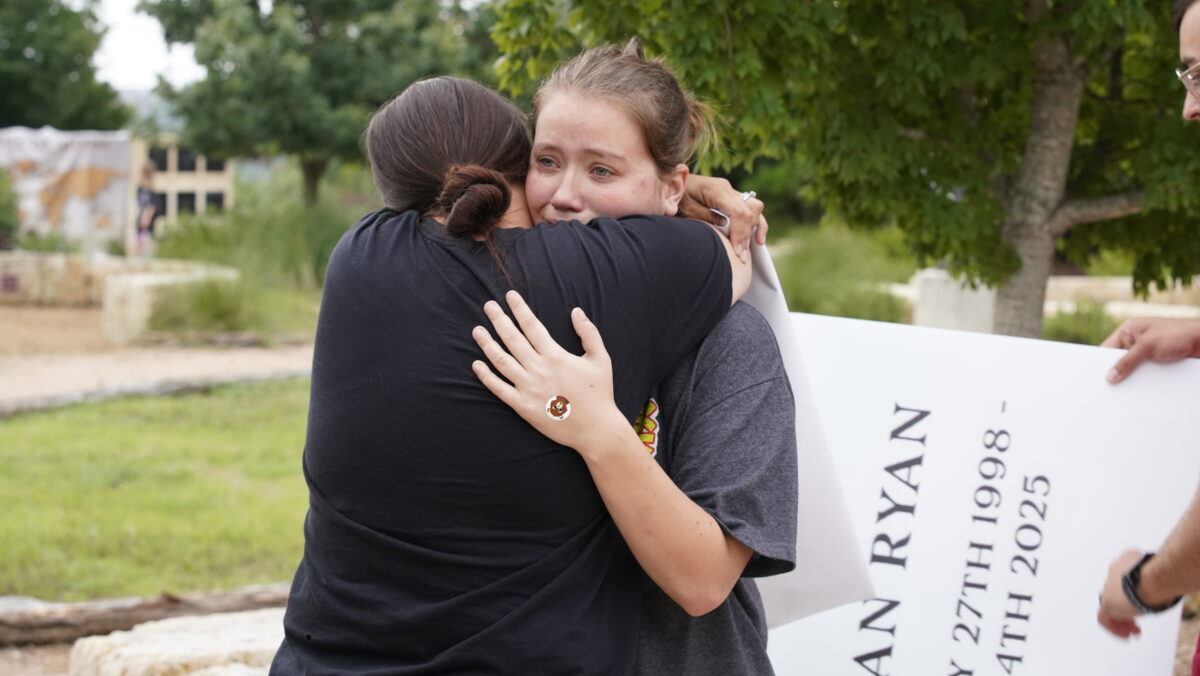
Summer camp is a rite of passage that parents remember and children look forward to, so in the wake of the tragedy in Texas, many are grieving with the families whose children died in a cherished setting. Beyond that connection, the tremendous loss of life in the flooding disaster hits all of us hard.
As believers, we have compassion for those who have lost loved ones even as we cling to our hope of eternity with Jesus. Grief is complicated though — for adults and especially for children.
Christian therapist Sissy Goff has counseled families for 32 years and spoke via webinar to parents seeking wise and practical advice for helping their families process tragedy.
Tragedies involving children

Goff, executive director of Daystar Counseling Ministries in Nashville and co-host of the Raising Boys and Girls podcast, helped families in the wake of the 2023 Covenant School shooting in Nashville. She also grew up going to camp on the Guadalupe River down the road from Camp Mystic, the Christian girls camp in Kerrville, Texas, where at least 27 campers and counselors died when devastating flash floods swept through the region during the predawn hours of July 4.
In videos on Instagram and YouTube, Goff offered a range of advice for parents and others who will be helping children navigate grief from losing friends and/or dealing with questions about death and tragedy.
What to expect from children who are grieving
Kids have a lot of the same feelings that adults have but they process it differently, Goff said. She offered a few important reminders:
- Kids grieve in doses. Kids will have a lot of the same emotions that adults do, but they come in spurts. There is no right way to grieve. There is no normalcy in grief. Be aware that they will grieve really hard and say something that is gut-wrenching, but then they will want to go outside and play. This is normal.
- Kids have an innate sense of what they need. That is going to come through with the questions that they have or when they want to play with their friends or snuggle with mom or dad. Grief will hit children in the middle of daily life, in the grocery store, for example.
- Developmental stages play an important role. Young kids will grieve through play. Play is the language of kids. Emotions will emerge through play. Children may act out through play what has happened to them, which is good — it’s how they are making sense out of something that doesn’t make sense. In those moments, step into their play, using a stuffed animal or role play, it will be helpful to their understanding. Middle and high schoolers will have conversations among their peers. Give them space to talk, and carefully correct misinformation or provide guidance through emotions.
Helping children who experienced tragedy
Children who experienced the tragedy firsthand are spread out and home now, Goff said. She recommends giving them a time to Facetime or talk with their peers who have shared the experience. This tragedy will be a part of their story from now on, she said, and memories will hit them at different parts of their lives. The way a child talks about the tragedy at 8 will be different than when they are 11 and or 15. But it will continue to come up, and that is normal.
Anxiety can be expected, Goff continued. Girls are twice as likely to experience anxiety than boys. The age of onset for anxiety used to be 8, but counselors have seen it drop to 6 with signs as young as 4 or 5.
While parents may be inclined to try to “rescue” kids from their grief, that is not the best response for the long term, Goff said. The goal is to help children learn to face their emotions independently in a healthy way rather than to be dependent on others for rescue.
4 questions
Goff said children will typically ask four questions as they process feelings related to grief and tragedy:
- What has happened or is happening?
- What does this mean for my life?
- Who is going to take care of me?
- Is what I am feeling okay?
Parents can preemptively write down answers to these questions and be ready to discuss at the appropriate time, Goff said.
Other practical tips
Goff suggested several other ways parents can respond in the short-term to a child’s grief:
- Remind them that all feelings are good and healthy. Empathy carves connection with kids. IF they want to do fun things, clear your schedule and spend time with them.
- Give them extra time and extra affection. There will be kids that show extra affection, which helps them feel secure. Ask them how they are doing, and check on them regularly.
- Beware idolizing one that has died. Talk about the reality of who that person was. In the event of the death of a sibling, be careful that other siblings are not lost in idolization.
- Limiting exposure to news outlets and social media. Supervise what they are watching, since misinformation abounds online.
- Be aware of your conversations with others when children are present. They are listening more often than you might realize.
When is it time for professional counseling?
When a child’s grief or anxiety begins to affect their daily life, it is time to consult a professional, Goff said. The child may ask to see someone, but if not, other signs could include:
- Consistent trauma responses or flashbacks.
- Physical manifestations of emotions that last more than a few weeks. These could include mood swings, sadness, anger, attention-seeking behavior, aggression, a lack of enjoyment in normally enjoyable activities, persistent stomach aches or other pains, sleep issues, hypervigilance, or other actions that seem out of character.
Final thoughts
“Remind kids that this is not the end,” Goff said. “Post-traumatic growth is coming on this side of heaven, and I believe we serve a redemptive good God. Hang on to those truths, and let your kids know that they are not alone. They will be okay, and this is not the end.”
Watch Goff’s webinar, Helping Kids Process Grief with Sissy Goff, and other podcast episodes online in their entirety at these links:
Raising Boys and Girls podcast
Helping Kids Process Grief with Sissy Goff: YouTube and Instagram (signup includes a list of resources and video access)


Share with others: