
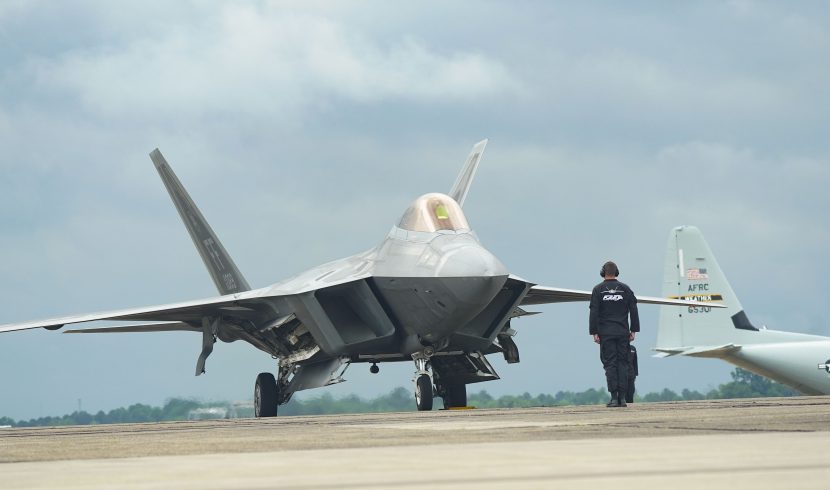
The U.S. Senate advanced the military construction and veterans funding bill Tuesday (July 22), with millions directed toward Alabama’s military bases.
Four military installations in the state could receive funds for construction projects. Alabama Sen. Katie Britt, who sits on the appropriations committee, helped secure funding for some of the projects in the fiscal year 2026 Military Construction, Veterans Affairs Appropriations Act. The Senate bill passed out of committee last week.
RELATED: Check out more Alabama news.
Subscribe to The Alabama Baptist today!
The appropriations bill cleared a procedural step Tuesday by a vote of 91 to 7. Alabama’s two senators voted to advance it. The Senate is expected to take a final vote on the bill later this week.
$119 million for improvements
In total, Alabama military installations could receive about $119 million for improvements. Britt directly secured about $32 million of that funding through earmarks, also known as congressional directed spending requests.
“One of the things that is critically important is that as this money is invested across the country, we have as much of it as possible invested in the state of Alabama, because it’s not an if, but a when, there will be another…base realignment and closure,” Britt told Alabama Daily News.
“And when that occurs, the better these facilities are, the more current and modern these facilities are, then the better opportunity we have to keep them open and thriving, keeping Alabama’s place in our national defense.”
If the Senate bill becomes law, Fort Rucker could receive $28.4 million, Maxwell Air Force Base would get $4 million, Redstone Arsenal would receive $55 million and Anniston Army Depot would receive $32 million.
Government funding will expire on Sept. 30. The military construction and veterans affairs appropriations bill is the first one being considered on the Senate floor this year. The House has passed two of the 12 appropriations bills so far.
Challenges ahead
With lawmakers out of Washington for a month during August recess, it will be difficult for Congress to pass all the bills on time, making a continuing resolution a likely scenario for fiscal year 2026.
Britt said she has been strongly pushing for Congress to pass all 12 spending bills this year.
“There is an entire segment that would like us to just operate on continuing resolutions,” she told ADN. I think that is not only not good for the taxpayer, but it’s shirking the responsibility that we have through the Constitution to do our work, and to be accountable to the people.”
EDITOR’S NOTE — This story was written by Alex Angle and originally published by Alabama Daily News.


Share with others: