
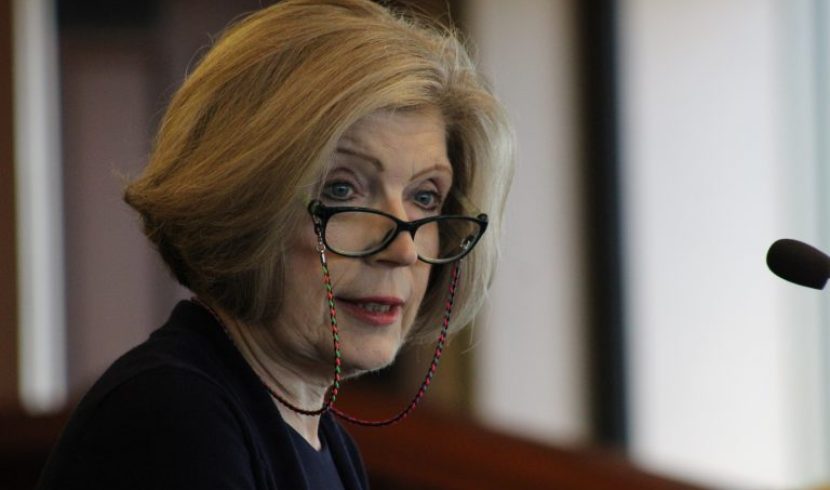
Alabama’s educator health insurance plan is facing a $380 million shortfall in 2027 that could compete with teacher pay raises in the state budget.
The pressure highlights a growing challenge for Alabama’s education budget: Health care costs for educators are climbing much faster than expected, and the price tag is beginning to collide with other priorities. In 2027, that could mean lawmakers face tough choices between funding insurance, approving teacher raises or finding money for both.
RELATED: Check out more Alabama news.
Subscribe to The Alabama Baptist today!
Retirement Systems of Alabama Chief Finance Officer Diane Scott told the Public Education Employees Health Insurance Plan board Wednesday (Sept. 3) the program will need an extra $380 million in fiscal 2027 just to keep up. By then, costs are projected to reach $1.8 billion – about $500 million more than in 2024. Of that, lawmakers would be asked to cover $1.5 billion.
Scott said costs are increasing across the board — hospital, medical and prescription drug coverage.
“Every year, we’re looking at a minimum increase in our cost of $100 million,” she said.
Hospital care is a major driver, PEEHIP Director Dave Wales said.
“(Increases are) in hospital stays, they’re in outpatient procedures, they’re in doctor visits and professional services. The largest increases [are] in those doctor visits, in those outpatient procedures… and then also in mental health and substance abuse.”
On Wednesday, the board approved a resolution asking lawmakers to cover a $1,209 monthly contribution per education employee in 2027. That’s up $305 a month from the $904 approved for fiscal 2026, which starts Oct. 1. PEEHIP currently covers about 104,000 active members and 350,000 total employees, spouses and dependents.
Scott said Alabama isn’t alone in battling rising costs.
“We are a member of the public sector health care roundtable, and everything that we get week after week is telling us that other plans around the nation are experiencing these same types of increases,” Scott said.
EDITOR’S NOTE — This story was written by Trisha Powell Crain and originally published by Alabama Daily News.




Share with others: