
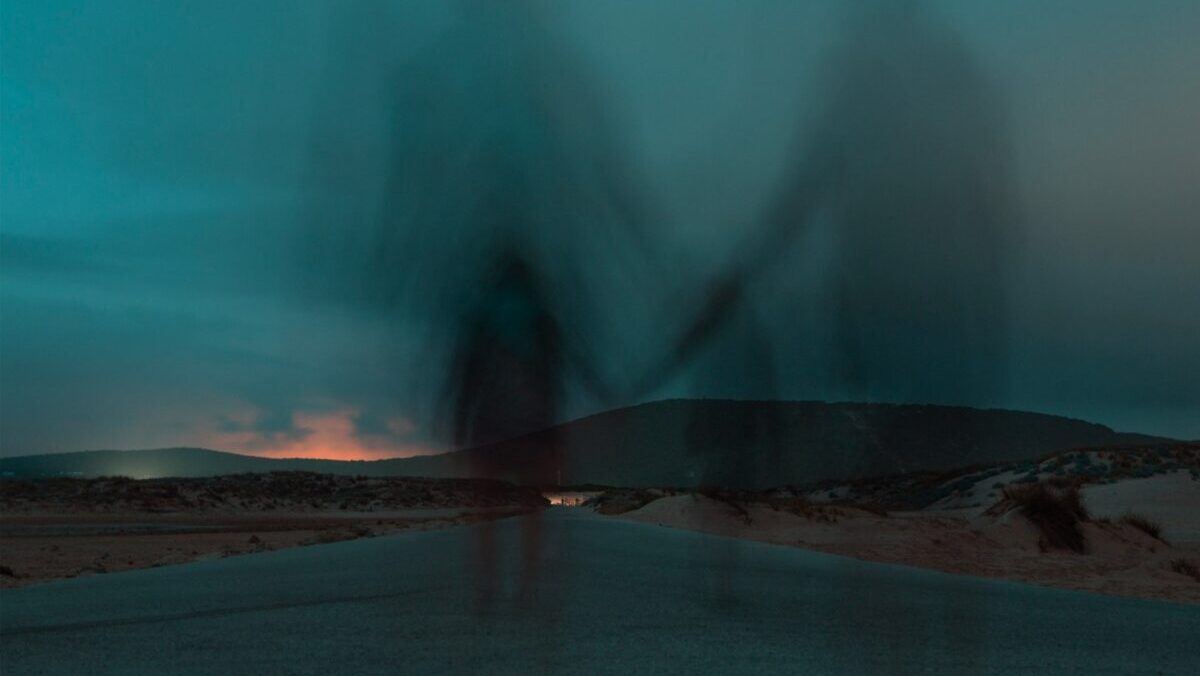
Would you buy a house where you knew there had been a murder?
Researchers asked that question and found that 64% of Americans would be disinclined to take such a step. That discomfort held whether respondents were interested in religion (64%) or not (62%), according to the latest findings from the Baylor Religion Surveys.
It’s one example of what scholars are calling “secular supernaturalism,” as more people move away from regular attendance in religious institutions and toward individual spiritual explorations that don’t involve God or gods but could involve anything from internet rituals to palm reading — activities researchers are categorizing as “magic.”
Subscribe to The Alabama Baptist today!
See more stories on IMB mission work.
“In general, we conceptualize secularity and religiosity as separate spheres. Now, in reality, of course, that’s not true,” said Baylor sociology professor Paul Froese, who gave a presentation titled “Who Believes in Magic? The Relationship between Magical Beliefs, Traditional Religion, and Science” on Halloween at the annual meeting of the Society for the Scientific Study of Religion and the Religious Research Association in Minneapolis.
The Baylor findings from the survey of 1,812 American adults in early 2025 show significant differences between the religiously interested and the religiously indifferent, especially around more traditional beliefs.
For example, 80% of respondents who were interested in religion believe in angels and in heaven, compared with 55% and 53% of those not interested in religion. Nearly 7 in 10 (69%) of those interested in religion believe in hell, compared with 43% of the religiously uninterested.
But similar percentages of both groups believe in ghosts (53% of religion-interested and 50% of religiously indifferent) and the possibility of talking to the dead (48% of religion-interested and 46% of religiously indifferent).
EDITOR’S NOTE — This story was written by Adelle M. Banks and originally published by Religion News Service.


Share with others: