
The Alabama House Education Policy Committee recently approved a bill that would create a new group to research and recommend changes to the state’s A–F school report card and would expand reporting on student outcomes tied to college and career readiness.
Subscribe to The Alabama Baptist today!
SIGN UP for our weekly Highlights emails.
House Bill 604 was filed last week after an earlier bill that proposed major changes to the state report card drew pushback from superintendents and other education officials.
House Bill 396 prescribed changes in the weights of the report card metrics which include achievement, academic growth and graduation rates, among others — and added a new metric tied to the lowest-performing students. It also created the Accountability Council, which is included in HB604.
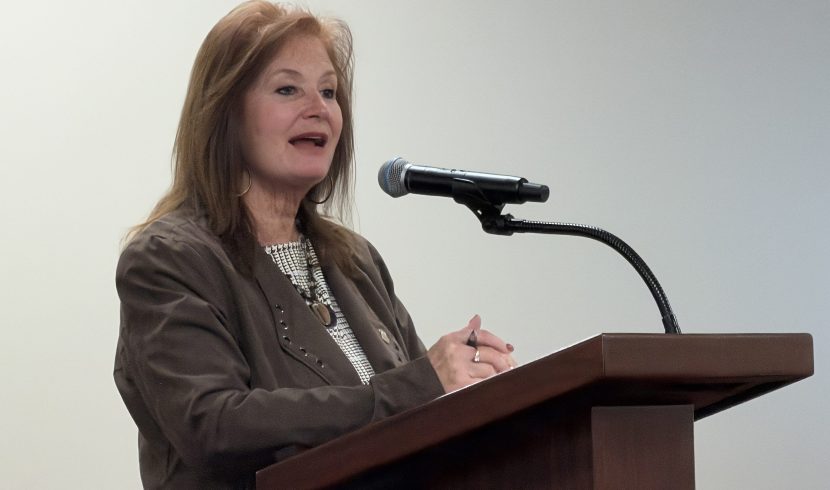
Both bills were sponsored by Rep. Terri Collins, R-Decatur, the chair of the House Education Policy Committee.
‘Extreme revision’
Collins told committee members that HB604 was an “extreme revision” of the earlier bill.
“It actually only includes the Accountability Council going forward,” she said. “And they would look at the current data that we’ve got coming in and things like that to make good recommendations on strengthening our accountability system.”
The new bill, HB604, keeps the Accountability Council and goes farther by adding a list of duties. The 24-member council would be made up of representatives from state agencies, education groups, business organizations and elected officials.
The bill states the council’s goal is to “ensure that the state’s educational accountability system supports improved outcomes and long-term success for all Alabama students, with a focus on closing achievement gaps.”
The council’s creation was also included in HB396, but HB604 goes farther than just creating the group by adding a list of duties.
The group’s duties include meeting annually and reviewing Alabama’s current K–12 school report card, studying other states’ report cards for best practices, guiding development of and reviewing an annual return on investment study and recommending changes to state education officials and elected leaders.
The bill requires the Alabama Workforce Board, with support from the State Department of Education and the Alabama Commission on Higher Education, to develop a system to collect and report public student-outcome data tied to college- and career-readiness indicators.
Those indicators include postsecondary enrollment and persistence, military enlistment, credentials, income within six years of graduation, and employment in high-wage, high-demand fields.
Heading to the House
The council would be created by July 1. The bill now heads to the House floor for consideration.
EDITOR’S NOTE — This story was written by Trisha Powell Crain and originally published by Alabama Daily News.




Share with others: