
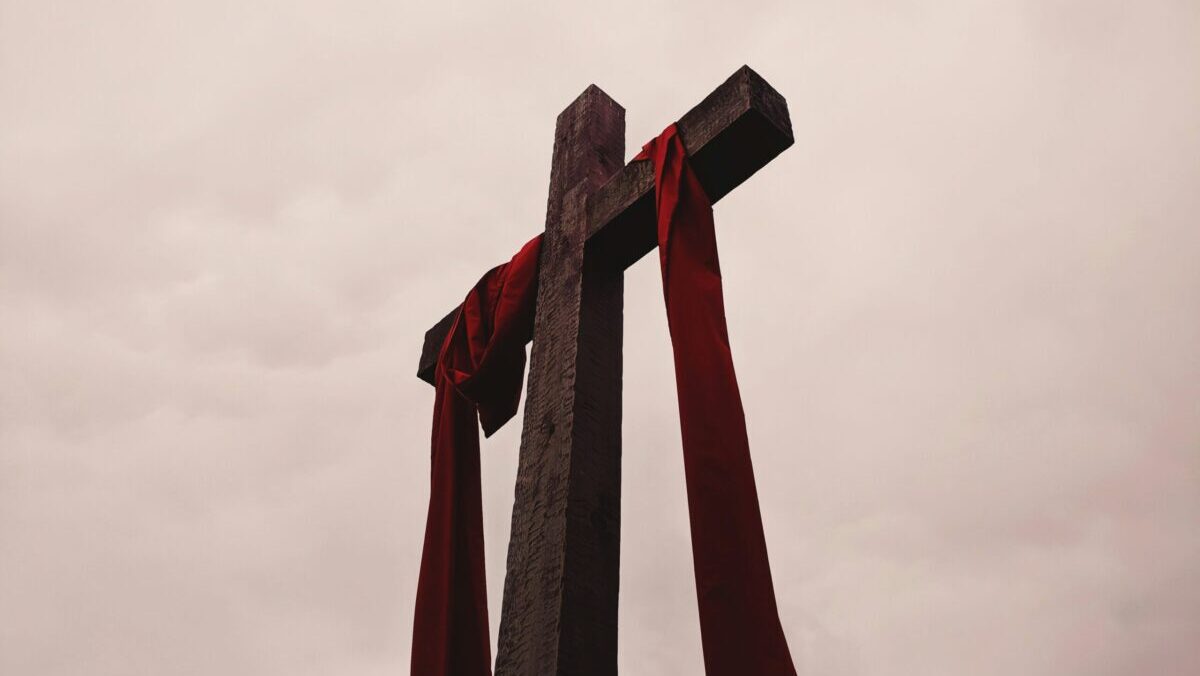
The Bible is full of paradox.
Jesus teaches us that the first shall be last (Matt. 20:16). We are told that whoever saves his life will lose it (Matt. 16:25). We read that the least among us is the greatest (Luke 9:48). Truths like these give us pause, but they remain true, nonetheless. My favorite biblical paradox, though, surrounds the story of Easter.
Palm Sunday, in particular, vividly reveals that the God of Scripture does not always appeal to us.
Check out “Preparing our Hearts for Easter” by Denise George.
The biblical scene is familiar because we often depict it in plays and recollections of Jesus’ resurrection.
Days before dying on the cross, the Lord entered Jerusalem to the welcome of an adoring crowd. On the surface, it appears that the multitudes eagerly worship Jesus as they cry out, “Hosanna!” while waving palm branches (John 12:13). Closer examination, however, reveals that self-preservation rather than worship was on the people’s minds. The word hosanna literally means “save us.” Contextually, the declaration carries a time constraint, meaning save us now!
To better understand, we must appreciate that first-century Jews believed their Messiah would be an earthly king who would immediately establish a worldly kingdom.
In other words, the salvation the people sought was deliverance from the Roman Empire. The palm branches were a reminder of a previous rebellion called the Maccabean revolt. When the warrior Judas Maccabaeus drove out the Greeks around 160 B.C., the people celebrated his victory and heroic status by waving palm branches in Jerusalem. Anytime a celebrated warrior returned to the city, he received the same sign of approval. For us, the modern equivalent would be waving the American flag. The motivation behind this celebration was political, not spiritual. The Jews wanted a Messiah, but one of their own making.
Savior we need
The problem was not that Jesus wasn’t a king, but that He was not the kind of king the people wanted.
God’s messianic king was not riding a horse (a sign of war), but a donkey (a sign of peace). Jesus did not come as a warrior to crush the Romans, but as a Savior to die on a cross for the sins of the world. What seemed like an irreversible defeat was actually the doorway to victory. Even the disciples did not understand the bitter path Jesus was walking. The Apostle Peter would later draw his sword to instigate what he thought would be the beginning of a holy war. And yet, Jesus refused to acquiesce to the shortsightedness of the crowds or His closest followers. He was, and is, determined to be the Savior we need, even if He isn’t the Savior we want.
Far too often, we are guilty of the same error.
We want a God who prioritizes our comfort rather than our cleansing. Sometimes what we seek is a means to success instead of a commitment to live a crucified life. In our weakest moments Jesus can become just another good-luck charm that exists to do our bidding rather than a sacrificial lamb who takes away our sins. Need to win the big game? There’s a Jesus for that. Need a new job? He is sure to supply. Want to justify a lifestyle contrary to Scripture? Our fabricated Jesus would want us to be happy. Unfortunately, sentiments like these are a more accurate reflection of our culture than the God of the Bible.
Retired Methodist preacher and theologian William Willimon once remarked, “If you listen to much of our preaching, you get the impression that Jesus was some sort of itinerant therapist who, for free, traveled about helping people feel better.” This is the kind of God we want — because the true Messiah doesn’t appeal to us quite as much.
What’s your motivation?
As we celebrate our risen Savior this Easter, let’s ask ourselves the hard questions about what motivates our faith.
Are you willing to worship God more than yourself?
Do you value God’s glory more than getting your own way?
Will you faithfully serve God even when He tells you, “no”?
Are you committed to living for what is eternal instead of what is temporal?
Though we don’t always recognize it immediately, we are far better off because Jesus cannot be reduced to our categories or wishes.
EDITOR’S NOTE — Adam B. Dooley is pastor of Englewood Baptist Church in Jackson, Tennessee, and author of “Hope When Life Unravels.” Contact him at adooley@ebcjackson.org. For more writings like these, visit adamdooley.org.

Share with others: