
Sometimes when a congregation is having trouble, folks look for the quick fix — by changing the music or moving to the suburbs or adding new programs, they think, everything will be OK.
But researchers involved in a large-scale study of U.S. congregations found there’s no one secret to success and there’s no simple formula for what works. But they say congregations that want to become extraordinary need to develop multiple strengths — to figure out what they do best and to focus on those things.
The U.S. Congregational Life Survey is the largest profile of worshipers ever produced in the United States — a survey of more than 300,000 worshipers from more than 2,200 congregations, taken in April 2001 as part of a broader body of research done in the United States, England, Australia and New Zealand.
Among the most recent findings of the survey, as explained by Cynthia Woolever, director of the U.S. Congregational Life Survey, were that:
–Size does not determine a congregation’s success.
“Meaningful worship happens in congregations of all sizes,” not just those with the resources to put on what Woolever called “the best show.” In fact, people are more likely to participate actively in small congregations than are those from bigger ones.
–Conservative congregations and those that are historically black tended to do better on a number of measures than did mainline Protestant and Catholic churches.
Conservative and historically black congregations were more likely to be places that helped people grow spiritually, where people found worship to be meaningful, where they actively participated
–Midsize congregations — those whose worship attendance was between 100 and 350 — were given the best ratings in caring for children and youth. Catholic parishes scored the lowest and conservative Protestant churches the highest.
–Several factors seemed to predict growth.
The strongest predictors for growth were if the congregation did a good job caring for children and youth, had high levels of participation in small groups and other activities and seemed welcoming to new people.
The survey found examples of successful congregations of all sizes, in cities and in rural areas, in many different situations — leading Woolever and her colleagues to conclude that “churches just really have to ask, ‘What’s going to work for us in our location with the people who are here?’”
Woolever also said she was troubled by the often lower rankings that Catholic parishes seemed to get — some had expected that Catholic congregations would be among those where people reported the greatest sense of belonging, and that wasn’t true.
“I think they should come out better than they have, and I’m not sure why (they didn’t). I’m just not ready to say Catholic parishes are not as strong,” Woolever said.
Some other conclusions from the study:
–People who attend small congregations are more likely than those from midsize or larger congregations to say they’re growing spiritually and to feel empowered to use their gifts and talents for leadership.
People also report a strong sense of belonging in small congregations.
–Congregations whose worshipers are younger than the average age of those attending worship also have a strong sense of belonging, and “the sense of home is particularly important to younger people,” Woolever said. Congregations with younger members tend to do a better job caring for children and teenagers.
–When focusing on the community, mainline Protestant congregations have the strongest community focus, as do congregations with older worshipers, Woolever said.
–Small congregations, conservative Protestant churches and historically black congregations have the strongest record of faith-sharing — placing the strongest emphasis on talking to others about their faith.
–Congregations have widely differing stories of how many new people they attract — ranging from just a trickle who’ve come in the last five years to close to 80 percent.
Some of that is due to mobility, Woolever said — some communities are high-transfer places. Younger congregations tend to have more new people, as do conservative Protestant congregations (historically black congregations have the fewest). (RNS)
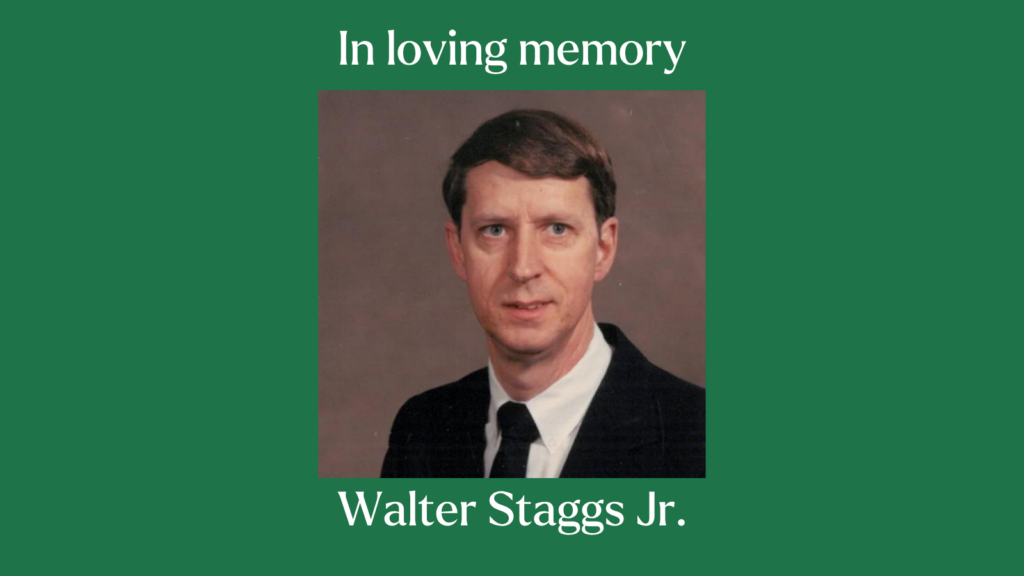
Mobile-area trauma chaplain Walter Staggs Jr. dies at 85
Staggs combined his finance background with chaplaincy training to serve nationally and internationally in a variety of ministry roles.
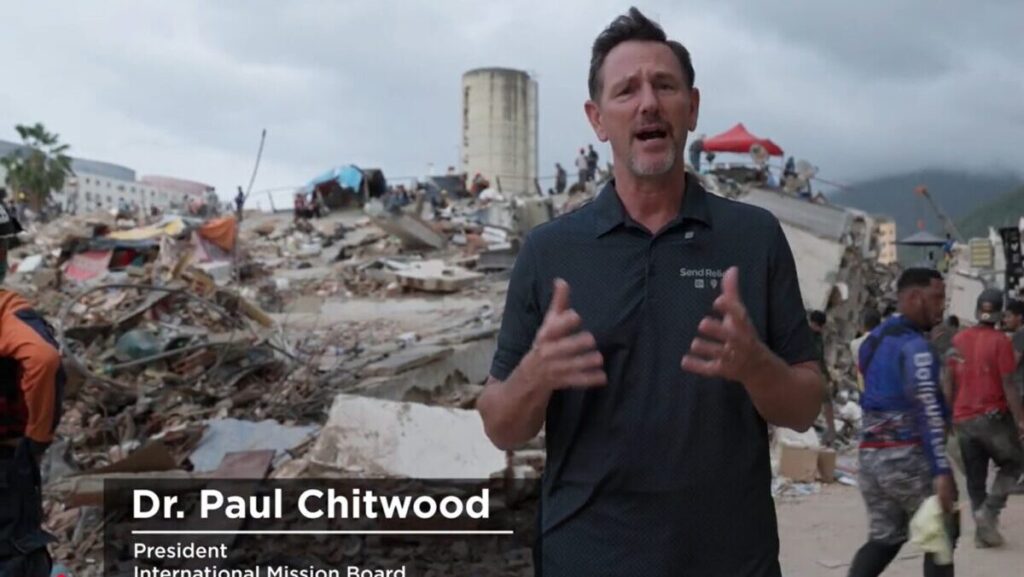
Weekend highlights: Venezuela earthquakes response resource; soccer changing lives across globe; BWA approves resolutions on disability, vulnerability
Grab a cup of coffee, and check out these recent headlines reported by The Baptist Paper.
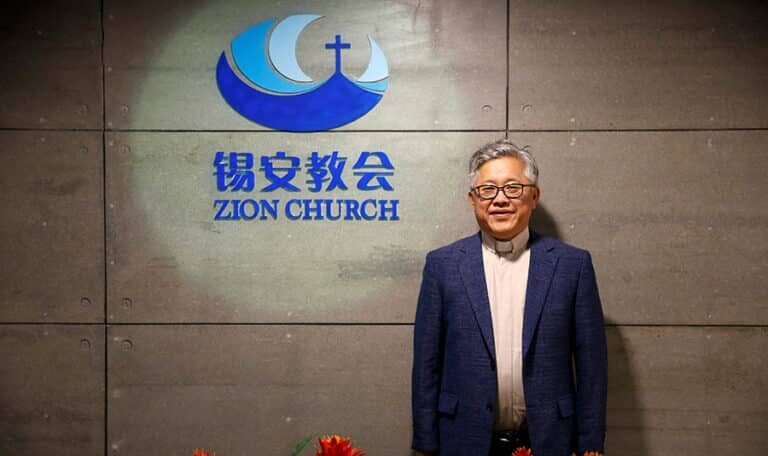
ICYMI: Nine church members freed on bail; nine others face prosecution
After nine months of detention, nine members of a church in China were released on bail June 18, while charges against nine of its leaders were upgraded to more serious offenses.

Lass Words: Two questions that can change your life
“I have two questions for you. Just two simple questions with clear answers, and those answers should take you to an inescapable conclusion. A conclusion that can, and should, change your life,” shares TAB columnist Ken Lass.
Share with others: