
Ed Stetzer, director of the Nehemiah Project church-planting center at Southern Baptist Theological Seminary in Louisville, Ky., has compiled 10 rules for successful postmodern churches and worship services:
1. Be unashamedly spiritual. “Many postmoderns are open to the spiritual,” Stetzer said. “People are tired of the modern belief that everything can be answered by science and reason. They are open to something mystical and spiritual.”
2. Promote incarnational ministry. “Authenticity is essential,” he said, “Postmoderns are looking for persons who are genuine and transparent.” Too often, postmoderns feel they’re meeting an alien culture when they encounter evangelical Christianity, he added. “It is not the job of the unchurched postmodern to enter our culture. It is our job to invade theirs (become incarnate) with the unchanging truth of the gospel.”
3. Worship experientially. Stetzer pointed out that authenticity is valued above technique in churches reaching postmoderns. “A dynamic worshiping community becomes a powerful apologetic to a generation open to the spiritual but not knowing how to connect with the Spirit. Postmoderns want to experience God, not just see a show about Him.”
4. Preach narrative expository messages. “Jesus frequently used narratives or stories in His preaching, and often the story was the point,” Stetzer said. “Preaching biblical stories connects to a culture that sees stories as a source of truth.”
5. Appreciate and participate in ancient patterns. “Postmodern leaders are spellbound by the ancient-future faith of the past,” he said. “There is a new interest in ancient things: Gregorian chants, Celtic Christianity, ancient art, etc. The church can embrace those that promote biblical truth.”
6. Experience visual worship. Paintings, banners, candles and other imagery can help share the gospel message, he said. “In the postmodern age, truth can be expressed in images illuminating biblical truth.”
7. Engage in service. Churches can connect with postmodern Americans by offering them an outlet for their passion to serve, Stetzer said. “Genuine faith always expresses itself in ministry,” he added. “As postmoderns see that faith produces service, the validity of the faith is proved. A wonderful outlet for this is to engage postmoderns in missions work.”
8. Connect with technology. “Technology is no longer an option in postmodern culture. It is part of the culture,” he said. Churches trying to reach postmoderns not only will use technology in worship, but they also will promote community through that technology, such as the Internet.
9. Live community. “Community is a central value in most effective churches reaching postmoderns,” he said. “This is good news for the church; community is central to its mission. With a culture eager for genuine community, the church of Christ can offer community with people and with God.”
10. Promote team-based leadership. Leadership in the postmodern context tends to be dramatically different than it was in other models, Stetzer said.
“In the modern context, the leader was penalized for transparency.
Leaders who shared their struggles frequently regretted it later as it became an example in future arguments,” he said. “In the postmodern era, struggle is more valued.” (ABP)

Carey Baptist Association opens new thrift store
Carey Baptist Association is blessing the community through a new thrift store at 82030 Highway 9, Ashland.

Birmingham after-school program making a difference in the lives of children
Discovery Clubs, an after-school program in 23 schools in the Birmingham Metro area, is all about sharing the redemptive story of Scripture with children who might have no other exposure to the gospel.
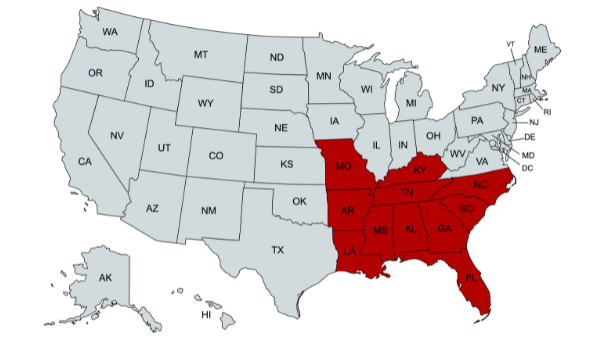
Headline news from around the Southeast for September 30
Arkansas Seeking a creative way to engage with students at the start of the academic year, Mark Parsley, student pastor
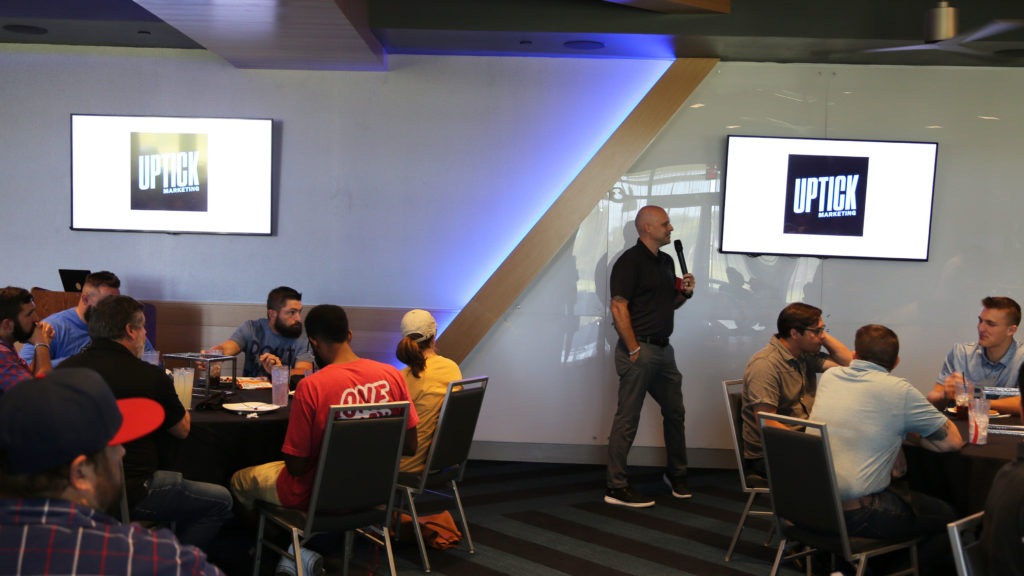
First Priority of Alabama seeing students ‘hungry’ for fellowship, spiritual answers
Supporters of First Priority of Alabama joined together for the Topgolf challenge Sept. 9 in Birmingham. The lunch event drew
Share with others: