
Fewer than one in eight senior pastors in the United States identify themselves as leaders, creating a leadership void in many of the nation’s congregations, according to researcher George Barna.
Barna’s research also has shown that fewer than 10 percent of all U.S. senior pastors can articulate God’s vision for the ministry of their church.
“That does not disqualify them from service in church,” he said. “They’re good people. They’re godly people. They are called to ministry.”
Barna said lay-leadership teams can fill leadership voids in such congregations.
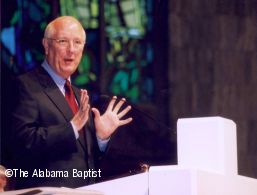
Too many churches expect to find leadership from a position instead of from someone who feels called to lead, Barna told church leaders at a recent conference in Kentucky.
“The church is looking for leaders in all the wrong places,” he said. “God has brought us the leaders. They’re sitting in the pews.”
Team-based leadership can include a pastor who feels called to lead, he said, or it can free a pastor for ministry and involve more people to use their God-given gifts.
The good news, he added, is that churches can transition from one leader going it alone to a team-based leadership approach.
Of the several dozen churches that had team-based leadership Barna said his research group had studied, “only one or two actually started out as team-based churches.”
Tips for shifting to a team-based approach include:
–Making sure the pastor supports it. Churches that pursued a team-based strategy without their pastors’ support ultimately split, he noted. “If the senior pastor doesn’t support it, you’re not ready for it yet.”
–Crafting a clear and comprehensive transition plan. Leadership takes place at two levels, Barna said: overall leadership for a church and individual leadership of specific ministries.
One plan could organize a “macro-level” team that assisted and served “micro-level” leadership teams for such ministries as worship, evangelism, discipleship, stewardship, service and fellowship.
–Starting with one team for a specific ministry before switching the entire church over. “Let them fly under the radar screen as long as possible,” Barna advised, encouraging churches to start with a team and ministry that is likely to make the switch successfully. One team can learn the challenges, work out the bugs and counsel future teams, he said.
–Teaching the congregation why team-based leadership change is best. Many will be indifferent, he noted. “They don’t care if it’s 14 monkeys up here on tricycles for leadership as long as their needs are being met.” But teaching the congregation about the change will educate future leaders about the church’s direction.
–Identifying and recruiting people who have strong leadership potential and openness to operating in a team environment. (ABP)


Share with others: