
Indian gambling is a multibillion dollar business in America.
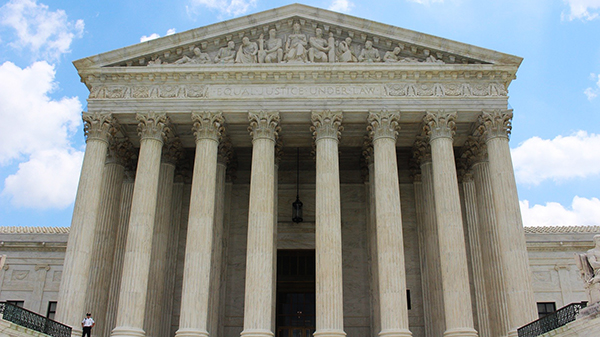
Reports show this industry began being regulated in 1987 when the U.S. Supreme Court ruled in a California case that American Indians could offer any form of gambling allowed anywhere in a state without state regulation.
According to a 1997 USA Today article, “What this meant, in effect, was that if a state allowed volunteer fire departments to conduct occasional low-stakes Las Vegas nights, then an Indian tribe in that state could sponsor 24-hour, high-stakes casino gambling.”
One year after the Supreme Court’s ruling, Congress enacted the Indian Gaming Regulatory Act (IGRA) to allow “the operation of gaming by Indian tribes as a means of promoting tribal economic development, self-sufficiency and strong tribal governments.” The law established regulations for Indian gambling operations “to shield [them] from organized crime and other corrupting influences, to ensure that the Indian tribe is the primary beneficiary of the gaming operation and to assure that gaming is conducted fairly and honestly by both the operator and players.”
IGRA also established the National Indian Gaming Commission (NIGC) to oversee the regulations established by IGRA.
Yet in states like Alabama where bingo gambling is allowed, individual tribes are “the primary regulators” of their Class II games, which include the machines being called electronic bingo in Alabama. Such practices have been frowned upon in other Alabama casinos operating slot machine-style gambling devices because of the large amount of money made by the casinos each month.


Share with others: