
Mike McLemore, past president of the Alabama Baptist State Convention (ABSC), said the health of the state convention depends on Alabama Baptists working together at the local church level.
“If we are going to continue to work together as Baptists in this state and in our convention, we must have harmonious relationships at the local church level,” McLemore told new trustees for ABSC entities.
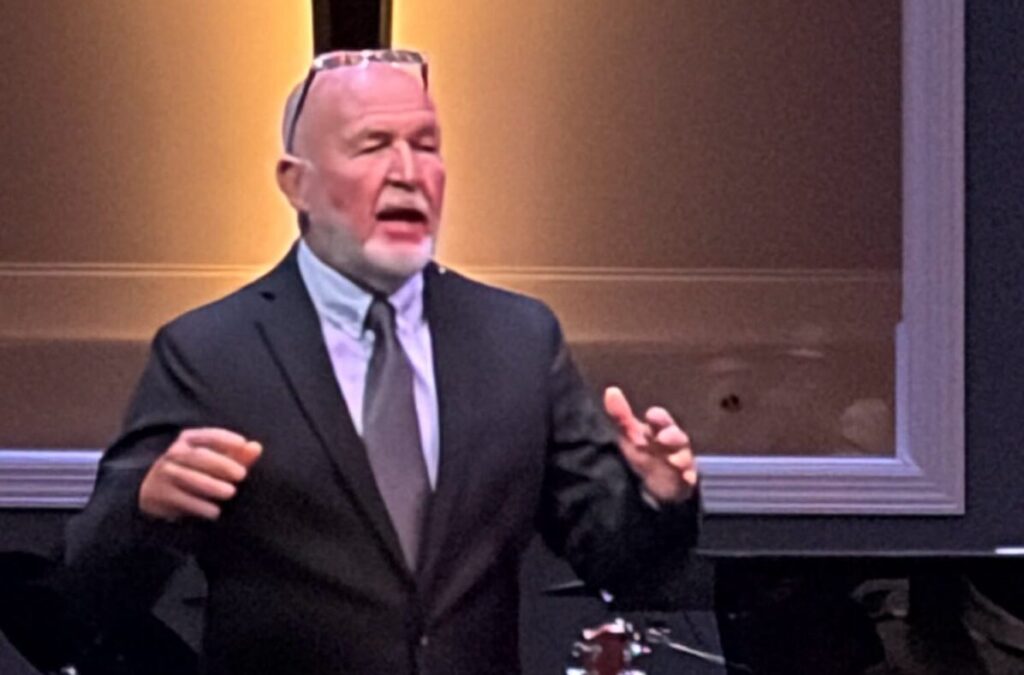
Speaking Jan. 9 at the trustee orientation at Shocco Springs Baptist Conference Center, McLemore said, “When issues come to the convention we must make sure we bring with us a healthy acceptance for differing opinions. You can be a good listener to opposing opinions without accepting them.”
“A healthy attitude (also) must be displayed by church leaders,” he added.
Lauding the ABSC for maintaining healthy relationships within the convention, McLemore developed his point by explaining the meeting of the Jerusalem Council as recorded in Acts 15.
He said the atmosphere they created is a model seen in the ABSC entities, associations and churches.
“What took place at that council meeting was a healthy thing — they got their theology straight in that meeting and they left with a better understanding of the grace of God,” he said.
The church members, elders and apostles comprising the council engaged a “hot potato” issue within a “healthy atmosphere for dialogue,” said McLemore, pastor of Lakeside Baptist Church, Birmingham. The council heard a missionary report from Paul and Barnabas on how the Gentiles received the gospel by grace alone.
The focal point of the council meeting was whether Gentiles should be required to have the Jewish ritual of circumcision in order to be saved — a point debated by the Pharisees on one side and notable people such as Paul, Barnabas and Peter on the other.
Amid this environment of strongly differing opinions the Jerusalem Council attendees exercised a cooperative process of hearing both sides, then reached a unified decision.
But before the decision, the Pharisees had the opportunity to state their case, and Paul, Barnabas and Peter stated theirs.
“The whole assembly became silent as they listened to Barnabas and Paul telling about the miraculous signs and wonders God had done among the Gentiles through them” (Acts 15:12).
Peter shared a particular experience to make his point, McLemore explained.
“They listened to Peter because he had become a well-respected statesman in the early church,” McLemore said. “He shared how the Lord sent him to the Gentiles — specifically to Cornelius, a Gentile. He told how his prejudices against Gentiles had to be broken down for him to be a messenger of the gospel of Jesus Christ. He could say to the Pharisees that he knew how they felt, because he used to be one of them. I’m sure this must have gotten their attention.
“Ultimately, the Jerusalem Council unified and issued a letter to the Gentile churches instructing them to refrain from eating meat offered to idols and to let them know that circumcision was not required for them to come under the Mosaic covenant to be saved,” he said.
Baptists still meet to discuss how to spread the “by grace alone” gospel, McLemore said.
And whether they gather as a council, convention or committee, the lessons of Scripture hold truths Christian leaders can benefit from today.


Share with others: