

If you heard the story of Horus, would it wreck your faith in Jesus Christ?
If you were told that Horus was born Dec. 25 of a virgin, heralded by a star in the east, adorned by three kings, baptized at 30, performed miracles, was crucified and resurrected three days later — all 3,000 years before Christ?
Or what about Dionysus, a miracle worker said to be born of a virgin Dec. 25 and called “King of Kings” — 500 years before Christ?
Or Mithras? Or Osiris? Both of them have similarities in the stories told about them. Does that change the way you look at Jesus?
“At some point, you’re likely going to come across the argument that maybe Jesus’ story was just ripped off from a lot of pagan myths,” said Mary Jo Sharp, a former atheist who holds a master’s degree in Christian apologetics and teaches at Houston Baptist University. “It’s very popular,” she said, noting that people propagated these stories on “The View” and on BBC, among other places.
Sharp said she’s talked with people who watched “Zeitgeist: The Movie,” a film that aims to undercut religion with pagan myth stories, and said, “It really blew up my faith.”
How should we react to the stories themselves and to the people who tell them?
First get the whole story, Sharp said.
“Read the stories online and see the difference,” she said, noting some were available at http://classics.mit.edu or by Googling “Egyptian Book of the Dead.”
One of the noticeable differences, she said, is that the myths never seek to establish historical details or a specific time and date. But Luke, for example, writes in his Gospel that he wants to record a reliable history with eyewitnesses to the life of Jesus Christ.
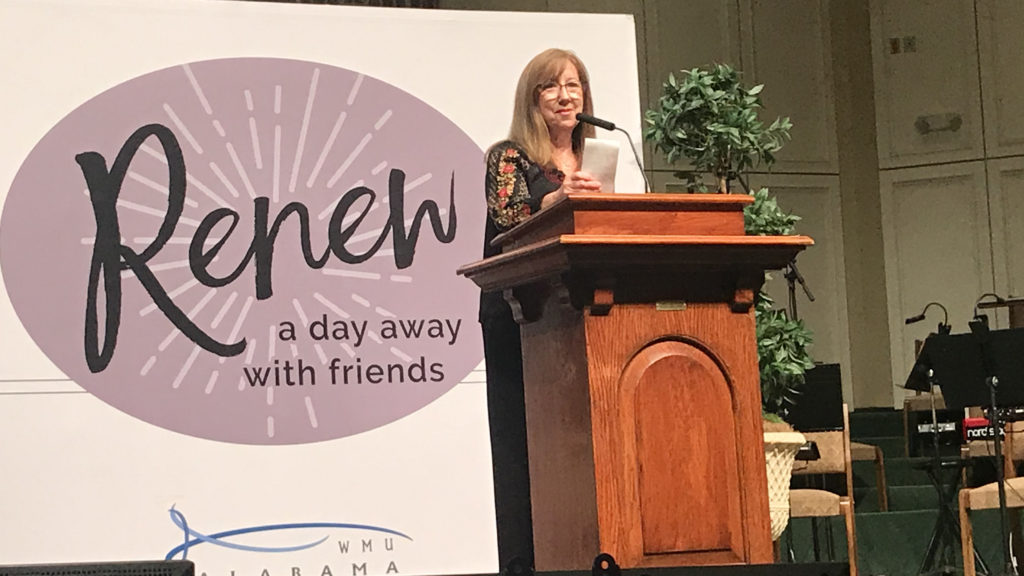
Second take the parallels head to head, Sharp said. As she spoke to those gathered at SALT on Jan. 19, she compared each point of each myth to the story of Jesus.
For instance, with the so-called virgin birth similarity, the “virgin birth” of Horus was written to be the result of a god and goddess having intercourse in his mother’s womb.
Mithras’ “virgin birth” allegedly consisted of him being born out of a rock on the banks of a river.
“These look a lot different from Jesus’ story, who was born as a baby to a human female who never had sexual intercourse,” Sharp said.
As for the crucifixion, Horus actually was said to have sacrificed an eye instead of dying, and Osiris was said to have been shut in a coffin by his brother, Sharp said.
“None of these were like the human Jesus enduring a Roman crucifixion on a cross,” she said.
And none were resurrected as Jesus was — some were allegedly pieced back together or revived in the land of the dead, Sharp said.
Believers also should consider how the stories are vastly different in purpose, Sharp said. “They (at the time of the pagan myths) often thought the solution to human problems was something they could do.”
Christians realize that the solution for the human problem is something — Someone — found outside of ourselves, she said.
“If the resurrection didn’t happen … if it’s not true, then there is no forgiveness. We are stuck in our sin,” Sharp said. Jesus’ story, she said, is the only one that offers hope.
For more information, visit maryjosharp.com.



Share with others: