
According to Frank Holden, executive director of the Alabama Assisted Living Association of Alabama, today’s modern assisted living facilities have brought care of the elderly a long way.
Today, there are 327 licensed assisted care facilities in Alabama that are divided into two categories — assisted living and specialty-care Alzheimer’s facilities.
There are stricter rules and regulations for facilities that wish to be licensed for care of Alzheimer’s patients. These facilities must first be certified by the state in caring for dementia patients. Issues that must be met deal with staff and patient ratio, meeting certain levels of patient activities, qualified staff with ongoing training, having magnetic door locks and monthly patient assessments by a registered nurse.
Currently 25 facilities in the state are licensed as Alzheimer’s care facilities. There are close to 100 who are awaiting licensing and certification.
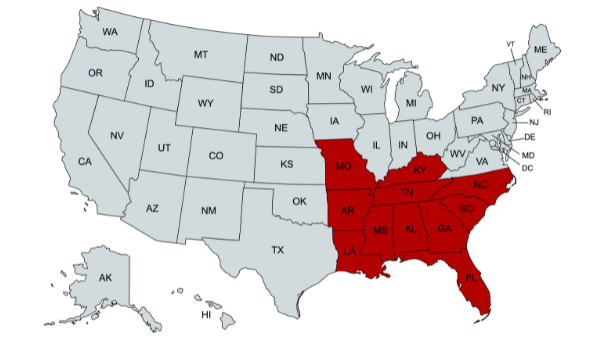
One of the facilities that has recently opened in Birmingham is Ashton Gables which is the only facility in the state and one of only eight in the Southeast that is dedicated to caring solely for patients with Alzheimer’s disease.
Gordon Smith, who is the brain behind the Ashton Gables concept, said he saw a great, unmet need in Alabama for a facility to be only for the unique and challenging needs of the Alzheimer’s patient.
“I saw these types of facilities opening up in other parts of the country but there were none in Alabama,” he said. Smith, who has been a hospital administrator in Birmingham for two decades, decided to first open up an assisted living facility in Birmingham in 2001.
“We opened Lakeview Estates and realized the majority of residents coming to us were in various stages of dementia. We had 18 units that were designated for Alzheimer’s patients but it still wasn’t enough room,” Smith said.
The next phase of his plan was to create a facility that would cater to the challenging needs of Alzheimer’s patients.
Ashton Gables boasts one of only six high-tech alarm systems in North America, according to Smith. “We have purchased the most sophisticated equipment on the market,” he said, mentioning an elaborate motion detector system that immediately notifies a caregiver if the resident’s movements become erratic or out of the norm, especially during the night. “If a resident gets up to go to the bathroom in the middle of the night, our system can monitor the length of time the person is out of bed. If it appears to be beyond the norm, then the caregiver can immediately check on the person,” Smith said.
“This facility is all about allowing our loved ones to keep their dignity no matter what stage of Alzheimer’s they are in,” he said.
In addition to all the safety precautions and preventive technology, aesthetics and facility layout were also key components in the unique design of Ashton Gables. There are cozy sitting areas throughout the 48-unit facility. Depending on the stages of the disease, residents are designated to certain areas of the facility. There are safety precautions that allow for doors to not be accessible and thus prevent any residents from getting lost or disoriented. Each resident’s room has a small “memory box” attached to the outside hall where he or she can place keepsakes, photos or other reminders to help trigger the resident’s memory that this is the right room.
There are several enclosed, outdoor walking and sitting areas where residents can walk or socialize, if they wish.
Smith said that a baby grand player piano is located near the main dining room. “We have residents who can sit down and play hymns and songs from their childhood, but they may not be able to tell you their name or what they just had for lunch. The music brings them such joy and often a crowd of residents will stand around and sing songs from their past.” he said.
“And if they don’t like music, they can always go have an ice cream sundae in our old-fashioned ice-cream parlor,” Smith added.


Share with others: