

More than a third of American clergy members are obese. Shocking?
Historically clergy have been among the healthiest of major professions, with only teachers having lower mortality rates, but recent research shows that clergy’s obesity rate has climbed to 30 percent, according to Pulpit & Pew, a research project on pastoral leadership.
So what are the culprits for this rise in obesity? According to a recent Baylor University study — stress, longer hours, low pay and lack of self-care.
“Pastors are an integral part of the most intimate aspects of community life — marriages, deaths, births — and these often entail food,” said Todd W. Ferguson, lead researcher. “It’s part of the culture.”
“Pastors are ‘on’ or ‘on call’ at all times. The role or identity of a pastor is something you can’t just shut off,” said Ferguson, a former associate Baptist pastor in a Houston church. “And you are in an organization that relies partly — or even fully — on volunteers rather than a paid staff who can leave on a whim.”
Varied denominations
Ferguson and other Baylor researchers analyzed data representative of 539 clergy from varied denominations and religious traditions. They drew upon the Random Sample Leader Survey, part of the U.S. Congregational Life Survey.
Clergy are in a relatively high- status occupation, yet many are compensated poorly compared to other professionals with similar education levels. Pastors may have no other option than to be bivocational. The study showed that 10 percent lead more than one congregation, while 15 percent are employed in a second job of another type.
The stress of an additional job — coupled with the long hours and demands of being a pastor — may make it difficult to have a lifestyle that includes nutritious foods, exercise and time to recover from physiological stress that contributes to weight gain.
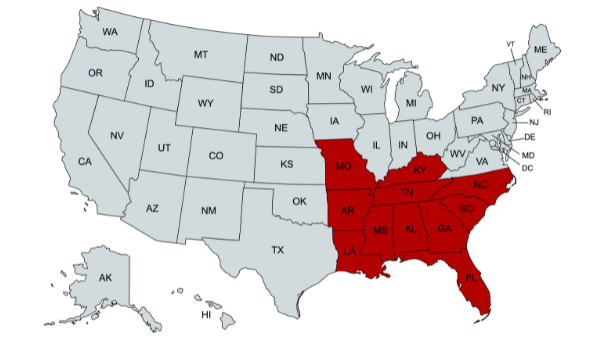
According to thestateofobesity.org, the South and Midwest host the top 10 states with the highest rates of obesity in 2013. Alabama ranks eighth on the list with an adult obesity rate of 32.4 percent of the population, up from 27.7 percent in 2004. Mississippi, West Virginia, Arkansas, Tennessee and Kentucky take the top five ranks. Every state, according to the research, has an adult obesity rate above 20 percent.
With the rise in obesity rates comes the rise in heart disease, arthritis and obesity-related cancers, according to the annual report (formerly known as F as in Fat).
But according to the Baylor study, the profession has some built-in prevention methods that can help clergy be healthier — if they can take advantage of them.
Support groups
Clergy who take a day off each week, take a sabbatical or take part in a support group with other pastors lower their odds of being obese, according to the study titled “Occupational conditions, self-care and obesity among clergy in the United States.”
Researchers used a “distress index,” assessing clergy members’ stress levels by asking how often in the past year, they: had too many demands made on them by congregation members; experienced stress because of dealing with critical congregants; felt lonely and isolated in their work; experienced stress because of the challenges they faced in their congregation; worked more than 46 hours per week.
The study showed that 20 percent of those surveyed had taken a sabbatical in the past 10 years, while 43 percent are involved in a support group that focuses on their personal concerns or struggles.
To help combat stress, overeating and other habits that lead to obesity, StatePoint suggests the following: don’t skip breakfast, eat smart snacks that combine protein and carbohydrates, exercise regularly and seek help from registered dietitian nutritionists.
Taking the time and effort to do self-care is important because the physical affects the spiritual, according to Dale Huff, director of the office of LeaderCare and church administration of the Alabama Baptist State Board of Missions.
“We talk about the different aspects — spiritual, physical, mental, emotional — as if they’re separate components, but you can’t separate them from each other. They flow together,” Huff said in a previous article in The Alabama Baptist.
Often churches don’t actively help their pastor take care of himself, Huff said. And even nice gestures from church members, like providing meals or fellowships, can hurt sometimes — “they can make it hard to help a pastor keep his weight down,” Huff said. (See ‘Healthy balance vital for those in leadership roles’ in the Feb. 28, 2013, issue of The Alabama Baptist).
Rondie Wilks, wife of Bill Wilks who serves as pastor of NorthPark Baptist Church, Trussville, said another way to help combat obesity is to think of it this way — “If God made it, we eat it.”
“Put God-made foods in your God-made body.”
In a clergy-wellness handbook, Pamela Lee Cranston writes, “The healthier and more whole clergy are the more likely … congregations will become healthier too.”
(BNG, ABP, TAB)



Share with others: