
By Gary Hardin
Church offerings are becoming a frequent target for thieves.
In recent years a safe containing church offerings was stolen from a Mobile church. Two armed men robbed offerings from a Montgomery church. Thieves broke into a Shelby County church and stole church offerings.
“Would-be thieves find easy pickings in most churches and it starts with the offering plate,” said Matthew Hirschy, vice president of finance and treasurer at Brotherhood Mutual Insurance Company.
Church financial fraud (including embezzlement and offering theft) is increasing at an annual rate of nearly 6 percent, according to the Center for the Study of Global Christianity.
If this statistic seems alarming, according to GuideStone Financial Resources and Brotherhood Mutual, about 80 percent of all cases of church fraud and offering theft go unreported and, therefore, are not included in the 6 percent.
Coosa County Sheriff Terry Wilson encourages churches to develop a plan for securing church offerings.
“It starts with a plan and then exercising that plan. I encourage churches to give attention to offering security because of the times we live in. This reality should be apparent,” Wilson said.
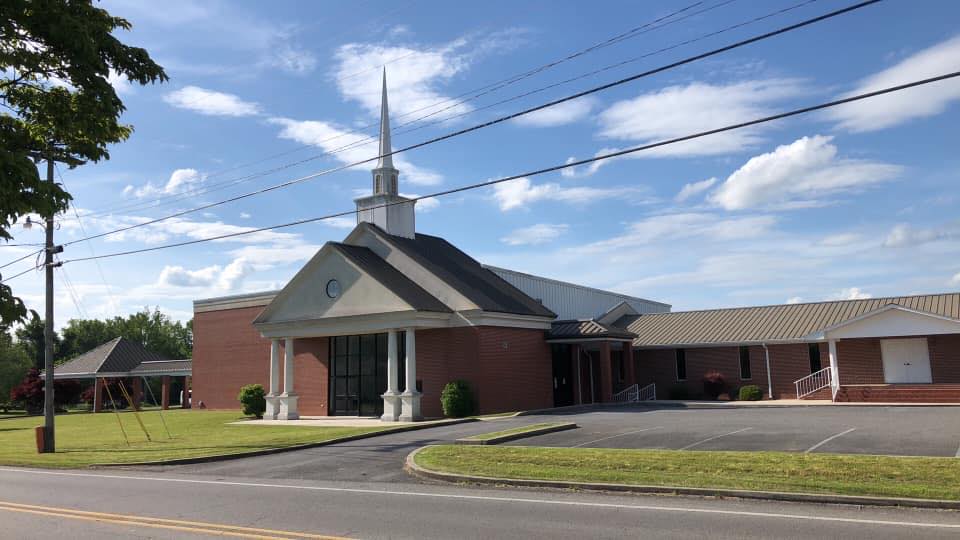
Rockford Baptist Church in Central Baptist Association recognized that it needed a plan for church offering security. Pastor Jeff Fuller led Rockford Baptist to elect an accounting committee that made sure the church has multiple offering counters who rotate their responsibilities.
Overnight deposit
“Our counters count the offering in a room with a closed and locked door,” Fuller said. “The offerings are immediately placed in the overnight deposit box at our bank. The next day the church’s financial secretary reconciles and verifies the deposit.”
When a church incurs financial losses because of theft, church leaders need to identify the holes that allowed the problem to develop in the first place, according to Brock Bell, senior manager of risk control at Brotherhood Mutual.
“The first step in reducing the risk of this happening at your church is to put safety measures in place that can prevent financial crimes from ever being committed,” Bell said.
GuideStone and Brotherhood Mutual advise churches to enlist money counters who are not related by family and who do not work at the same place during the week. Also avoid selecting someone experiencing a financial crisis, they said. The responsibility of counting offerings might expose such a person to temptation.
Jim Swedenburg, director of the office of Cooperative Program and stewardship development at the Alabama Baptist State Board of Missions, agreed with their advice. Swedenburg also added, “While collecting and counting money, never leave cash in the hands of one person until the cash is dropped into the bank overnight deposit box.”
Swedenburg believes no cell phones or handheld devices should be in the counting area. “These devices should be laid face down on a separate table or counter.” He also recommends that each check given be endorsed immediately by money counters using a rubber stamp, “For Deposit Only,” and include the name of the bank, the name of the church and the account number.
Watch for red flags
Hirschy said churches should “watch for three red flags and put checks and balances in place.” The first red flag is that only one person is responsible for all church monies. Second money is counted by only one person. Third there is inadequate supervision of those who count and handle church money.
Arthur Williams, a member of First Baptist Church, Jasper, and an insurance agent with Byars-Wright Inc., said, “Crime coverage should be part of a church’s insurance policy. Crime coverage can cover both employee and church volunteer dishonesty.”
SBOM’s office of LeaderCare and church health offers seminars on church security as resources to church leaders and members. For more information, visit www.alsbom.org.
____________________________________________________
10 essentials for security on church offerings
- Develop financial security policies and procedures for your church.
- Give written copies of these policies and procedures to each person who has access to church funds.
- Perform annual background checks on all persons who have access to church funds.
- Have more than one person present when church offerings are counted and rotate counting teams.
- Always count church offerings behind closed and locked doors.
- Stamp checks “For Deposit Only.”
- Designate a teller to record the money received. Ask another to review and initial the record.
- Deposit offerings immediately.
- Never allow counters or other persons to take church money to their homes.
- Provide insurance coverage that protects the church from financial fraud and theft.
(Sources: GuideStone Financial Resources and Brotherhood Mutual Insurance Company)


Share with others: