
Alabama will be host to four pilot sites of the North American Mission Board’s new Man to Man program.
Richard Alford made this announcement at the Nov. 16 meeting of the Alabama Network of Christian Community Ministers. Alabama will be the pilot state for the program, with sites in Birmingham, Montgomery and in Calhoun and Etowah associations.
Alford, an associate in the office of asssociational/cooperative missions of the Alabama Baptist State Board of Missions, explained that Man to Man is comparable to the Christian Women’s Job Corps (CWJC). CWJC is a national Woman’s Missionary Union program sponsored in many areas across Alabama and the nation.
But where CWJC helps women find work and training for work, Man to Man focuses on the men in the community.
In Birmingham, M-Power will be the pilot sponsor of the program while Community of Hope in Montgomery will be the pilot site there.
The Community of Hope also is growing in other areas, reported Neal Hughes, pastor and executive director of the Community of Hope.
In the three years since Community of Hope began, Hughes said 4,000 people in Montgomery had made professions of faith, with 1,500 baptisms.
The group has also begun a furniture ministry to take in used furniture and deliver it to those who need it, opening up even more opportunities for sharing the gospel.
But Community of Hope’s main focus is beginning cell group churches across the city. Hughes said 26 of Montgomery Association’s 57 churches are involved in 47 cell group sites.
Beginning with a group of 10–15 people, the cell group meets on Sundays for a time of Bible study. Sometimes these cell groups meet together as congregations to worship before the Bible study sessions.
Breaking out from these cell groups are affinity groups, made up of two to three people. These affinity groups provide accountability partners for the cell church members, as well as further Bible study or prayer.
Hughes said the cell church model began as a way to reach those who would never go to church in an established church building.
And as the groups strengthen and grow, the members are beginning to take over the leadership responsibilities.
Hughes added that these churches also reach those that society tends to treat with less respect, like drug addicts, prostitutes and those who are physically or mentally disabled.
“My greatest joy is in investing my life in people and seeing them grow from hopelessness to hope,” Hughes said.
Other community ministers reported on the ministries in their areas, ranging from Christian community development in Montgomery Association to growing opportunities for literacy missions in Morgan and surrounding associations.
Members also received affirmation in their work from Montgomery Association Director of Missions Buddy McGohon. He encouraged them to continue meeting people’s needs on spiritual and emotional levels, not just physical levels.
Calling it the “ministry of reconciliation,” McGohon said, “Reconciliation is not just avoiding the penalty of hell or gaining heaven,” McGohon said. “It’s about bringing God and man back into the harmonious relationship God intended.”
Members also held an impromptu election when President Keith Jenkins stepped down from his post.
Jenkins, director of the Etowah Association (EBA) Mission Center, said he would not be able to serve next year.
Jane Ferguson, first vice president, was asked to fulfill Jenkins’ term as president for 2004, and Rob Peavy, church and community development director for Madison Association, was elected to fill her spot. While Second Vice President Virginia Alexander, director of church and community ministries, Morgan Association, remained on for 2004, Tina Qualls, assistant director, EBA Mission Center, was elected secretary-treasurer.
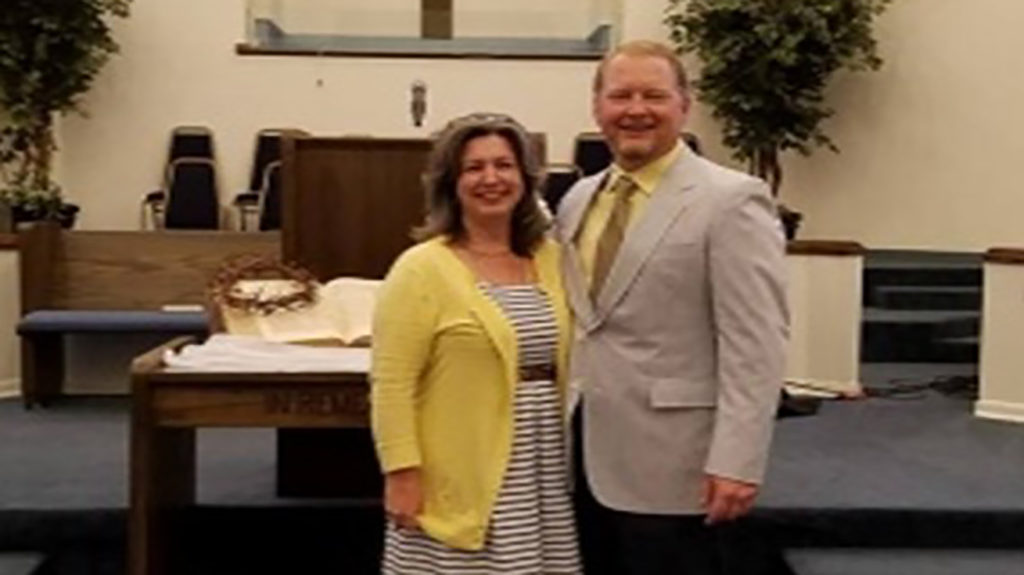
Mount Calvary Baptist Church welcomes new pastor
David McMillen has been called as senior pastor of Mount Calvary Baptist Church, Albertville. He holds a master of arts

Shiloh Baptist Church in Somerville welcomes new youth pastor
Patrick Smith is the new youth pastor at Shiloh Baptist Church, Somerville. He previously served eight years at First Baptist
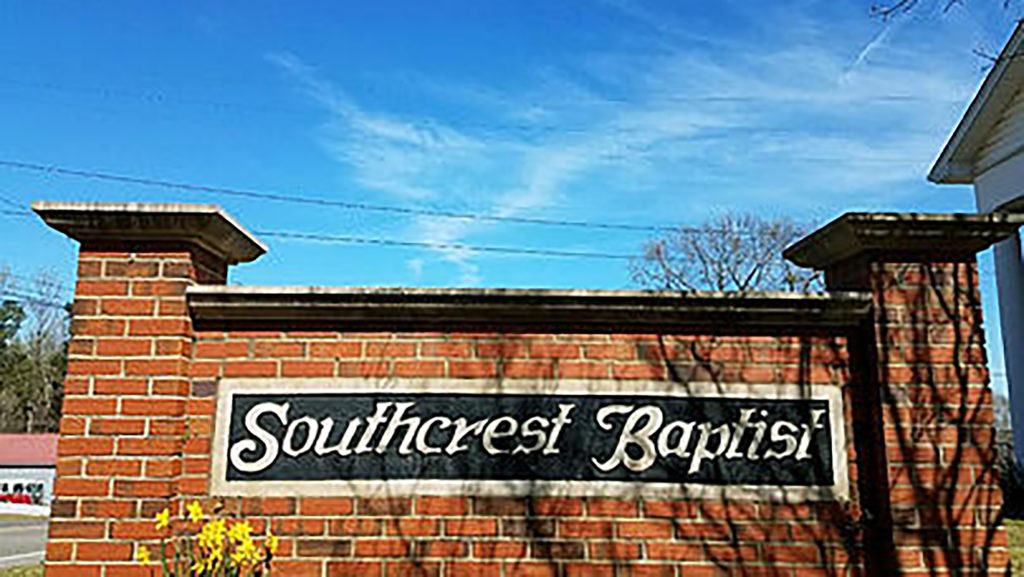
Southcrest Baptist Church in Bessemer hosts Shannon Knight Nov. 5
Southcrest Baptist Church, Bessemer, will host gospel singer Shannon Knight, Nov. 5. The evening begins with dinner at 6 p.m.
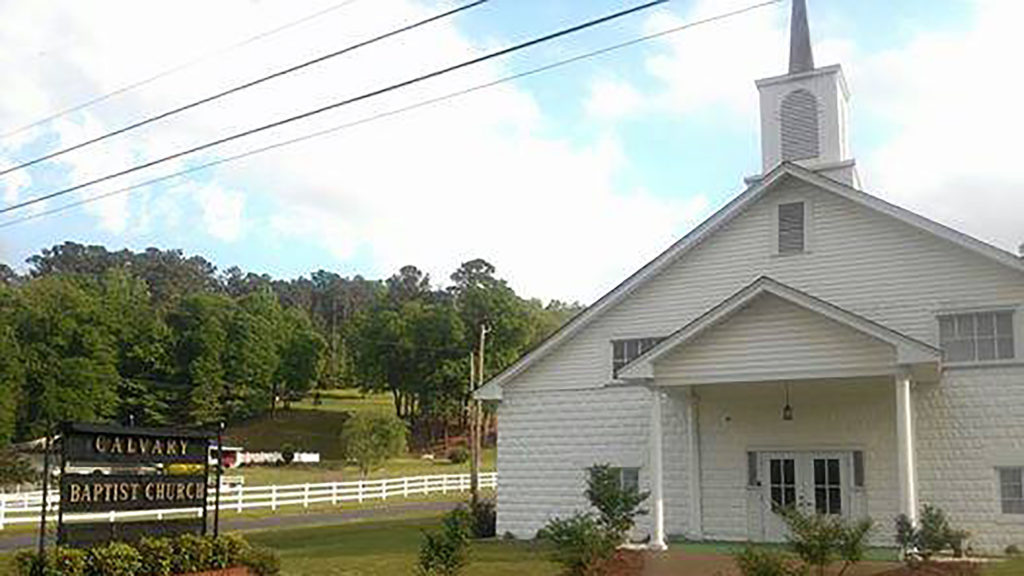
Prattville church hosts Trunk or Treat
Calvary Baptist Church, Prattville, is hosting Trunk or Treat on Oct. 31, 3–6 p.m.
Share with others: