
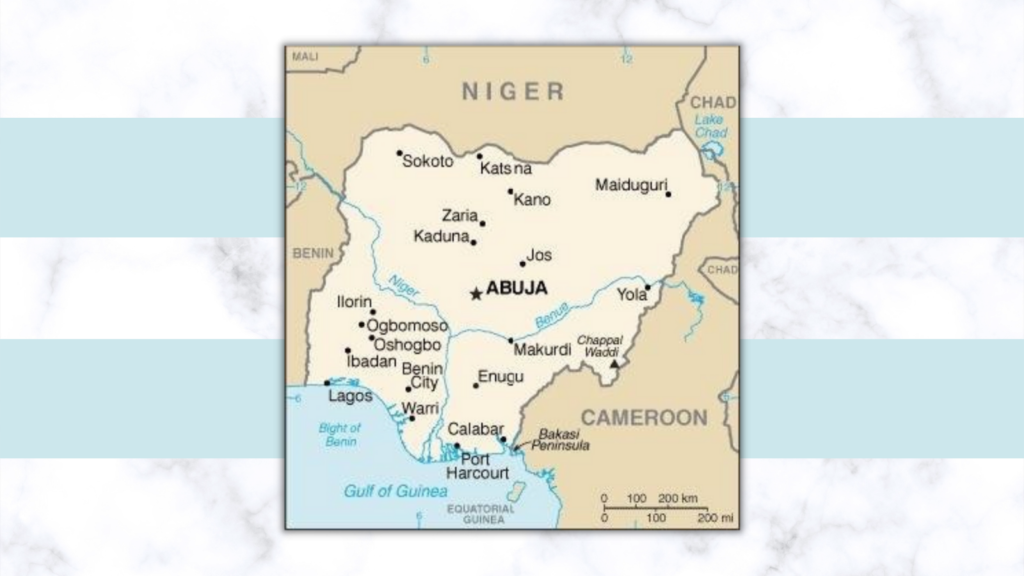
Rows and rows of green plants fill the small plot of land. The location is perfect, right next to a tributary of the Niger River.
The agriculturalists spot the plants from quite a distance away. It isn’t that hard to spot. It’s the only splotch of green in this dry desert area. The two kneel down with the local farmers to see how the new seed crop of Scotch Bonnet Peppers fared.
As the group speaks of the upcoming harvest, James Brown silently prays that the pepper seeds being plan-
ted today will one day result in a spiritual harvest in this Muslim-dominated country.
The missions volunteer/ Christian businessman from Alabama teamed up with International Mission Board (IMB) missionaries to not only bring a new cash crop to Niger but to open new doors for the gospel. Brown uses his international agriculture business, Pedologues, Inc., to plant the seeds of the gospel.
“I’m going to grow peppers somewhere — I’d rather make this endeavor two-fold,” says Brown, who mainly works through missionary contacts in many different countries. “As a businessman, I need to make a profit from the peppers, but most importantly, as a Christian, I need to help fulfill part of the Great Commission.”
On the business side, Brown provides the pepper seeds and most of the pesticides. He also promises to buy all of the peppers produced and exports them back to the United States. The farmers provide the labor and the land.
Brown then sells the exported peppers as a specialty item to more than 340 hot sauce companies. The peppers grown in Niger are a very hot specialty pepper used in many salsa and hot sauce recipes.
IMB missionary Don Bolls says the partnership has opened a lot of doors which were not otherwise open.
“The young people need a way to make a living and the peppers can help out,” he says. “But mainly, this is a tool to bring Christ to these Muslim villages — villages which we normally cannot reach.”
Local contacts
Brown mainly uses local Christian leaders as his contacts with villages. By using these leaders, the missionaries hope to give the Christians a better standing among the heavily Islamic influenced area.
“Something like this gives them a better standing and respect in the community,” Bolls says. “Our Christian leaders now have entry into the villages with an honest job which can benefit everyone.”
In a country such as Niger where the average income is less than $240, a sense of dependency and hopelessness can be found almost anywhere. IMB missionary Mark Ledlow says by helping the people help themselves, doors are going to open to allow spiritual needs to be met.
“The people are seeing that we are here to stay. We are not a project giving something away,” Brown says affirming Ledlow’s theory.
“They see that we conduct business honestly. The farmers will soon get curious about why we care so much about them and want them to succeed on their own. Once they start asking questions and totally trust the missionaries, well, that’s the open door we are praying for.
“It’s going to take quite a bit of time to plant these seeds and cultivate them for a big harvest,” Brown said. “But one day, we are going to see the results among these farmers. It is God’s will that one day there will be a spiritual harvest here.” (BP)
Share with others: