
Most longtime church members probably give little thought to their decision to join their church. It happened a long time ago, and they have forgotten what it even feels like to look for a new church home. But with our society being more mobile than ever before, many people, including unbelievers, will at some point venture into your church for the first time. What will they find?
Nelson Searcy, pastor of The Journey Church just off Times Square in New York, said there are strategies for churches to use in assimilation, the process whereby first-time guests become long-term members. “Everything in your church talks,” he emphasized.
Take a look at your parking lot, your signs and the overall appearance your church presents to someone driving up for the first time. Are there numerous entrances? Where should guests park their car? Where should they go in? Do the children go to another building?
For a church to attract second-time guests, they need to see their building with new eyes. Assimilation is to be intentional. The way churches handle guests cannot be hit and miss. Signs directing guests to a clean, well-stocked restroom are essential. They should also be able to easily find a seat that allows them to see and hear the service.
The designation “guest” is preferred over visitor. Why? When churches have guests it means they have prepared for them, predicted their needs and are there to make their experience positive.
The importance of obtaining contact information from people who visit is important, Searcy said. He insisted that the best way to get this is to ask all worshipers to fill out an attendance card, not just guests. Guests will be much more likely to fill out a card if everyone does it at the same time during the service.
“It’s worth 30 seconds of time in your service,” Searcy said. “You can’t follow up on people you don’t know.”
Morton believes first-time guests need at least two or three personal contacts during the Sunday morning visit, including someone to sit with them during the service. Church members have to be reminded to take time to talk with guests.
“It is a challenge to keep everyone focused on the fact that every one is important to God,“ he said.
Churches that don’t attract new members will decline because all are constantly losing members due to their moving away, changing churches or death, Searcy said. If churches don’t pay attention to the assimilation of guests, then they will not grow; then they decline and some even die, he explained.
Sonya Tucker, an associate in the office of discipleship and family ministries of the Alabama Baptist State Board of Missions, added that “churches need an intentional strategy for assimilation to help people get connected to the body of Christ.”
“According to Thom Rainer (president of LifeWay Christian Resources), 80 percent of new members who do not build relationships, do not get involved in a small group or do not find a place of ministry will drop out during the first year,” she said.

Women’s health trainings help reach unreached in remote villages
In remote villages of the Himalayan mountains, women’s health trainings are opening doors for believers to build relationships and share the gospel.

Southern Christian Writers Conference offers information, encouragement and fellowship
This year’s Southern Christian Writers Conference is set for June 19-20 at The Church at Brook Hills in Birmingham, Alabama, and will feature keynote speakers Charles Ghigna and Cindy Sproles along with numerous workshops.

Weekend headlines: Court rulings, the Ten Commandments and Baptist news
Check out these recent headlines, reported by The Baptist Paper.
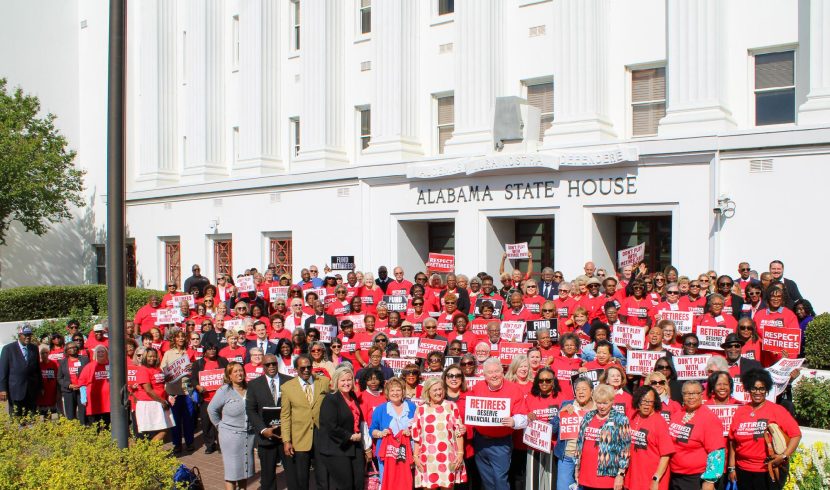
Senate committee passes education budget, bonus for education retirees
The Senate Finance and Taxation Education Committee on Wednesday (April 1) approved the FY27 $12.4 billion Education Trust Fund budget package, adding a one-time bonus for education retirees equal to $1 per month for each year of service.
Share with others: