

Southern Baptists may find cause for hope in the latest Annual Church Profile (ACP) report. The Southern Baptist Convention (SBC) added more churches in 2015, mostly because of church planting efforts. Churches also experienced an increase in total giving.
However, according to the ACP, compiled by LifeWay Christian Resources in cooperation with state conventions, other key measures declined. Those included membership, average worship attendance, baptisms and missions giving.
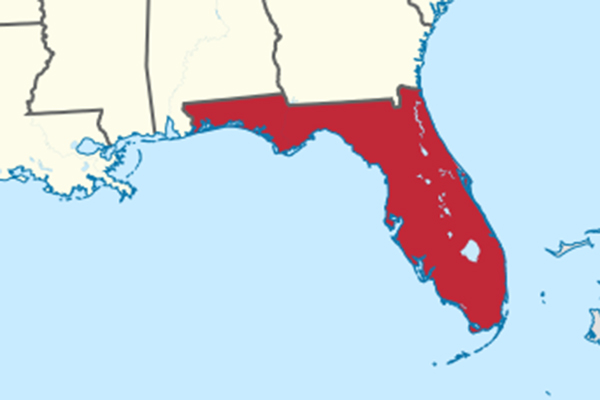
The national trend also rings true in Alabama — more churches but fewer baptisms and members.
A bright spot in the ACP data was the increase in churches. The number of churches affiliated with the SBC grew by 294 to 46,793, a 0.63 percent increase over 2014. This is the 17th year in a row the number of SBC churches has grown.
Membership decline
While the number of SBC-related congregations increased, reported membership declined by more than 200,000, down 1.32 percent to almost 15.3 million members. It’s the ninth year in a row there has been a membership decline. Average weekly worship attendance declined by 1.72 percent to less than 5.6 million worshippers.
While the number of people who affiliate with Baptist churches has decreased, the number of religiously unaffiliated adults has increased by roughly 19 million since 2007, according to Pew Research. In 2015 there were approximately 56 million religiously unaffiliated adults in the United States. This group is larger than either Catholics or mainline Protestants.
Southern Baptists also experienced a decline in baptisms, down 3.3 percent to 295,212. Reported baptisms have fallen eight of the last 10 years. The ratio of baptisms to total members decreased to 1 baptism for every 52 members.
“God help us all. In a world that is desperate for the message of Christ, we continue to be less diligent in sharing the good news,” said Frank Page, SBC Executive Committee president and CEO. “May God forgive us and give us a new passion to reach this world for Christ.”
Meanwhile the Assemblies of God, the world’s largest Pentecostal denomination, is continuing to see increases in the U.S. The latest stats released in early June indicate a 1.4 percent rise in U.S. adherents, from 3,146,741 in 2014 to 3,192,112 in 2015.
Immigration
Hartford Seminary sociologist of religion Scott Thumma said changes in denominational totals are driven by birthrate, retention of children as they reach adulthood and immigration. He said the Assemblies of God are benefiting from immigration much more than the SBC.
Thumma also said some of the drop in interest in SBC churches could be from a growing preference for nondenominational congregations.
“Nondenominational churches have most of the same characteristics in terms of theology and worship style as SBC churches but without the denominational baggage of its reputation or pronouncements,” Thumma said.
According to the recent Pew study, the share of evangelical Protestants who identify with Baptists has decreased from 41 percent in 2007 to 36 percent. This occurred while the percentage identifying with nondenominational churches increased from 13 percent to 19 percent.
However, LifeWay President and CEO Thom S. Rainer said, “The ACP report shows many faithful Southern Baptists continue to worship, share the gospel, give generously and live in community with other believers. We praise God for these efforts every year.
“While a decrease in baptisms is very disappointing, we don’t take for granted 295,000 baptisms,” he said. “We should rejoice with each of those individuals who chose to follow Christ.”
An increase in the number of churches, aided by Southern Baptists’ church planting efforts, also is something to celebrate, Rainer said.
Building momentum
“People underestimate the importance of momentum,” he said. “It only takes a few people in each church being intentional about sharing their faith for some new momentum to build.”
Southern Baptists increased giving in 2015. Total and undesignated church receipts reported through the ACP increased 3.51 percent and 4.64 percent respectively.
Total missions expenditures declined by 2.03 percent, but the report shows four Baptist state conventions — Alabama (for the first time), California, Georgia and Oklahoma — did not ask churches for this data. Great Commission Giving, which represents total giving to denominational causes, was down 3.81 percent to $613 million, with five state conventions — Alabama, Arkansas, Missouri, Oklahoma and Southern Baptists of Texas (for the first time) — not reporting that data.
Giving through Southern Baptists’ Cooperative Program (CP) missions initiative is not included in the ACP annual report. Those totals are more accurately available through Baptist state conventions and the SBC Executive Committee, which processes the missions gifts. CP gifts forwarded from state conventions for SBC causes in fiscal year 2014–15 were 1.39 percent more than the previous year. CP gifts received by the SBC Executive Committee for the first eight months of the 2015–16 year were reported to be 6.13 percent above the year-to-date budgeted projection.
Individual congregations report statistics for the national ACP to their local associations and/or state conventions. National totals are compiled and released after all cooperating state conventions have reported.
(LifeWay, BP, RNS, TAB)
Share with others: