
Every church, whether large or small, looks for that perfect pastor to lead it. A key component of that is matching the leadership style a congregation prefers with that of the pastor.
Styles of leadership tend to be closely tied to church size and whether a church has a full-time or bivocational pastor, said Jim Swedenburg, an associate in the office of LeaderCare/church administration with the Alabama Baptist State Board of Missions (SBOM).
According to Swedenburg, 52 percent of Alabama’s churches have a bivocational pastor, or one that has another job in addition to the pastorate. Ninety percent of those occur in churches with 1 to 150 members, so they are usually in the small to medium-size churches.
“There are some things the bivocational churches have in common,” Swedenburg said. “[They] tend to be more person-centric than program-centric.”
That means although the churches may not have a wide variety of programs and ministries, they do focus on the individual and his/her needs.
“They also tend to be rural,” Swedenburg said. “Seventy percent of bivocational churches are rural, which is 1,200 to 1,300 churches.”
Swedenburg said despite the high number of bivocational churches, an inaccurate perception exists that being a bivocational pastor is not as important a job as being a full-time pastor, and those who do it are not as well trained. “[Bivocational pastors] are critical to churches in Alabama,” he said. “If it weren’t for bivocational pastors, one-half of the churches would have to close tomorrow, because they wouldn’t be able to afford a full-time pastor.”
Churches with bivocational pastors tend to have stronger leadership within the congregation
“Many times the laity are the leaders as far as administration because the pastor is not on the field,” Swedenburg said. This gives the congregation ownership in the decision-making process.
Swedenburg said those congregations also tend to have a key lay leader whom they trust to lead them through that process. “It gives continuity over the years as a way to make administrative decisions when no one is around,” he said. “However, it can be harder for a minister to implement change on his own.”
A pastor-led church tends to have a full-time pastor and 500 or more members. Pastors in this situation have a much easier time implementing change.
Many of these churches also have several full-time staff members, such as associate ministers and secretaries. The bigger staff allows the pastor to narrow his focus to pastoring and pastoral duties.
“[The pastor] can get things done because they [church members] trust him,” Swedenburg said.
He added that having the leadership rest on one person instead of the congregation means that, “If something goes wrong, it tends to go really wrong. If the pastor is out of the will of God, things really crash down.”
Since leadership styles are so distinct, it is important for churches and pastors to have a clear understanding of each other in order to minister together effectively. “It’s like getting married,” Swedenburg said. “You need to know the person you’re engaged to before you tie the knot. It is important for pastors and congregations to know each other and their strengths and weaknesses.

Pray for your pastor
There are so many reasons to pray for your pastor. He stands before crowds large and small who are listening.
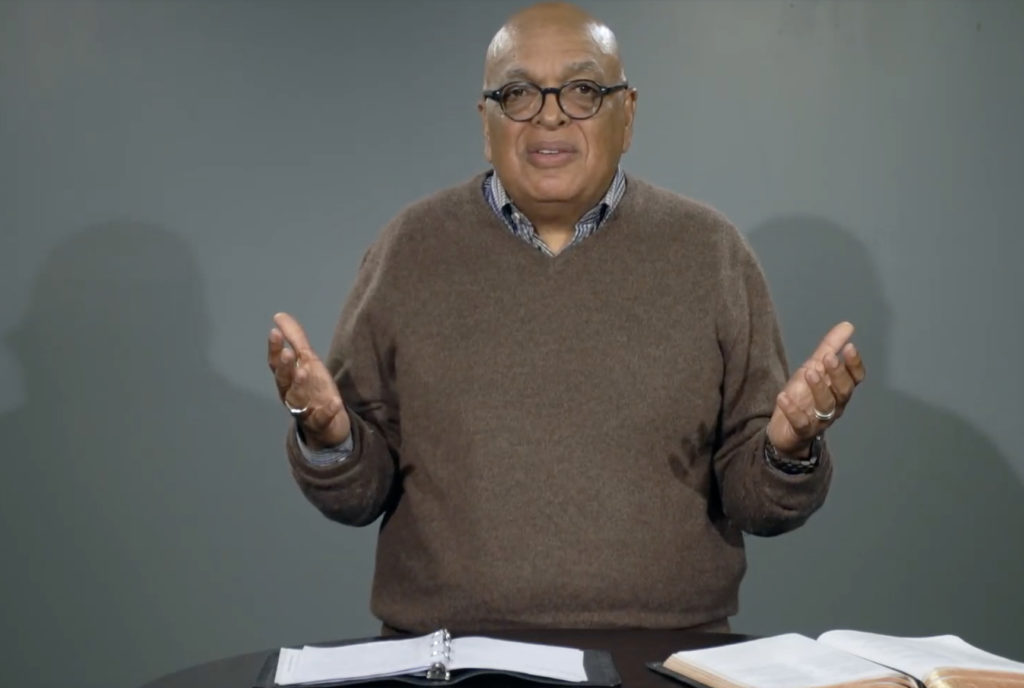
Loritts shares 5 choices pastors should make when they’re discouraged
“Let’s face it — we’re all just one text message away, one email away, one call away from disaster or

Remember Pastor Appreciation Month
There are many ways I’ve been honored by Pastor Appreciation Month, but what really touches my heart is when someone

Is your (financial) house in order?
By Margaret Colson The Alabama Baptist As you look around your financial house, what do you see? Do you see
Share with others: