
A nationwide survey of Protestant clergy reveals that many pastors are dissatisfied with how their churches perform in some important ministry areas. The study, by Ellison Research of Phoenix, polled 567 active Protestant pastors nationwide and found that no area of church performance was considered “excellent” by more than one-third of all pastors, and most were rated “excellent” by fewer than 20 percent of the pastors surveyed.
Pastors ranked church performance on more than a score of areas, giving grades of “excellent (right where we should be),” “good (close to where we should be),” “only fair (needs some work)” or “poor (needs a lot of work).”
The clergy gave their highest rankings to the fulfillment they receive from leading their congregations. However, only 34 percent of respondents ranked their fulfillment as excellent. Another 48 percent ranked their fulfillment as “good,” 15 percent said it was “only fair” and three percent rated it “poor.”
Personal job fulfillment among pastors of small churches (fewer than 100 parishioners) was particularly low, with just 28 percent of those pastors rating fulfillment as excellent (compared to 41 percent in churches of 100 or more adult parishioners). About half of all Protestant churches in the United States have fewer than 100 attendees.
The survey found that as clergy grow older, their sense of fulfillment increases. While only 28 percent of the youngest pastors rated their fulfillment as excellent, 34 percent of clergy aged 45 to 59 ranked it as excellent, and 41 percent of ministers older than 59 ranked their fulfillment as excellent.
A little more than one-fifth of the pastors rated the quality of their Sunday services as excellent, while some 60 percent said they were good. The older the minister and the larger the church, the more satisfied the pastor seemed to be with the quality of their worship services. Geographically, pastors from churches in the Midwest were the most likely to rate their worship services highly, while pastors of churches in the South tended to be the most critical.
Twenty-one percent rated their church facilities as excellent, 49 percent as good, 24 percent as only fair, and seven percent as poor. In general, pastors of small churches tended to be as satisfied with their church buildings as were pastors of larger congregations. Methodist clergy were particularly critical of the facilities of their churches, with only 10 percent rating facilities as excellent.
In other key areas, churches received mixed ratings. Only 15 percent of pastors rated the quality of the relationships their churches have with other local churches as excellent.
Thirteen percent of pastors ranked their children’s programs and activities (geared for elementary school and younger) as excellent (38 percent rated them as good, 37 percent as fair, and 12 percent as poor).
Differences in ranking for this category were relative to the size of the church. While 30 percent of pastors from churches of 200 or more adults rated their children’s programs as excellent, only 14 percent of pastors in churches of between 100 and 200 adults ranked such programs as excellent.
Budget seemed to be a major factor in how clergy ranked their churches. Only 12 percent of all pastors ranked the budget they have to work with as excellent. Another 42 percent called their church budgets good.
But 34 percent ranked their budgets as only fair, and 12 percent called their budgets poor. Lutheran clergy gave the gloomiest portrayal of their church budgets, with only five percent ranking them as excellent.
Few of the pastors surveyed were satisfied with the impact their churches are having on their congregations. Only 10 percent rated the level of spiritual growth shown by their congregations over the last year as excellent. Another 50 percent ranked such growth as good, 34 percent said it was only fair, and six percent ranked it as poor.
Once again, pastors of larger congregations were more likely to be satisfied with the spiritual growth of their congregations, with 69 percent rating it as good or excellent.
Most clergy reflected fundamental dissatisfaction over church attendance.
Only two percent said it was excellent in their churches, while 21 percent rated it as good. Over half of the pastors said attendance at their churches was only fair, and nearly one-quarter felt that it was poor.
Predictably, ratings varied relative to the size of the churches. Among churches with fewer than 100 adults attending regularly, 34 percent of pastors ranked church attendance as poor. Among midsized churches, the poor ranking fell to 15 percent, and among larger churches, only nine percent of the pastors gave a poor ranking on attendance.
Nonetheless, among churches with 200 or more adult parishioners, fewer than half the clergy surveyed gave excellent or good ratings to regular attendance in their churches.
Ron Sellers, who directed the study, said it helps to highlight the challenges pastors face.
“Other studies have shown that being the pastor of a church is often a job with high stress, long hours, high expectations, low pay and poor benefits,” he noted.
“Now throw on top of all of those issues the fact that most pastors are not satisfied with their churches’ performance in many areas, and it’s easy to see some of the difficulties ministers face.” (EP)

Pray for your pastor
There are so many reasons to pray for your pastor. He stands before crowds large and small who are listening.
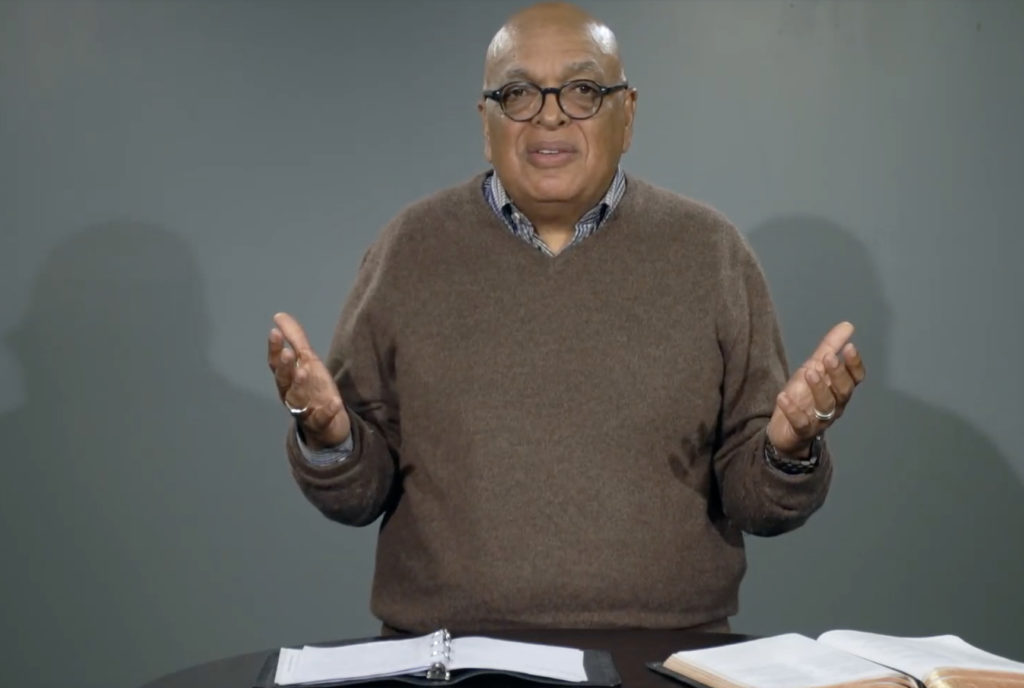
Loritts shares 5 choices pastors should make when they’re discouraged
“Let’s face it — we’re all just one text message away, one email away, one call away from disaster or

Remember Pastor Appreciation Month
There are many ways I’ve been honored by Pastor Appreciation Month, but what really touches my heart is when someone

Is your (financial) house in order?
By Margaret Colson The Alabama Baptist As you look around your financial house, what do you see? Do you see
Share with others: