
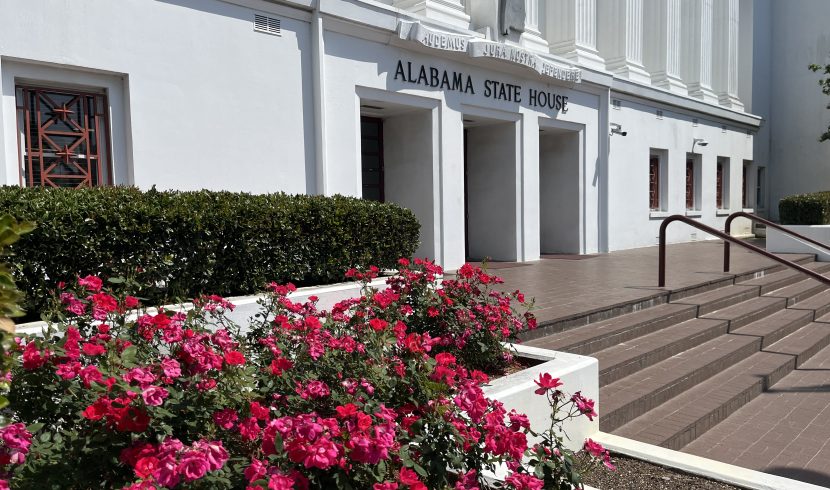
Legislation moving through the Alabama Senate would make it a Class B misdemeanor to illegally park in spots designated for those with disabilities.
Senate Bill 94 sponsor Sen. Tim Melson, R-Florence, said too many people are abusing the placards given to family members or friends.
“It’s time to reel these abusers in,” Melson said in the Senate Judiciary Committee.
Subscribe to The Alabama Baptist today!
SIGN UP for our weekly Highlights emails.
Current law carries a fine and 40 hours of community service for a second offense of unauthorized parking in designated spots.
Fine and jail time?
A Class B misdemeanor, as outlined in a substitute bill approved by the committee, carries a fine of up to $3,000 and six months in jail. There was some discussion in committee about whether a lesser Class C misdemeanor would be a more appropriate punishment. Several senators suggested other changes to the bill that could be made before it gets to the Senate floor. Sen. April Weaver suggested an amendment requiring that when a placard holder dies, his or her family must relinquish it. Others called for color coding the placards so law enforcement can more easily know when they’re expired.
Sen. Lance Bell, R-Riverside, suggested towing the vehicles of people not authorized to use the designated parking spots.
“That will get people’s attention,” he said.
Reckless endangerment
The Senate committee also approved Senate Bill 124 by Sen. Will Barfoot, R-Pike Road, to expand the definition of reckless endangerment to include conduct that creates a substantial risk of serious physical injury to multiple people.
The bill also increases the penalty to a Class B felony if a dangerous or deadly weapon is used. A Class B felony conviction can mean a prison sentence of up to 20 years.
Sen. Greg Albritton, R-Range, said stricter penalties mean more crowding in state prisons. Albritton has pushed for funding in recent years for a new 4,000-bed men’s prison in his district. Because some of the state’s older prisons are scheduled to close, the new facility isn’t expected to improve the crowding issue.
As of September, 21,034 inmates were held in prisons built to hold 12,115 people.
“If we have more felonies, we’re going to be putting more people in (prison),” Albritton said. “We have to have a place to put them.”
Other bills
Other bills were approved by the committee on Wednesday.
Senate Bill 24 by Sen. Linda Coleman-Madison, R-Birmingham, to streamline the process for Alabamians to have their ability to vote restored, as allowed by state law, after a criminal conviction. The bill requires the Alabama Board of Pardons and Paroles and the Alabama Secretary of State to develop and publish on their websites eligibility information and instructions for applying to have voting rights restored. The board would also be required to publish the names of people whose voting rights have been restored.
Sen. Vivian Figures, D-Mobile, thanked Coleman-Madison for sponsoring the bill.
“I truly do believe that once you’ve paid your dues, you should be given all of your rights back,” Figures said.
Senate Bill 140 by Sen. David Sessions, R-Grand Bay, to require juvenile courts to alert K-12 and private schools when a student has been charged with or found responsible for acts that would be criminal if he or she were an adult.
EDITOR’S NOTE — This story was written by Mary Sell and originally published by Alabama Daily News.


Share with others: