
Throughout the spring and summer, as COVID-19 cases declined across the U.S., most churches returned to in-person services with hopes of full pews by the fall. The recent coronavirus upswing has Americans more cautious and church leaders once again looking to adapt.
July marked the first time since January that more adults felt pessimistic about the pandemic than optimistic, according to Gallup.
Confidence that the pandemic was getting better plummeted in July, as more Americans now say the situation is getting worse (45%) than better (40%), according to Gallup.
In June, 89% expressed optimism about the COVID situation and only 8% felt things were getting worse. Now, July marked the first time since January that more adults felt pessimistic about the pandemic than optimistic.
Churches adapt
Alabama churches are adapting as Alabama experiences a record-setting surge in COVID-19 cases and hospitalizations.
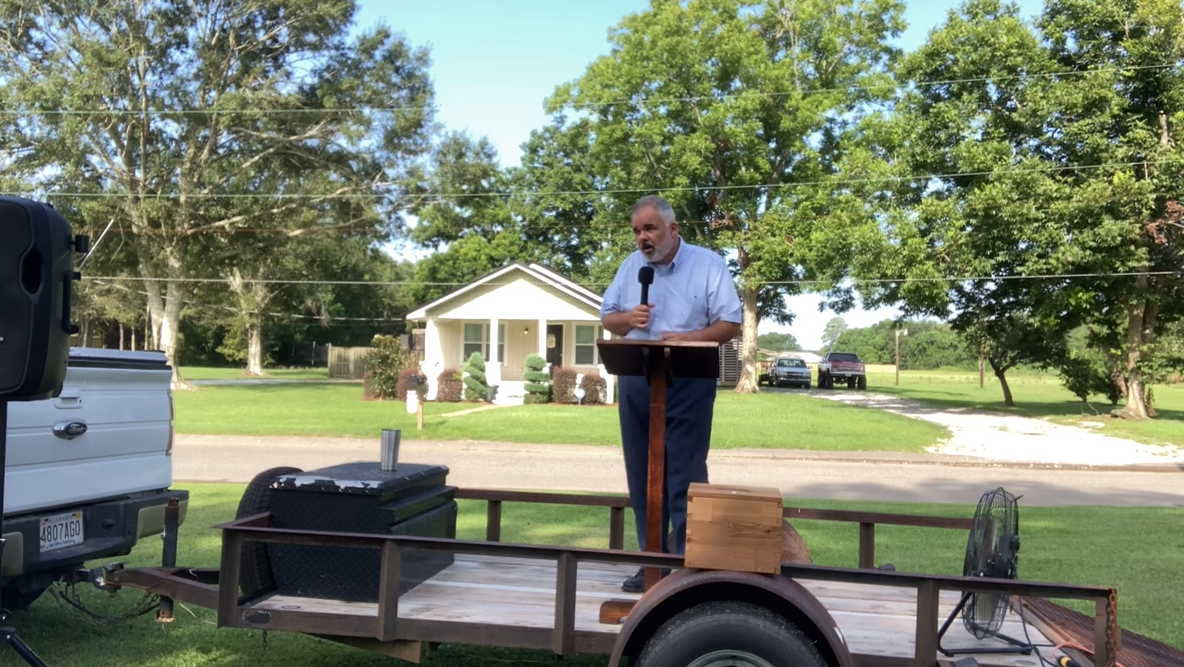
Despite the summer heat, on Aug. 1, First Baptist Church St. Elmo in Mobile County went back to offering a drive-in worship service.
Pastor Jeff Gardner said 10 members of the small congregation contracted COVID-19 in July, which led to the decision.
“Most have had very mild symptoms,” he told TAB Media. “One was hospitalized for more than a week, but they are back at home and improving.”
The church also continues to have an indoor service, but church leaders encourage the wearing of masks, even for the vaccinated, as congregants come inside and take their seats.
In Centreville, Haysop Baptist Church canceled services after the pastor and several members of his family tested positive for COVID-19.
Encouraging congregants
Across the state, church leaders are watching the situation and wrestling with decisions about weekly and special events, all while trying to encourage their church members.
Mark Bethea, pastor of First Baptist Church Montgomery, wrote in a Facebook post that he joined others in being “deeply concerned about the rise of COVID cases and hospitalizations” in Montgomery.
“Our hospitals are crowded; our frontline healthcare workers are stretched thin; and we are all weary from COVID concerns,” he wrote. “My heart continues to be heavy but encouraged by trusting God’s sufficient grace for each day!”
Andy Frazier, pastor of Grace Baptist Church in Sumiton, also acknowledged the stressful times, urging in a Facebook post, “Let’s commit to pray more and complain less. Let’s offer help where we can, instead of finger pointing and ranting. Be patient with those making decisions. … Pray for those who are sick and at risk. As we all continue to figure this out together, let’s trust in the grace and goodness of Jesus to help us daily.”
According to Gallup, the U.S. public expects the pandemic to stretch to the end of 2021 and possibly beyond. Gallup found 4 in 10 Americans say the level of disruption to travel, school, work and public events will last through the end of the year (41%), while similar numbers say it will go even longer (42%). Few say things will be back to normal in a few more months (12%) or a few weeks (5%).
Those numbers are up dramatically from June when almost as many thought things would be over in a few more weeks (15%) as thought it would stretch into 2022 (17%).
Concern for themselves
And Americans are increasingly worried they will catch COVID-19. Around 3 in 10 (29%) say they are at least somewhat worried they will get the coronavirus, up from 17% last month and at levels last seen in April. July was also the first month the percentage worried they would get COVID grew since October 2020, according to Gallup. Also, worries increased among both vaccinated and unvaccinated Americans, but the vaccinated (33%) are more worried about catching COVID than the unvaccinated (20%).
Americans are more likely now than in June to say people without symptoms should stay home as much as possible to avoid contracting or spreading the disease (41% to 35%), according to Gallup.
In what could be concerning for churches seeking to use the fall season to launch churchwide ministries, Gallup says Americans are more likely now than in June to say the best advice for people without symptoms is to stay home as much as possible to avoid contracting or spreading the disease (41% now, 35% in June).
Most Americans still say the best advice for those who are healthy is to lead their normal lives as much as possible and avoid interruptions to work and business (59%).
But the return to COVID-related pessimism may mean some who have attended in-person church services previously may transition away from in-person services again.
In January 2021, the last month Gallup found Americans more likely to say the pandemic situation was getting worse, 44% of pre-COVID weekly churchgoers said they did not attend any in-person worship services, including 25% who said their church offered such services, according to Lifeway Research.
Looking for connection
Church leaders should continue to look for ways to involve and connect with those who are COVID-cautious. For many that means continuing to offer some form of online worship services. Churches should also investigate the possibility of a strictly online group or some means for those uncomfortable being in-person to participate in small group discipleship.
Americans are now accustomed to COVID-related adjustments, and church leaders must be prepared to change practices based on changing local circumstances, said Aaron Earls of Lifeway Research.
Jamie Aten and Kent Annan of the Humanitarian Disaster Institute at Wheaton College say churches should approach their pandemic recovery and restart like a marathon not a sprint. That may mean being willing to take what seems to be a step back to ensure long-term progress. It also means embracing the unique strengths and giftings of your church and the people who comprise it.
Churches who continue to serve their people and their neighborhood during this extended difficult moment will eventually come out on the other side with a congregation more united around its mission and a community more open to the gospel. (TAB Media contributed)
EDITOR’S NOTE — This article originally appeared at lifewayresearch.com. Click here to read the full article.


Share with others: