
As churches strive to expand their facilities to suit their growing or changing needs, many congregations find that they lack the space necessary to accommodate future additions. Fortunately, building professionals offer several solutions to churches facing these problems.
“Many churches built before the 1950s did not buy enough property for the 21st century because the society was different,” said Gary Swafford, director of church planting and building services at the Alabama Baptist State Board of Missions (SBOM). “But the expectations of our society have changed and our need for additional property has increased.”
The most significant change in our society that demands more property is parking, according to Swafford. The problem usually occurs in older Alabama Baptist churches. “If a church purchased property many years ago, parking was not important at all but now parking is a necessity,” he said.
“You need one parking space for every two people who come to church and the rule of thumb for parking cars is 100 cars per acre. In many cases, churches have to acquire additional property to allow for the growing need for parking spaces.”
Another trend in the state’s churches is indoor fellowship, which often demands separate space for children, youth, senior and community activities.
“These buildings take up more space, and for people coming to the activities that means more parking,” Swafford said.
Once a church sees the need for additional property, they should contact the SBOM for help conducting a space capacity analysis to determine the optimum use of their current square footage.
“It will allow them to determine what the design capacity of the church is according to rules of thumb,” said Swafford. “This is usually accompanied by a three- to five-year growth projection.”
Using the results of this study, church leaders can decide whether they have sufficient property to meet their future growth needs.
When additional space is needed, churches may have to purchase more property. Swafford advises these churches to try to find property adjoining the church, preferably on the same side of the street.
If this is not an option, church leaders can sell the current property to a smaller growing church and relocate to larger property.
According to David Payne of Payne and Associates in Montgomery, “Sometimes that is a win-win situation for both churches because there is still a church planted on that existing corner ministering to that neighborhood and there is a new church being built on the other side of town.”
To maintain the ministry in that area, Payne also recommends starting a mission church.
Another alternative to accommodate increased space needs is to build a multistory facility, he said. “Some churches do that when they are looking to build that last addition and they don’t have much property left or if they only have a small amount of property in the first place.
“Costs are about the same as buying a larger property,” he said.

Pray for your pastor
There are so many reasons to pray for your pastor. He stands before crowds large and small who are listening.
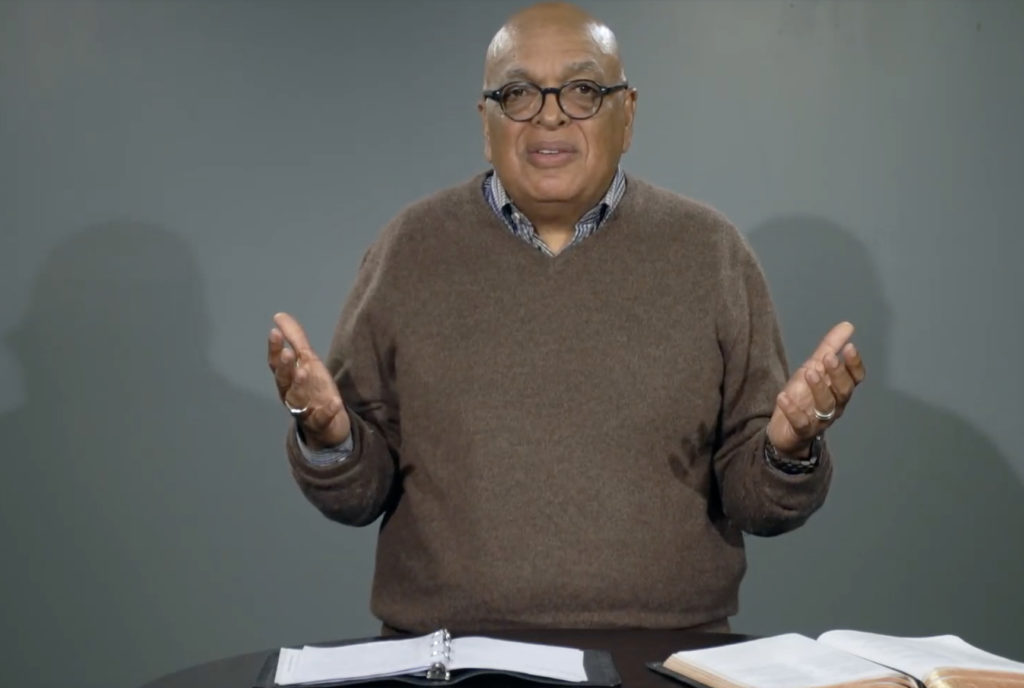
Loritts shares 5 choices pastors should make when they’re discouraged
“Let’s face it — we’re all just one text message away, one email away, one call away from disaster or

Remember Pastor Appreciation Month
There are many ways I’ve been honored by Pastor Appreciation Month, but what really touches my heart is when someone

Is your (financial) house in order?
By Margaret Colson The Alabama Baptist As you look around your financial house, what do you see? Do you see
Share with others: