
Disciple-making is a familiar term in the local church, yet it often carries varied meanings.
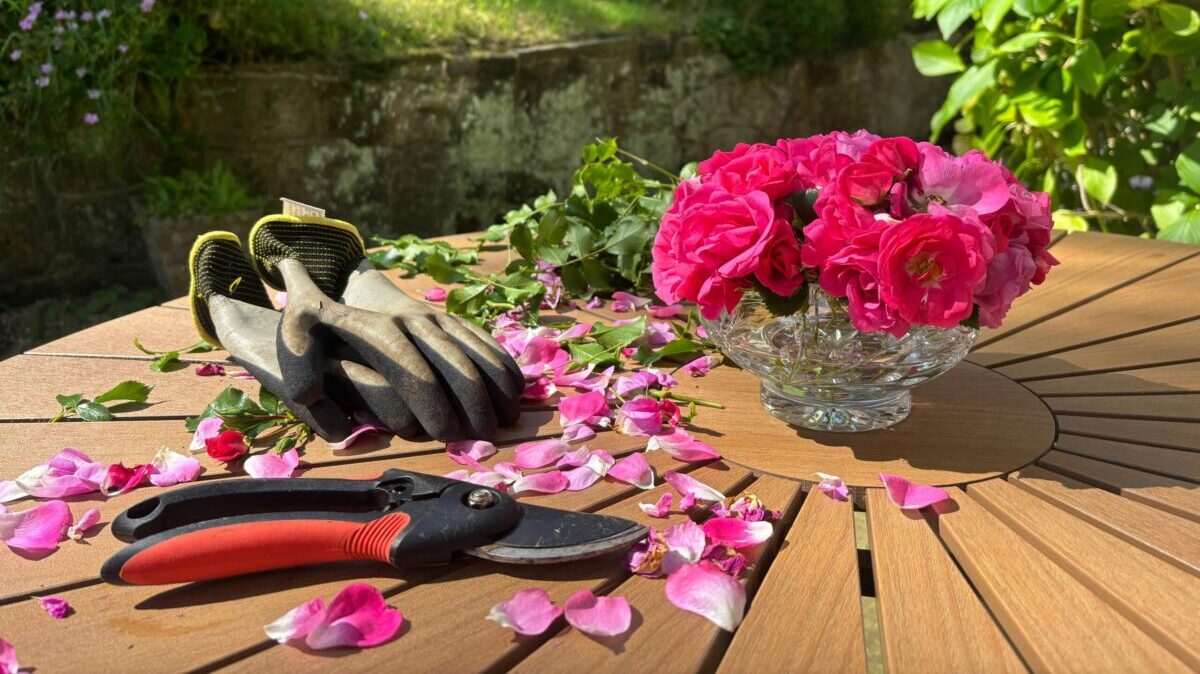
This lack of certainty leads to confusion about how it works in practice. But perhaps we might consider disciple-making like the practice of cutting flowers. Were someone to take a scythe — that long curved blade fitted at an angle — to a row of blooming flowers, would he cut them?

Surely he would, and as a matter of fact, he would cut the flowers far more quickly than if he had cut flower by flower.
The issue is that although a scythe may harvest flowers quickly, its broad sweep can bruise or shatter a flower’s delicate form.
One flower at a time
Understandably, a gardener would not engage in such a practice because he knows that the flower’s beauty is preserved not by speed, but by care — by cutting one flower at a time.
Only through deliberate, individual attention can the flower’s shape and splendor be maintained.
So it is with disciple-making, when pastors and lay members alike seek to make disciples, we must give great care to the delicacy of the souls of others, focusing on the individual as a person, not a project.
By this practice, we allow for others to mature in the faith, “growing up in every way into him who is the head, into Christ” (Ephesians 4:15).
Disciple-making often happens best in close proximity in which a disciple-maker can walk alongside the one being discipled, better understanding their context and unique needs.
So may we lay down the scythe of hurried strategy, and take up the scissors of personal care, tending to souls with the same intentionality and reverence a gardener shows a flower.
EDITOR’S NOTE — This article was written by Luke Long, ministry intern
for the Birmingham Metro Baptist Association.



Share with others: