

Larry Hyche, director of men’s ministry at the Alabama Baptist State Board of Missions, is newly decked with a doctorate in education from New Orleans Baptist Theological Seminary.
He sat down with TAB Media Group’s editor-in-chief Jennifer Rash to discuss the focus of his research — the influence of intergenerational discipling relationships on the emotional and spiritual health of Generation Z adults in Alabama Baptist churches.
Stay updated on stories like this — Get news delivered to your inbox
Gen Z is made up of those currently 14 to 29 years old. They have been called digital natives and dubbed “the loneliest and most anxious generation.”
Technology’s influence
Many point to technology as a factor contributing to high anxiety.
“God has wired us to live in community,” Hyche explained, but the current world has somewhat sabotaged the full scope of community.
He cites the ongoing litigation against Meta (the parent company of Facebook and Instagram), comparing the corporation’s defenses to the tobacco industry’s coverups of decades past. It can no longer be claimed the rise in anxiety and the rise of social media among Gen Zers are unrelated, he said.
“The way they were raised was different than how we were raised,” Hyche said. “So how can we meet in the middle and have some empathy for them?”
Having an extensive background in student ministry, Hyche found that “once [others] understand how we got to this point with Gen Z (rising levels of anxiety and depression), their eyes are opened and they’re like, ‘We’ve got to do something.’”
That “something,” taken from a biblical model, is intergenerational discipling.
“We as Alabama Baptists have this tremendous opportunity with our teenagers and 20-somethings,” Hyche said. “And we’re held responsible for it.”
Gen Z is starving for connection, he noted, reminding older believers “to seize the opportunity God has given us.”
More than 90% of professing Christian college kids Hyche surveyed in 2025 would say “Yes, please,” to an offer of mentorship from an older believer.
His research found that while Gen Z generally doesn’t trust the government, Hollywood or the media, they do tend to trust older adults.
Mentors needed
“They want to hear from you,” Hyche said. They want to ask things like, “‘How did you know this was the career for you?’ ‘How did you know she was the one?’ … You don’t have to be a cultural expert. Matter of fact, they don’t want you to try and understand their culture. It will freak them out.”
Younger generations, he noted, see discipleship as individual relationships and small groups doing life together. Older generations tend to think of discipleship as a class on Sunday night rather than spending time together one-on-one.
“I love the idea that this (younger) generation may actually be the one to help pull us older generations back to a more biblical approach to discipleship,” he said.
When Rash asked about overcoming the hesitancy of older generations to offer guidance to a young believer, and strategies to that end, Hyche answered, “I think we’ve complicated it.”
Starting point
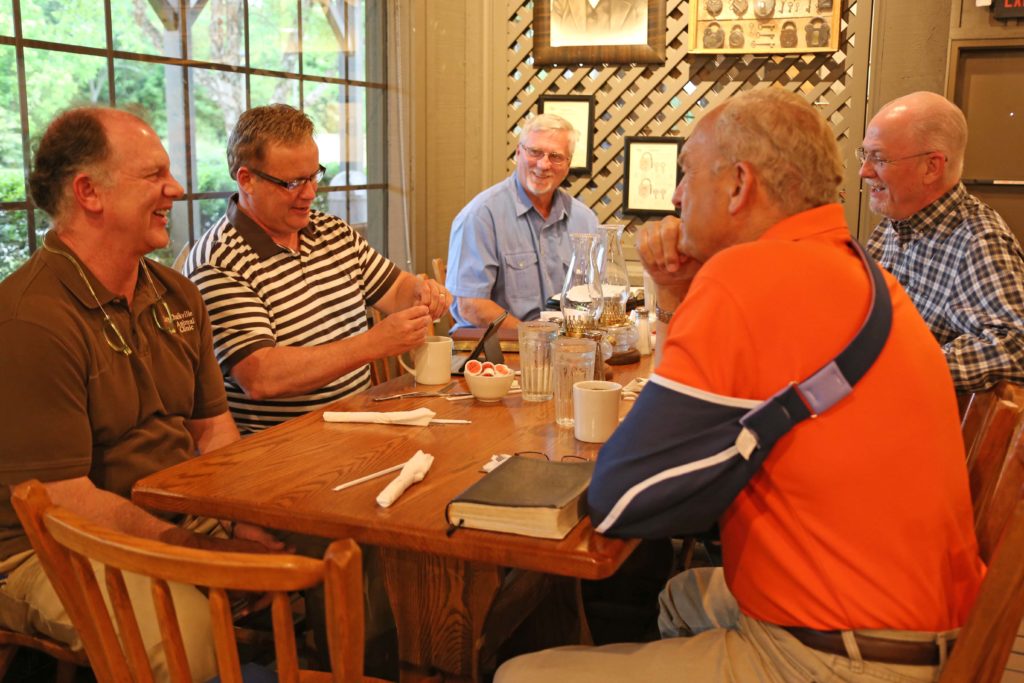
A cup of coffee, intergenerational fellowship meals and non-age-specific missions trips are a good start.
Gen Z’s “goals and dreams actually reflect the same values and dreams of the Baby Boomers,” Hyche said.
He and Rash urge the Baby Boomers, as well as their own Generation X peers, to do something with that information.
Watch the full conversation with Hyche and Rash at youtube.com/tabmediagroup.


Share with others: