
Caregiving is hard, and caregivers need support to continue in this demanding role for days, months and even years.
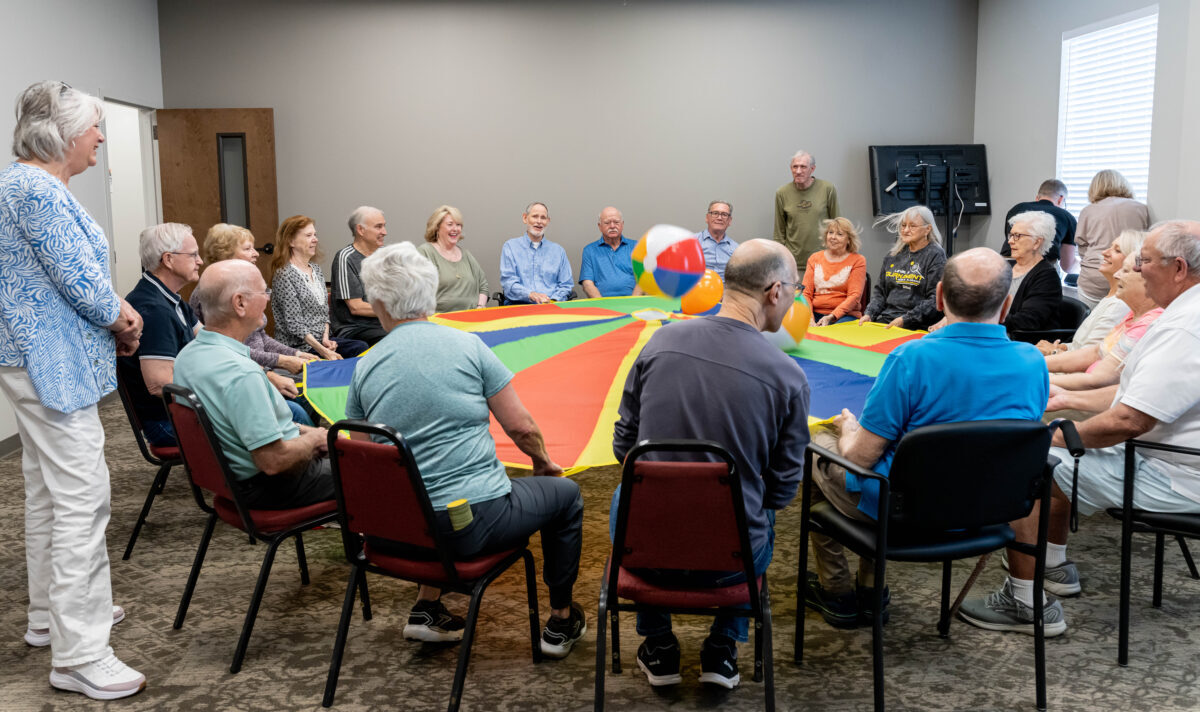
A program like Pathways Respite, a ministry that meets at The Church at Liberty Park in Vestavia Hills, gives those with dementia structured time for stimulation and socializing. It also provides their caregivers with much-needed time to take a break, run errands or do any of the other many things often left undone because caregiving took precedence.
RELATED: Check out more stories on senior adult ministry and caregiving.
However, sometimes caregivers need more than free time. They need a chance to connect with someone walking a similar path, to share what’s particularly hard and to meet with others who truly understand. They need to hear from those who have not only walked this path but have training and experience in this field.
Needing support
They need a support group.
Starting Sept. 23 at 10:00 a.m. every Wednesday, The Church at Liberty Park is providing one of these much-needed support groups. Pathways Connect is specifically geared toward caregivers of those with any form of dementia and is free and open to anyone in this situation.
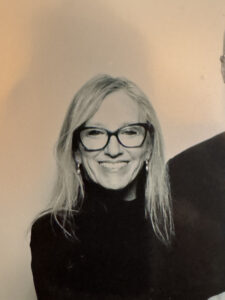
“Care for the caregiver is where I’m focused and where my heart is,” said Vanessa Bragg, retired nurse and volunteer coordinator of support for Pathways Respite. “I just understand the value of information, educating them, encouraging them, helping them to take the time to focus on themselves and maintain their own health.
“I do think that the basis of it all comes down to being able to understand the disease and educate it. And it’s invaluable, I think, for someone to sit down in a support group and be heard and to be seen,” Bragg said.
Bragg knows how lonely this road can be. When she was in her late 40s, she “was an anomaly” in the caregiving world because she was caring for a parent. Most caregivers she encountered were caring for spouses. Through one such support group — and five women who were willing to be insistent — she found the community she needed.
These women were all caring for their husbands. One day, they told Bragg that they were going to lunch and that she was coming with them. They wouldn’t take no for an answer.
“So it was these ladies who took me up under their wings, connected me with them, and we went out and got lunch and sat there. … The camaraderie, the understanding that they’re there for you — you find friendships. That was an ‘aha!’ moment for me.
“Those relationships that have formed from the people who are in the support group — you can’t put a price on that,” Bragg said.
Even with all of her experience both personally and professionally, Bragg doesn’t claim that she knows everything. The Pathways Connect meetings won’t be teaching sessions, although a lot of learning will happen in that space.
Instead, Bragg wants the caregivers to come in, get coffee and a snack and have the freedom to bring up the subjects they most need information about — with no pressure to speak if they aren’t ready. She hopes that others will share their own experiences and that it can be a time to learn from each other and a place where everyone has a chance “to speak and to be heard.”
It will be very informal, with the main goal of meeting the members of that session where they are, she said. She plans to use the topics that are brought up to share resources that target those specific needs.
“I want them to leave with getting a little pearl of wisdom or some encouragement,” Bragg said.
Though this support group is a ministry and is being held at a church, the caregivers don’t have to be Christians to attend. But Bragg will be candid about how she has been able to do what she has in her caregiving roles.
“I tell them who I am, where I go to church. I ask them if they believe in Jesus because I could not get through this disease, even though this is my ministry, without Him,” Bragg said.
Personal journey
“My own personal journey started in about 2013. Not knowing what God had in store for me has brought me the things that I’ve gone through, the things that I’ve seen. The things that I’ve learned are to the point to where now I’m paying it forward.
“I don’t want anyone to feel like I did. They get the diagnosis [and think], ‘Well, what do I do now?’
“I feel my role is to take them from ‘What do I do next?’ to providing information, meeting them, hearing them, helping them figure out what they’re going to do. And I really, firmly believe that God brought me through my own story to get me to this point to where I can pay it forward.”
More information
An informational meeting about the support group was held Sept. 17 at The Church at Liberty Park.
To ask questions about either Pathways Respite or Pathways Connect, contact Leigh Simmons, director of Pathways, at 205-913-6373 or at leigh.simmons@libertypark.org.

Share with others: