
When church members who disagree stop looking for solutions and start focusing on personalities, it’s time to call a mediator, according to experts at a Virginia ministry that helps churches resolve conflict.
Conflict becomes destructive and potentially irreconcilable when personality issues arise, according to The Alban Institute. And most conflict in churches does not center on theological differences or issue-oriented problems. Rather most conflict arises from relational problems.
The institute describes five levels about how the progression of conflict develops:
– A problem develops. Some people may have conflicting goals or values and interaction may be uncomfortable. But the conflict is still problem-oriented rather than personality-centered.
– Differences of opinion become personal disagreements.
– Disagreements become contests with winners and losers.
– “Fight or flight” seems like the only option. Factions are solidified and participants in the conflict believe the church isn’t big enough for two parties to coexist.
– Conflict becomes intractable. At this point, church members are not content with driving away people in the opposing faction. They want to ruin their reputations.
Instead of allowing conflict to escalate to that fifth level, experts at The Alban Institute suggest that churches enlist a third-party mediator.
A neutral party’s involvement can help those involved come to an agreement that will help resolve the issues, said Cassandra W. Adams, director of the Cumberland Community Mediation Center at Samford University’s Cumberland School of Law.
The mediation center — the only one of its kind in a Southeastern law school — has been open since 2005 and offers free, confidential services, she said.
The center offers the expertise of many trained mediators, usually volunteer lawyers, law students or trained community members. In fact, the center recently received a $10,000 grant from the Alabama Law Foundation and a $4,000 grant from the Alabama Supreme Court Commission on Dispute Resolution in order to increase its roster of trained volunteer mediators to 80 during 2007, among other expansions.
When an individual calls the center, Adams begins making calls to set up an appointment for the parties involved and a mediator. If all parties agree to mediation, then all sit down and work through the problem together.
“It’s very dynamic the things that can take place when you put someone in the middle who has no (personal) interest in the dispute,” Adams said.
For more information, call Adams at 205-726-4342 or visit www.cumberland.samford.edu. (ABP, TAB)
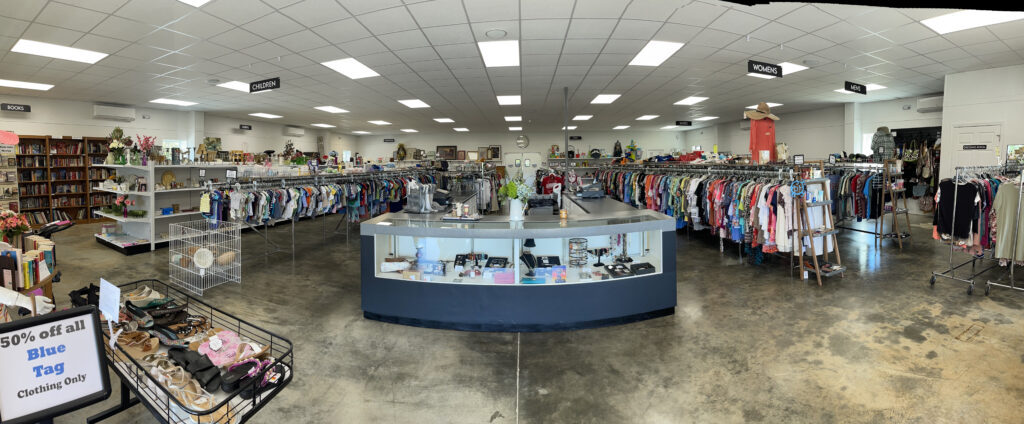
Carey Baptist Association opens new thrift store
Carey Baptist Association is blessing the community through a new thrift store at 82030 Highway 9, Ashland.
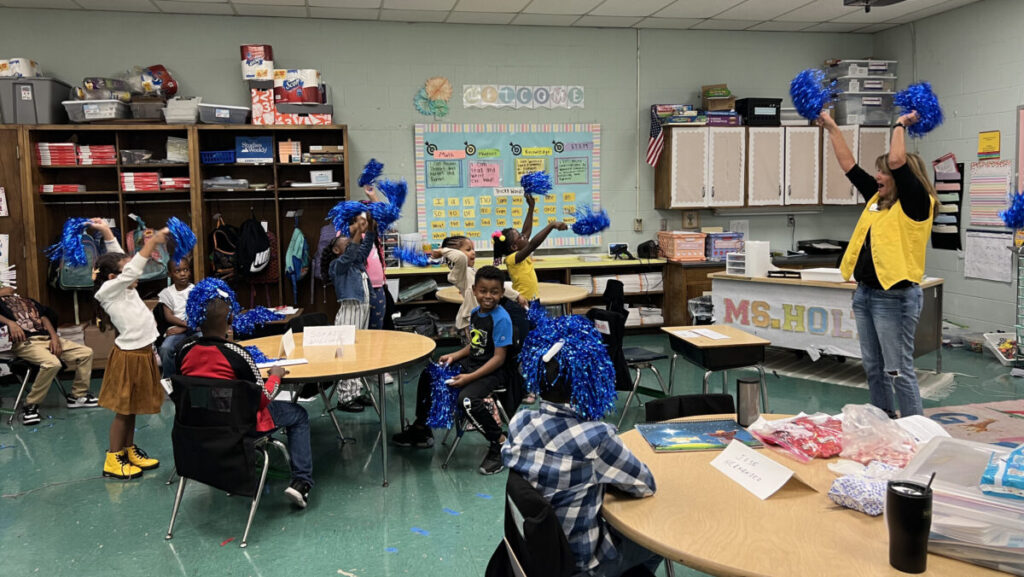
Birmingham after-school program making a difference in the lives of children
Discovery Clubs, an after-school program in 23 schools in the Birmingham Metro area, is all about sharing the redemptive story of Scripture with children who might have no other exposure to the gospel.
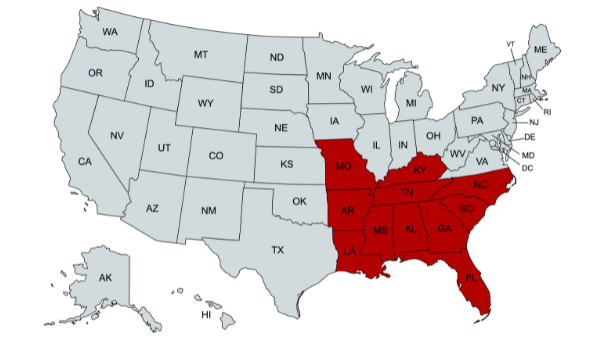
Headline news from around the Southeast for September 30
Arkansas Seeking a creative way to engage with students at the start of the academic year, Mark Parsley, student pastor
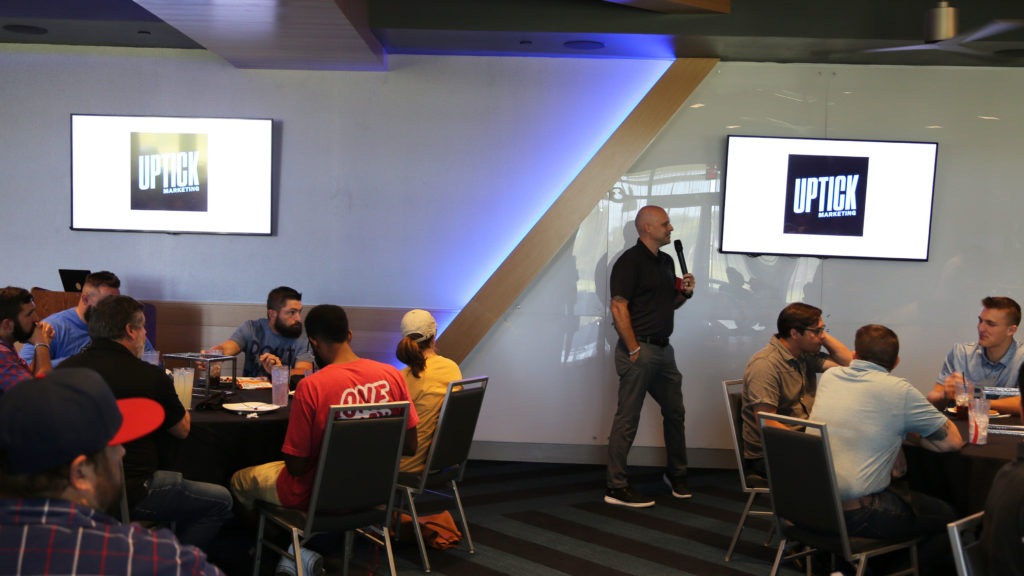
First Priority of Alabama seeing students ‘hungry’ for fellowship, spiritual answers
Supporters of First Priority of Alabama joined together for the Topgolf challenge Sept. 9 in Birmingham. The lunch event drew
Share with others: