
WASHINGTON — The United Methodist Church’s (UMC) public policy agency can advocate on causes beyond alcoholism and temperance without violating the terms of its endowment, a District of Columbia judge ruled Oct. 6.
Superior Court Judge Rhonda Reid Winston’s decision is the latest twist in a long-running debate in the UMC about how its General Board of Church and Society is funded and the positions it takes on political issues.
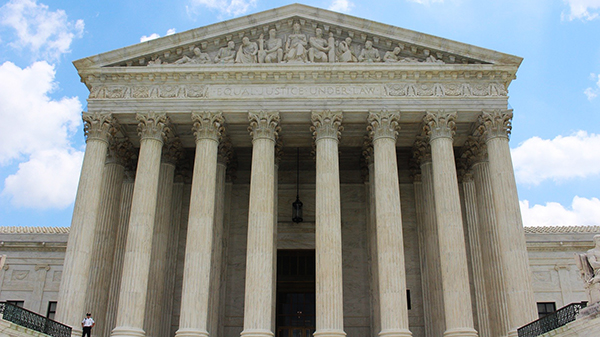
The court case concerned funds donated by Methodists to erect the United Methodist Building on Capitol Hill and the approximately $1 million in revenue generated each year by renting out its offices and apartments. The building, which was completed in 1923, occupies prime real estate between the Supreme Court and the Capitol. A coalition of Methodists contends that the money for the building — and any revenue generated by it — was intended solely to fight alcoholism and support temperance.
“I don’t think the money should be used for any issue — liberal or conservative — not related to temperance or alcohol,” said Rob Renfroe, a Houston-area pastor and former member of the Board of Church and Society. But Winston said evidence presented at the trial “clearly show that throughout the years, the boards were also authorized to, and did, perform substantial work on other ‘public morals’ issues.” Renfroe, publisher of Good News magazine, a Methodist publication, said he and other conservatives are weighing whether to appeal Winston’s ruling.

Share with others: