
The Lonely Planet Travel Guide Web site calls Nigeria “an oil-rich Cinderella nation that still hasn’t quite made it to the ball.” This Cinderella may have the dress and glass slippers, but it still lacks some essentials.
In spite of an abundance of natural and man-made tourist attractions, the nation may not be safe enough for the average traveler. The governments of both the United States and the United Kingdom have issued strong advisories to their citizens, warning against traveling to the west African nation for the present.
Should the travel advisories be lifted or modified in the future, the traveler would find plenty of interest in the nation, with attractions described on an official Web site as “beauty in diversity.”
One of the first images conjured up by the thought of a trip to Africa is often a safari with wild animals in a game park or preserve. The vast majority of travelers to the continent visit countries in the South, like Kenya and Tanzania.
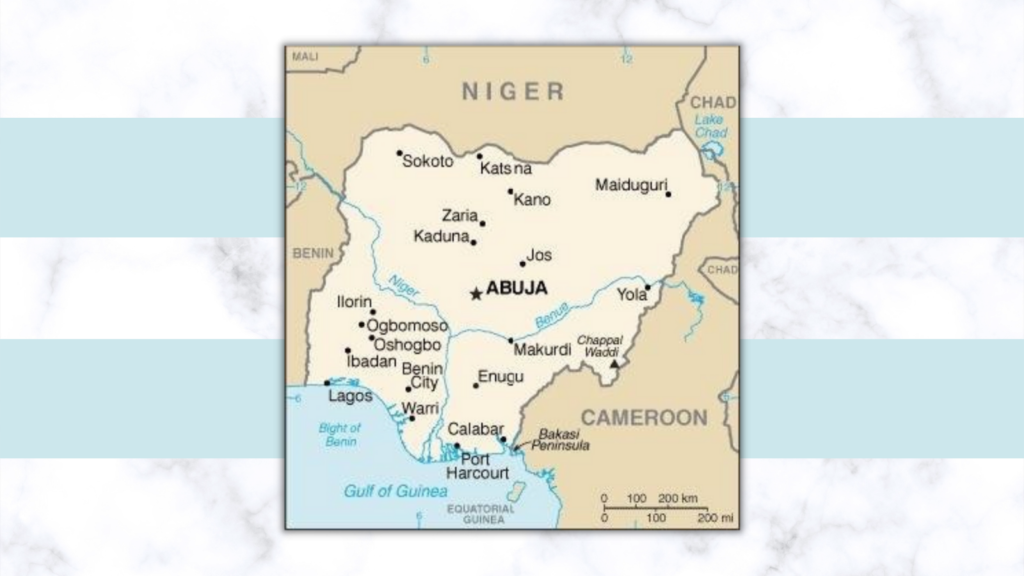
But Nigeria has its own animal treasures. Although its wild animal habitat has shrunk substantially due to deforestation, the remaining forests are still large enough to harbor impressive populations of animals, many of which are endangered. Some endangered animals that can still be seen in Nigeria include the dama gazelle and several species of monkeys. Animals facing a high risk of extinction, such as the cheetah and African elephant, still roam Nigeria.
Many of these species make their home in one of Nigeria’s eight national parks. The Cross River National Park in southeastern Nigeria is considered an important preserve for endangered chimpanzees and lowland gorillas.
The Yankari National Park is the country’s first national park. It is home to more than 50 species of mammals and 350 species of birds. Within the park, which is located in the northeastern part of the country, are a series of man-made caves, ancient ironworks and four warm springs, one of which has been developed for swimming and water sports.
Besides the Yankari, Cross River and other game preserves, the area along Nigeria’s border with Cameroon is the habitat of the highest number of species of forest butterflies in Africa, as well as the highest numbers of forest-restricted birds and mammals on the continent.
Nigeria boasts many other natural attractions, such as beautiful beaches, waterfalls and unusual land formations.
It also has a number of historical sites of interest, including walled cities, native arts and some guided tours along slave-trading routes. According to the consul general of Nigeria, most of these attractions have not yet been fully developed as tourist sites and lack the facilities expected by all but the most adventurous travelers.
Before visiting Nigeria, travelers should check for travel advisory updates on the U.S. State Department Web site at www.state.gov/travelandbusiness/.


Share with others: