
The State Department’s annual report on the status of religious freedom across the globe is out, and its chief villains have some familiar faces.
According to the report released Dec. 18, China, Burma and North Korea remain among the world’s most egregious and systematic violators of religious liberty. Meanwhile, several nations with close ties to the United States — such as Saudi Arabia, Uzbekistan and Israel — continue to repress their citizens’ religious freedom either through overt legal oppression or through unequal enforcement of laws that, on paper, protect religious freedom.
In remarks introducing the report at a State Department press conference Dec. 18, Deputy Secretary of State Richard Armitage noted that major religious celebrations for four of the world’s largest faiths — Christianity, Judaism, Islam and Hinduism — were currently taking place or had recently passed. During the holidays, when so many Americans focus on matters of faith, Armitage said, “all Americans stand united in our freedom of belief. We wanted [with the report] to focus on the plight of people who are persecuted.”
John Hanford, U.S. Ambassador-at-Large for International Religious Freedom, also pointed to the report’s importance saying, “In many respects, religious freedom stands as the first freedom.”
Highlighting five broad categories of ways in which nations suppress religious freedom, the report’s executive summary listed nations that exemplify each:
Totalitarian or authoritarian regimes that attempt to control their citizens’ religious beliefs or practice. Nations such as North Korea, Burma (Myanmar) and Cuba continue to “regard some or all religious groups as enemies of the state,” according to the report.
Governments that exhibit official hostility toward minority or unapproved religions. This includes countries such as Iran, Saudi Arabia and Uzbekistan.
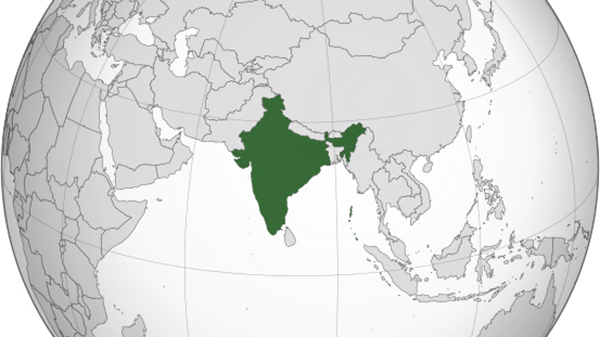
Governments that neglect in some cases to prevent discrimination against, or persecution of, minority religious groups. In countries such as India, Egypt and Indonesia, the report says, “governments have laws or policies to discourage religious discrimination and persecution but fail to act with sufficient consistency and vigor against violations of religious freedom.”
Nations with legislation or policies that single out specific religions for discrimination. According to the report, Belarus, Israel and Russia have policies favoring one religion over another.
Nations with otherwise robust democracies that officially stigmatize religious minorities by “wrongfully associating them with dangerous ‘cults’ or ‘sects.’”
The report notes government officials in many Western European nations have doggedly investigated minority groups even though their members or officials have not been found to have committed any crimes.
In a question and answer session Hanford was asked if Saudi Arabia would receive the State Department’s “Country of Particular Concern” (CPC) designation for gross violations of religious freedom. The report noted that religious liberty “does not exist” in the kingdom. It also said the Saudi government in 2003 “continued to enforce a strictly conservative version of Sunni Islam and suppress the public practice of other interpretations of Islam and non-Muslim religions.”
Hanford said that, although Saudi Arabia “has been very close to the threshold” for being designated a CPC, the State Department has chosen to work with the Saudis toward improvements in religious freedom.


Share with others: