
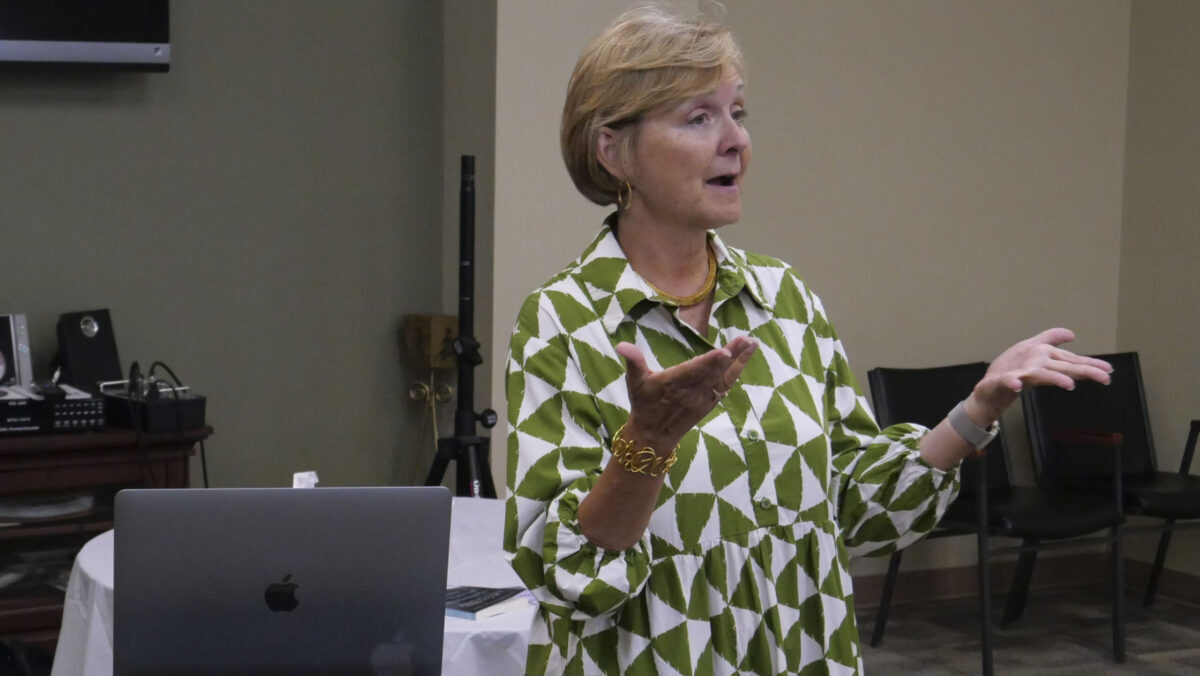
Renée Brown Harmon, a retired family care physician from Birmingham, spent most of her adult life working alongside her late husband, Harvey. However, when Harvey’s demeanor and wits posed a noticeable shift during a vacation in 2010, Renée had several questions.
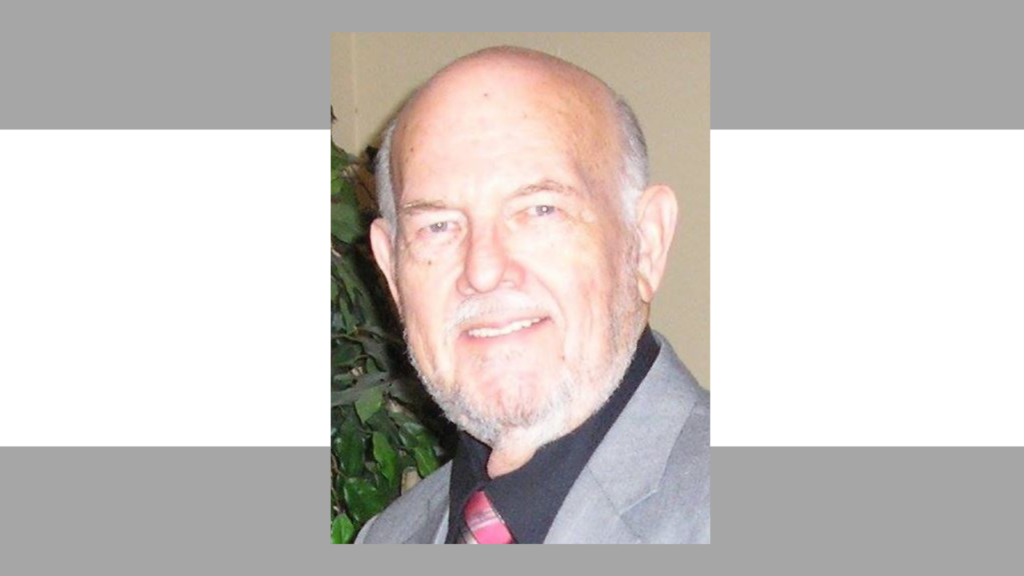
Just nine months following Harvey’s initial cognitive impairments, he was diagnosed with Alzheimer’s disease at age 50. This diagnosis proved difficult, as Harvey was forced out of his practice and into the care of others, care that only increased as his condition worsened.
While Renée hoped to transition Harvey out of work, she was advised that even just a week-long transition was too much of a liability for a medical practice, so Harvey left after lunch that day.
The Harmons’ lives were completely upended. Renée was now the sole practitioner of their office and the primary caregiver to Harvey and their two teenage children.
Increased needs
Harvey was able to stay home alone for four years, Renée said, but a time eventually came when he could no longer reasonably structure his days. Renée hired two at-home caregivers for Harvey and enrolled him in respite care — what she described as essentially adult day care that most often lasts from 10 a.m. to 2 p.m.
Renée said respite care proved to have great benefits, as it gave much needed time off for the at-home caregivers and gave Harvey time to be with others in a setting that allowed him to enjoy himself.
Harvey passed in 2018 at the age of 58 after years of continued cognitive decline. Through these eight years, Renée turned to journaling because she was no longer able to express her hopes, fears and anxieties to her soulmate.
Not only did Renée journal — she also wrote about Harvey and his condition, noting how he was changing over time. In the end, she had filled up half a dozen journals with content that would become her memoir, “Surfing the Waves of Alzheimer’s: Principles of Caregiving That Kept Me Upright.”
Helping others
Renée spoke about her memoir and gave several practical tips for dementia caregiving June 6 at a gathering at Oaks on Parkwood, an assisted living neighborhood in Bessemer.
Renée’s presentation covered three difficult conversations that all families dealing with dementia will have to have.
- It is time go to the doctor.
While many may be inclined to dismiss cognition-related concerns as simply the effect of aging or minor occurrences, Renée advised that it is best to act sooner rather than later — it is better to be safe than sorry when it comes to dementia.
She also said the person possibly dealing with dementia may refuse to go to the doctor out of fear or a stigma surrounding mental health.
“What are the barriers for going to the doctor? Why might a loved one say ‘Nope’?” Renée asked. “Are they scared? Is there stigma still? … There may be anger.”
Renée told the audience to be gentle with your loved one. Do not use blunt language, she advised. Rather, be kind and suggestive of potential measures that could be taken.
Another route is to encourage a memory screening during free, annual Medicare wellness exams. In fact, she suggests calling a doctor ahead of the exam to express concerns over cognition.
Along with this, she said it is possible to go into a loved one’s online patient portal and enter any concerns prior to a doctor’s visit to put them on the physician’s radar ahead of time.
Pairing a doctor’s visit with an enjoyable activity following it is another way to get them to the doctor.
Her final suggestion was based on the phrase “it is better to be kind than correct.” This consists of gently insisting on a doctor’s visit through saying things like, “You know, I think it’s about time for your yearly doctor’s visit,” rather than, “I think you have dementia, and you need to go to the doctor.” She also described this as “therapeutic fibbing.”
- It is time to stop driving.
Renée said that as a caregiver, it is crucial to pay attention to a loved one’s driving capabilities. Oftentimes, driving skills dwindle, and there are telltale signs to look for that mean it is time to keep your loved one away from the wheel.
Scratches on cars and forgetting how to navigate familiar areas are common in people with dementia. However, Renée encouraged caregivers to ride with their loved ones experiencing cognitive decline to gauge their driving skills.
She said planning ahead of possible catastrophe is extremely helpful. In the early stages of dementia, she advised sitting down with your loved one and addressing the fact that there would inevitably come a time when they will no longer be able to drive and lay out a plan for how your loved one would best like this issue to be handled.
Creating a driving contract and getting your loved one to sign it is a good method to prepare them for this big change. Adding ultimatums that have been agreed on to the contract like getting pulled over or frequently getting lost can be helpful when those ultimatums have been breached and can be referenced when the time finally comes to take the keys away.
As with encouraging your loved one to go to the doctor, it is also important to be gentle with them in addressing their ability to drive, she said. Tapping into their empathy for others by saying things like, “I know you wouldn’t want to hurt others,” or, “I know you wouldn’t want to cause an accident,” often helps sway them to give up their driving privileges.
If you are going to suggest taking away their driving privileges, you should also suggest alternate modes of transportation, Renée said.
However, if your attempts to get them away from the wheel fail, a medical professional, police officer or insurance agent can also recommend revoking driving privileges, she noted.
Physicians often suggest taking driving assessments, most of which begin with a digital assessment. If the digital assessment is failed, a physical driving assessment is out of the question, and the physician will recommend that your loved one no longer drive.
- It is time to hand over your finances.
While it may seem intrusive or disrespectful to suggest that a loved one with dementia hand over their finances, Renée said you must remind them that you are in the fight together.
Their condition will worsen, and someone has to take care of them and all they own, Renée said. She said you need to begin with asking questions about their finances and belongings, and do not have this conversation all at once. It is too big to handle in one sitting.
She also said bringing in a professional of sorts in — a financial adviser or attorney — can be helpful in sorting through things and getting other assets in order.
Value of care team
Renée ended her presentation by expressing the importance of forming a care team — a group of family members or friends who are in place to help through the dementia process.
She said people often ask what they can do to help, and it is OK to have a list of things that they can help with during this difficult time. Things like preparing dinner, lawn care or getting the children somewhere they need to be are all OK to ask of others.
Adjacent to this, she said when becoming a primary caregiver to someone with dementia, you need to alert your place of employment so they are prepared for the unexpected situations you may face.
For more information on the services Oaks on Parkwood provides, visit www.nolandhealth.com/communities/oaks-on-parkwood/.
For more information on Renée Harmon and her dementia resources and memoir, visit www.reneeharmon.com/.
For other dementia or Alzheimer’s resources, visit www.alz.org/.



Share with others: