
It’s legal to pray in the U.S. Capitol building, despite police action to the contrary, a federal judge has ruled.
The ruling comes in a case that began in November 1996, when Pierre Bynum was leading eight people (including members of his family) on a prayer tour of the U.S. Capitol building. Capitol police approached the group and threatened arrest if they continued praying.
“Nobody was kneeling, nobody had their hands uplifted. The prayer was spoken in a soft way for the group that was praying,” said Bynum, who offers the free tours through his ministry with the Capitol Hill Prayer Alert.
“We were absolutely stupefied” by the threat of arrest, Bynum told the Washington Post. “We were praying for our country.”
Bynum, 51, who is associate pastor of Waldorf Christian Assembly in Charles County, Md., originally sought an apology from the police, assuming the incident with a misunderstanding.
When officials defended their actions, Bynum filed suit, challenging the police ruling that prayer constitutes an illegal “demonstration.”
Disruptive means
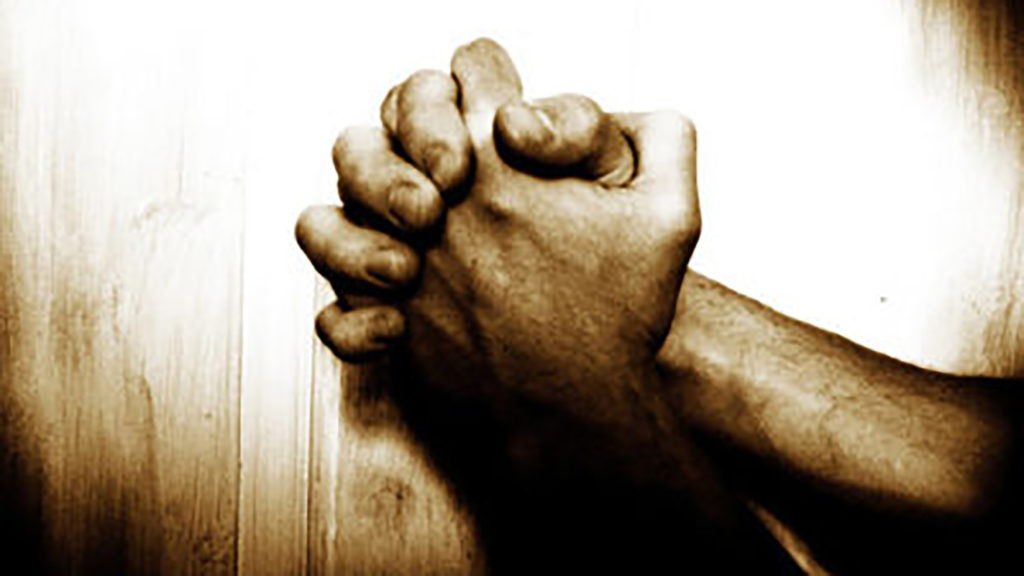
Arguing their case in court, the police contended having people fold their hands, close their eyes and bow their heads was an illegal, disruptive demonstration. Government lawyers said prayer was banned in the building unless conducted in the chapel or other designated places at the invitation of members of Congress.
They also cited a 1946 federal law making it illegal to “parade, or demonstrate or picket” in the Capitol, and a Capitol police regulation that defines demonstrations as conduct that conveys a message or supports a point of view and that draws a crowd of onlookers.
U.S. District Judge Paul Friedman rejected those arguments and struck down the regulation as unconstitutionally vague. In his March 31 ruling, Friedman said the federal law was aimed at preventing disruptions in Congress, not “quiet praying.”
Bynum was not staging a demonstration, and the group caused no disturbance and had a constitutional right to engage in free speech, the judge ruled.
Friedman issued an injunction preventing Capitol police from enforcing any ban on prayer against Bynum.
“He also specifically enjoined the Capitol police from restricting …’the descreet act of bowing one’s head, closing one’s eyes or clasping one’s hands within the United States Capitol,’” said Jim Henderson with the American Center for Law and Justice.
(EP)
Share with others: