
Alabama is not the only state that has seen its fair share of infighting over the legality of a type of electronic gambling.
More than a decade ago, the debate over the legality of video poker in South Carolina had escalated to a boiling point after approximately 15 years.
Video poker came in “through the back door” in 1986 after a state senator added an amendment to a budget bill as a favor to a local businessman, according to Slate, a daily online magazine. That amendment deleted two words from a state law, which created a loophole for the video poker industry. Slate also reported that the amendment passed without any debate, public or private, and it wasn’t until 1989 that the state realized what had happened.
Because the state never intended to legalize video poker, it did not have a gambling tax or any rules governing gambling such as children not being allowed to play.
However, South Carolina did ban big jackpots in 1993 and limited payouts to no more than $125 per day. In 1994, a referendum was held to allow counties to decide whether they wanted video poker, but the vote was overturned by the state Supreme Court because it said criminal laws can’t vary from county to county.
By 1999, video poker had grown to an estimated $3 billion industry with 34,000 machines at 7,000 venues.
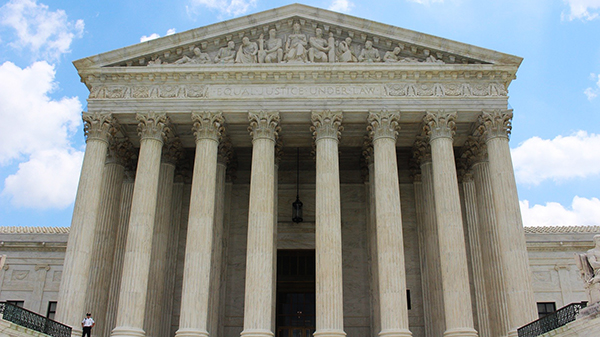
But in October 1999, the Supreme Court spoke once and for all and banned the video poker industry, marking the first time in 50 years that a state had outlawed gambling and uprooted an entire industry.
The ruling came in response to an action made earlier in the year by state legislators, who wanted to let voters decide whether they wanted video poker. They had scheduled a statewide referendum for Nov. 2, 1999, but worded the law to say unless voters chose to keep video poker, it would be banned. The Supreme Court said the referendum was unconstitutional. (TAB)



Share with others: