
The 2004 Selma-Dallas County Men’s Conference challenged men to become more godly in every aspect of their lives, said Wayne May, conference chairman and member of First Baptist Church, Selma.
“The main goal was to teach men how to be the kind of men they need to be in family, the workplace and community and to try to discern this culture we live in and to defend their convictions,” May said.
While Baptists and other denominations in Selma and Dallas County initiated, funded and implemented the Feb. 19–21 event, the Alabama Baptist State Board of Missions (SBOM) assisted with it, said Tommy Puckett, director of the office of men’s ministries of the SBOM. “They had the right people in the right place and were successful in getting sponsors,” he said. It was a “combined effort” among denominations and races.
Area church leaders shared the stage at the Julius and Mary Jenkins Center at Concordia College with Selma’s mayor and other civic leaders, illustrating the widespread support for the event.
May estimated attendance at 2,200 — a sellout crowd. He said men came from Tennessee, Mississippi, Georgia, the Florida panhandle, as well as around Alabama.
“We have a lot going on in Dallas County and this event was just another piece of the puzzle of bringing men together in Christian fellowship and ministry,” said Tom Stacey, director of missions for Selma Baptist Association.
Stacey was one of 12 men on a steering committee that planned and implemented the conference.
“More than 20 churches were involved in the planning of this,” said Don Jones, a member of Northside Baptist Church in Selma. “It offered such a beautiful picture of churches working together with manpower and finances. To me that was a testimony in itself.”
He said it was important for men to come together and be “spoken to in a way that focuses on us and the problems we face.
“We need to hear how the Bible is relevant to us today,” Jones said.
“This conference has truly awakened a sleeping giant here in Selma,” said steering committee member Freeman Waller, deacon chairman at Greater Saint Paul Baptist Church in Selma. He said the speakers addressed the history of the people of Selma and dealt with it from a biblical perspective.
“The conference went a long way to remind us of how we can take our history to make our present and future much, much brighter and productive for generations to come,” he said. “It helps us change the course of our direction, and we are now more focused on human beings and not necessarily issues,” he said.
The conference brought men from all walks of life together to put their individual differences aside and form bonds of friendship with new people.
They realized there is a tremendous movement of God across the country, said Keith Aldridge, a member of First Baptist Church, Butler. “I hope that we can have more conferences like this in Alabama. It would pull people together from all denominations into unity and worship in Christ,” he said.
The conference began with a family worship night that included wives and children. The rest of the time was for men only.
Conference leaders such as Chette Williams, Tony Evans and Steve Farrar addressed topics on being Christian men, dealing with family issues and living in today’s culture.
Williams, the Auburn University football team chaplain and state director of urban ministries for the Fellowship of Christian Athletes, shared his personal testimony with attenders.
Evans, pastor of Oak Cliff Bible Fellowship Church, Dallas, Texas, pinpointed key issues, addressing them from a biblical perspective.
Farrar, author of “Point Man,” “Finishing Strong” and numerous other books, presented ideas about using time wisely.
May said the conference steering committee and other volunteers enlisted support from 25 area churches.
“Our budget for the conference was $38,000, and God helped us raise $50,000,” May said. He said the steering committee would consult with the churches that gave the money and meet to discuss what would be done with the excess.
Stacey said the decisions made during the conference included eight for salvation, 12 rededications and eight asking for prayer.
Lakeview Baptist in Auburn hosting women’s conference Aug. 1–2
Author Rosaria Butterfield will be the featured speaker, sharing her conversion experience to Christ and teaching from her book “Five Lies of our Anti-Christian Age.”
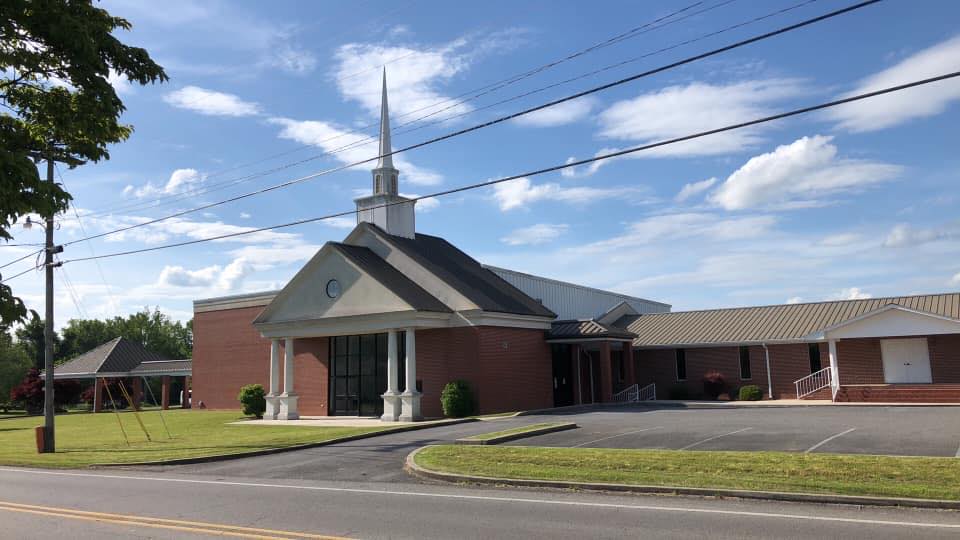
Henagar Baptist hosting women’s conference Aug. 9
The theme, Rooted in His Love, is based on Ephesians 3:14–21. Guest speakers include Jo Carwile, Missy Lundy, Pam Atcheson, Candace McIntosh and Julie Boyd.
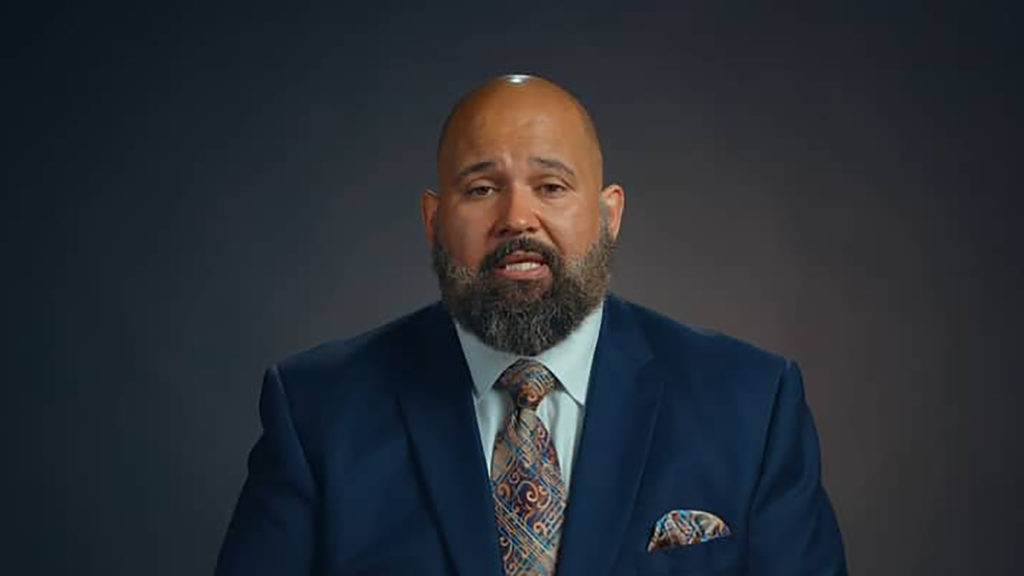
Southern Baptist Convention VP to speak at North Shelby Baptist Church
North Shelby Baptist Church in Birmingham will host Lee Brand, first vice president of the Southern Baptist Convention, on Aug.
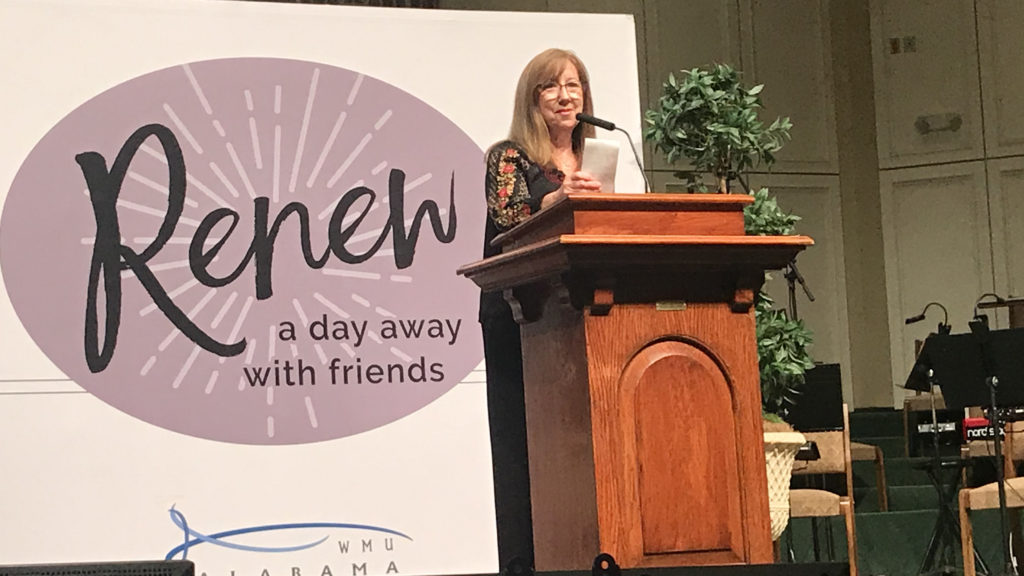
Renew 2021 encourages joy in the journey
After a year of virtual conferences and a few canceled events, women from across Alabama gathered in person on April
Share with others: