
Preparing a sermon in the Internet age comes pretty easily. In fact, spend just a few hours doing some research on your text, copy and paste from a few different sources, squeeze in a personal story or two and you are set for Sunday morning.
But if you prefer doctrinal preaching, then you are going to have to work for it. It is as intense a workout as you will ever get as you pore over, into and through God’s Word in preparation for the sermon.
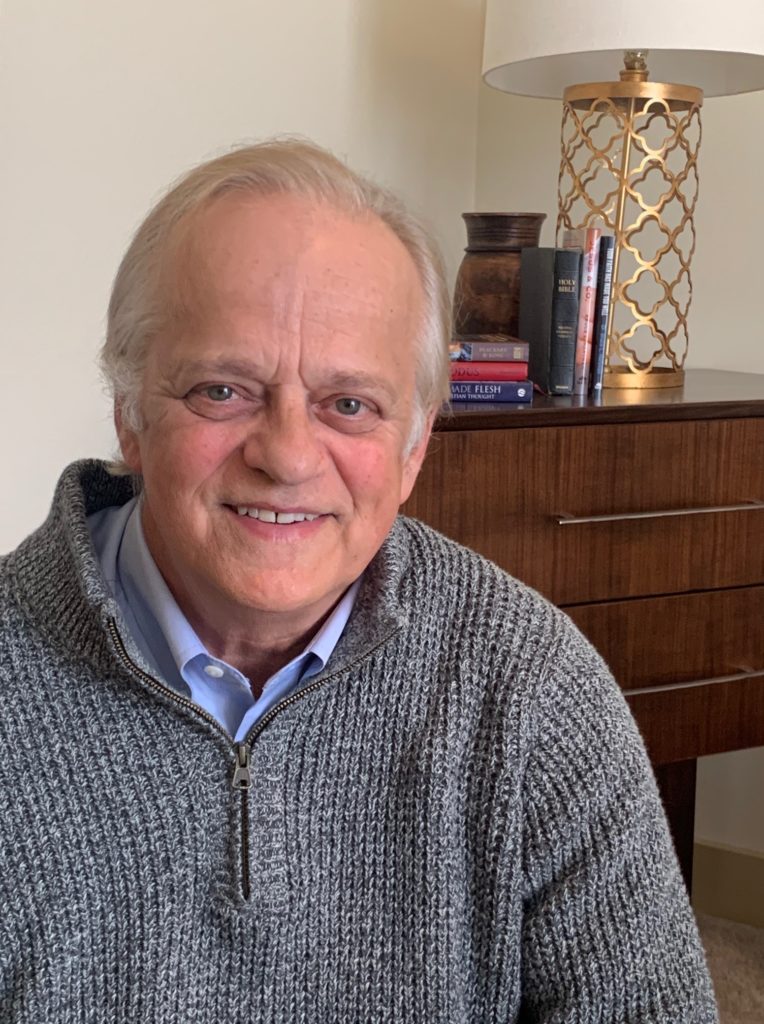
At least, that’s what Robert Smith Jr. believes and hopes to communicate in his book, "Doctrine That Dances: Bringing Doctrinal Preaching and Teaching to Life."
"Doctrine exists to make preaching as hard as it needs to be," said Smith, professor of Christian preaching at Samford University’s Beeson Divinity School in Birmingham. The Word must pierce, dissect and saturate the one attempting to preach it, he added.
"Ministers can be guilty of spending much of their time preparing messages that will impact others but not enough time allowing the text of Scripture to impact themselves," Smith wrote.
And for all those who fear a congregation nodding off before the pastor completes his first point, no worries, said Smith, a popular preacher at pastors conferences, denominational conventions, evangelism conferences and teaching conferences worldwide.
"There is a misconception that doctrinal preaching is dull, boring and that it drags," he said. "But I contend that it dances. It doesn’t drag. It is a blessing, not a burden. It is vivacious … and living.
"If doctrinal preaching doesn’t dance, then the escort is out of rhythm with the music," Smith said of the preacher and his text. "I’m not talking about clowning. I’m talking about approaching the text as alive and full of redemptive life rather than in a dull, lifeless manner that is just cranial and not cardiological."
It takes knowledge from the head and emotions from the heart for the sermon to dance, he noted. "If there is only a head engagement, then the sermon is dull. If only the heart is used, then it is blind. But with both, it dances."
Timothy George, founding dean of Beeson, called Smith "a great preacher." Over the years, George has encouraged him to put his knowledge and advice in writing so that those who don’t have the opportunity to hear him and study with him could benefit from his wisdom.
"The book distills the essence of Dr. Smith’s classroom and teaching skill and shares it" even to future generations, George said.
And so with a compilation of every sermon, every lecture, every article, every oral communication, Smith penned the book that within weeks of its Jan. 6 release was named Book of the Year by Preaching magazine. The book also inspired the idea for the theme of this year’s E.K. Bailey International Conference on Expository Preaching — Preaching Sound Doctrine That Dances. Smith will be a keynote speaker at the July 7–11 conference in Dallas.
Doctrinal preaching is "just part of who I am," he explained. "If I could be dissected and pared down to one cell, all that would be left of me would be doctrinal preaching. This is the heart of Robert Smith. This is my DNA."
But how did Smith get to this point? Influenced by strong Christian parents and a childhood pastor who invested much time and energy into him beginning at age 9, Smith, who experienced salvation at age 7, was immersed in the Word and other doctrines of faith before he could drive a car.
Recalling the first sermon he prepared for his childhood pastor who had since moved to another church, Smith said he learned a hard lesson that day. When the 18-year-old Smith arrived at the church after pulling an all-nighter preparing for the sermon, the pastor asked to see his notes. He handed over 50 or so pages from his yellow legal pad proudly and then silently melted down as the pastor ripped them up.
"If you can’t remember your sermon enough to share it with the congregation, how can they remember it?" the pastor asked him.
With only a few minutes to prepare, Smith regrouped and preached that Sunday. And he’s been preaching from that which is within him ever since. "You have to know it, internalize it, not memorize it," Smith said. "Before the doctrine gets to the people, it has to go through you."
He suggests reading the sermon passage 50 times before doing any research and not all at the same time.
"We tend to read the Bible too quickly," Smith said. "Live in the text so long that you start looking like the text."
He added that all five senses must be engaged and awakened — What do you see, hear, taste, smell, feel?
"The Bible is not a magical book," Smith said. "It needs someone to interpret it. The Bible is living and is ready to dance. This is not bringing the doctrines to life but the communication of them to people’s lives. Doctrinal truth must touch down upon life. We have to come to life and dance with it."
To order his book, visit www.thealabamabaptist.org and click on the LifeWay Christian Stores link in the bottom right corner.



Share with others: