
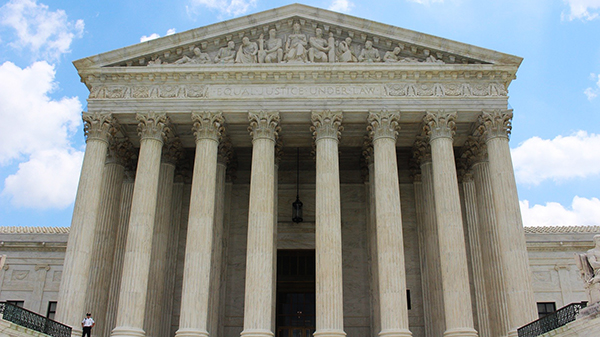
WASHINGTON — The U.S. Supreme Court ruled June 27 that a state law prohibiting the sale or rental of violent video games to minors violates the First Amendment’s protection of free speech.
In a 7–2 decision, the high court upheld lower court rulings striking down a 2005 California law. The ruling elicited strong criticism from an organization that seeks to protect children from violence, sex and profanity in entertainment.
In the court’s opinion, Associate Justice Antonin Scalia said a ban on the sale of obscene material to minors that was upheld by the Supreme Court in 1968 does not apply in the case of California’s law, which was patterned after the ’68 anti-obscenity measure. The high court’s rulings “have been clear that the obscenity exception to the First Amendment does not cover whatever a legislature finds shocking, but only depictions of ‘sexual conduct,’” Scalia wrote.
In his dissent, Associate Justice Thomas said the court’s opinion “does not comport with the original public understanding of the First Amendment.” He said the original understanding of free speech “does not include a right to speak to minors (or a right of minors to access speech) without going through the minors’ parents or guardians.”

Share with others: