
Traditional role expectations of clergy and laity often create an unhealthy “codependency” that hinders lay empowerment in churches, says church consultant Tom Bandy.
“We expect the clergy or staff to do all the continuing education, all the spiritual growth,” Bandy said in an interview with FaithWorks magazine. “And they in turn will visit us every week, make sure we’re taken care of in the hospital and guide us through the life cycles until we die.”
“We need to break that codependency,” Bandy said.
“It may be very painful to break, because I know many clergy who, deep in their hearts, would prefer that their laity not grow,” Bandy said. “The climate in many traditional churches is: ‘I don’t want you to grow, because if you grow, you may make better sermons than me. You might be a better visitor to the sick than I am. You might be a better teacher than I am. If you grow and they see you’re better, then what will I do?’”
“That kind of laity-clergy codependency,” Bandy said, “is holding churches back from the passion for spiritual growth.”
Ironically, Bandy said, “spiritual hunger — the desire to go deep” is lacking in many traditional churches while thriving elsewhere. “I see it in the public,” he noted, “in the unchurched or those who may just have dropped out of the church.”
“All kinds of people are passionate about continuous learning, constant education. People are taking community college courses,” he said. “Look at all the books at Barnes and Noble on spiritual growth.” (ABP)

Pray for your pastor
There are so many reasons to pray for your pastor. He stands before crowds large and small who are listening.
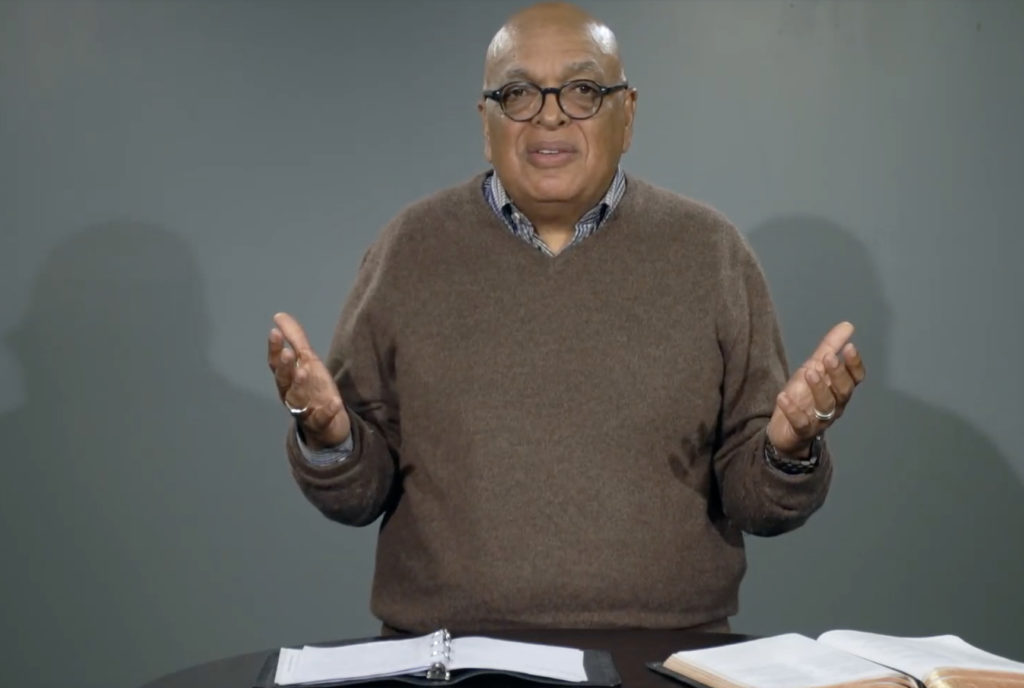
Loritts shares 5 choices pastors should make when they’re discouraged
“Let’s face it — we’re all just one text message away, one email away, one call away from disaster or

Remember Pastor Appreciation Month
There are many ways I’ve been honored by Pastor Appreciation Month, but what really touches my heart is when someone

Is your (financial) house in order?
By Margaret Colson The Alabama Baptist As you look around your financial house, what do you see? Do you see
Share with others: