
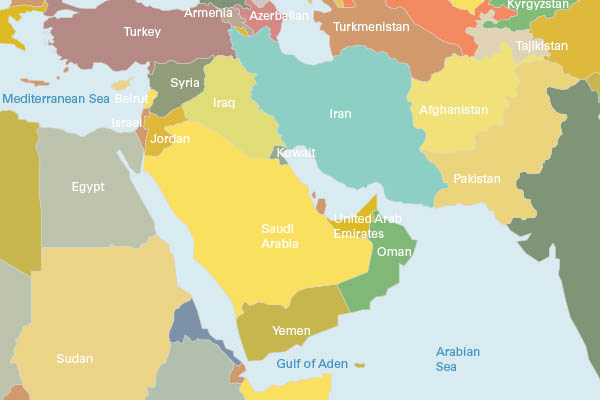
Since the United States broke diplomatic relations with Iran in April 1980, there is no U.S. Embassy in Iran or Iranian Embassy in the United States. While that makes it more difficult to travel there, it is not impossible, and many Americans do visit Iran each year.
For the prospective traveler, the absence of diplomatic relations means that Americans need to apply for visas through the Pakistan Embassy’s Iranian interests department. The lack of a U.S. Embassy in Iran also means that the United States cannot provide protection for its citizens who travel there, although the Swiss government does maintain a United States interest department with which Americans who are in Tehran may register.
Along with these difficulties, the United States has issued a series of travel advisories because of perceived danger to Americans. The latest advisory, issued in October 2006, reported that the hostility of the current regime and population toward the United States can result in the arrest or harassment of U.S. citizens.
Other reasons given for caution include armed attacks on travelers on the road from Bam to Kerman in May 2006 and large-scale demonstrations in various parts of the country over the last several years.
But the intrepid traveler who decides to visit Iran despite the warnings will find a fascinating place. Others may find an opportunity to go there for relief work, as several Alabamians did after the 2003 earthquake in Bam.
Iran has large deserts and high, forested mountains that boast popular ski resorts, but the star attractions for tourists are man-made sites. While Iran was still known as Persia, many of its people — Marco Polo, Artaxerxes, Cyrus the Great, Alexander the Great and others — left their imprint on the country.
Perhaps the most famous of the historic sites in Iran is Persepolis, founded in approximately 518 B.C. by Darius I. The city, located in the southwestern part of the country, was the seat of Darius’ huge Persian Empire. It was largely destroyed after only 200 years when Alexander the Great overran Persia and looted Persepolis’ treasures. Now excavated, the city is listed as a UNESCO World Heritage site.
Another city, Yazd, is said to have been one of the oldest cities of ancient Persia. Polo visited the city in present-day central Iran in 1272 and included “the noble city of Yazd” in the chronicles of his journey.
The beautiful architecture in Yazd is highlighted by tall, thin towers called badgirs, or wind-catchers, which are designed to provide ventilation for buildings. Although the towers can be seen in other places in Iran and the Middle East, Yazd is known for having the tallest and the largest number.
Americans who travel to Iran despite the warnings are asked to register with the U.S. State Department.


Share with others: