
A dispute over who can lead student religious groups has left Americans uneasy, but few want to see groups punished for requiring their leaders to hold specific beliefs or practices.
A new study from LifeWay Research finds mixed opinions about whether student religious groups should be allowed to mandate leaders’ beliefs or, because of their religious beliefs, restrict LGBT (lesbian, gay, bisexual and transgender) members from leadership roles. Yet nearly 7 in 10 say colleges should not withhold funding or meeting space from such organizations.
Student groups say their belief statements and ethics define their identity. College officials — citing what are known as “all-comers” rules — insist groups and their leadership be open to all students.
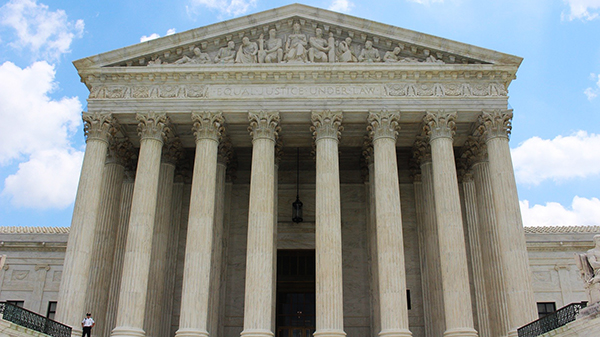
Groups at more than two dozen campuses have lost their official standing over this disagreement. One dispute at the Hastings College of Law in California went before the U.S. Supreme Court. Lawmakers in several states have proposed laws that would bar colleges from applying “all-comers” rules to on-campus religious groups.
Ed Stetzer, executive director of LifeWay Research, observed, “Recent university restrictions on beliefs and practices of student group leadership are a sharp contrast to admissions offices that celebrate pluralism, residential programs that encourage diversity and schools that encourage new thinking. Oddly, these ‘all-comers’ policies lead to the idea that even Oscar Mayer should be allowed to lead the Vegetarian Club.”
LifeWay Research asked 1,000 Americans to respond to this statement in a phone survey: “Should student religious organizations, recognized by publicly funded colleges, be allowed to require their leaders to hold specific beliefs?”
About half (48 percent) said no. A similar number (46 percent) said yes.
Researchers also asked Americans whether colleges should restrict student groups that do not allow gay and lesbian students to be leaders.
Funding, space
Just over a third (38 percent) said colleges should give funding and meeting space only to groups that allow gay and lesbian leaders.
Nones are more likely (48 percent) to want to see limits on groups that ban gay leaders than Christians (37 percent) or those from other faiths (25 percent).
Support for a restriction lessens when religious objections come into play. Those who support the restriction were asked whether colleges should “exempt religious organizations that object to homosexual behavior from this requirement.” More than a quarter (29 percent) of this subset affirmed religious organizations should be exempt.
The combined response to the questions indicates 68 percent of Americans believe colleges should not withhold funding or meeting space from religious student organizations that do not allow gay and lesbian students to be in leadership roles.
(LifeWay)

Share with others: