
In 1883, the United States sent the first official envoy to the nation of Persia, now known as Iran. For almost 100 years, the two nations continued a relationship that was, for the most part, uninvolved but cordial. Today, however, of the 193 independent nations recognized by the United States, Iran is one of only five nations with which the United States does not have diplomatic relations. The other four nations are Bhutan, Cuba, Montenegro and North Korea.
To many in the United States, Iran was an obscure and relatively unknown country until the late 1970s. In January 1979, the ruling shah, Mohammad Reza Pahlavi, left the nation to live in exile following months of violent protests. Soon after the shah left, the exiled Ayatollah Ruhollah Khomeini returned, seized control of the government and declared the country an Islamic republic after a national referendum passed.
On Nov. 4, 1979, a group of Iranian students supported by Khomeini placed the nation front and center in the world’s collective awareness. For 444 agonizing days, the eyes of Americans were on the U.S. Embassy in Tehran, where 52 Americans were held hostage.
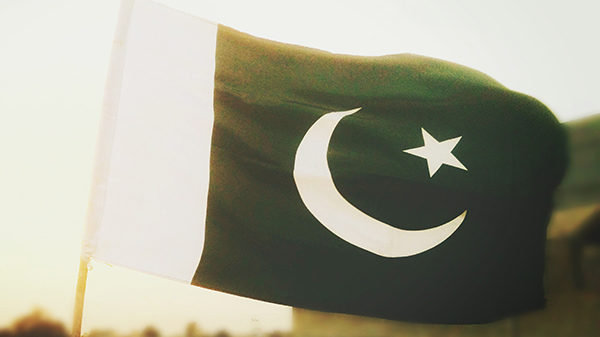
In April 1980, the United States broke diplomatic relations with Iran in response to the continuing hostage crisis. The following year, the Swiss government began to represent U.S. interests in Tehran, while Pakistan began representing Iranian interests in the United States. While the hostages were eventually released unharmed Jan. 20, 1981, the embassy has not been reopened.
During the takeover of the embassy, the United States issued several sanctions against Iran. Some sanctions, such as the seizure of Iranian assets in the United States, have been repealed. The sanctions currently in place include prohibition of most trade with Iran, with exceptions for U.S. imports of carpets and food such as nuts, caviar and dried fruits and exports to Iran of food and medical products.
According to the U.S. State Department’s Web site, the current sanctions are a result of the U.S. government’s objection to Iran’s sponsorship of terrorism, its efforts to acquire weapons of mass destruction, its “support for violent opposition to the Middle East peace process” and human rights violations.
Recently the tensions between the two nations have increased, with a raid by the U.S. military in northern Iraq, which resulted in six people, said to be Iranians, being detained. In an interview with Fox News, U.S. Vice President Dick Cheney said, “I think it’s been pretty well known that Iran is fishing in troubled waters, if you will, inside Iraq. The threat that Iran represents is growing, it’s multidimensional and it is, in fact, of concern to everybody in the region.”
Another source of tension between the United States and Iran is Iran’s uranium-enrichment program, which can either lead to nuclear power or nuclear weapons. The U.N. Security Council, of which the United States is member, has applied sanctions directed at stopping the program.
On March 24, the United Nations broadened earlier sanctions by banning all Iranian arms exports, restricting aid to the nation and freezing assets connected to Iranian nuclear and missile programs.
Iran remains defiant on the issue, vowing not to stop the program.
Share with others: