
In this world of big screen televisions and technologically advanced movies, some churches are seeing the beautiful, ornate chandeliers of old move over in favor of new precise theatrical lighting systems.
And it’s not happening simply so the churches’ decor can stay in vogue. In many cases, it’s a ministry necessity, said Tommy Strickland, audiovisual director of Shocco Springs Baptist Conference Center in Talladega.
“We have a lot of ornate lighting that is very beautiful and was functional then, but it is no longer functional,” Strickland said.
Why? Video ministries need the precision of light-specific systems to keep pace with the audience they’re trying to reach, an audience who expects a quality presentation through video.
“I-mag (Image Magnification), a video system being used by many churches now, requires good lighting or you’ll get shadows, dark spots and even blinding glares off a speaker’s head if he happens to be bald,” said Strickland, who is pastor of First Baptist Church, DeArmanville, in Anniston. “You have to do your lighting right, because it will make or break your video.”
Certain types of light are also necessary for video cameras to “see.”
With video, Strickland said, quality is job 1. “You can have a wonderful service, then put it on video and it be absolutely terrible. It needs to be quality, because we’re doing it for God,” he said. “Scripture says, ‘Whatever you put your hand to do, do it with all your might.’”
That includes viewing lighting and video systems as an investment in the ministry rather than as a “big expense,” Strickland said.
And it should be done as professionally as possible, said Gary Swafford, director of new work and church building services at the Alabama Baptist State Board of Missions. Video projections are at their best when worshipers don’t even notice it, he noted.
“The visual presentation is to enhance the spoken word or the worship experience,” Swafford said. “The technology should be the silent partner in the worship team.”
Michael Thompson, president of Thompson Sound Inc. in Trinity, said video and lighting systems serve to keep the people’s attention where it should be focused.
“With the technology on TV, traditional churches with dark, dingy lighting may not be able to hold onto first-time visitors,” Thompson said. “They’ll look for something more exciting, or they’ll just go home. And with the unsaved — they may never come back.”
Thus, lighting serves an important purpose besides just facilitating video. “The eye will follow the brightest object in the room, so you brighten the stage to draw attention to it,” he said. “With quality systems, you can focus on attention zones too when needed, such as the Lord’s Supper, a choir special, a piano solo or the pulpit.”
Attention-keeping techniques with lighting have also been “guinea-pigged” in churches and found successful, Thompson said. “Some tried slowly increasing the lighting from the beginning of the service to the end and found it kept the congregation more engaged. People’s attention stayed more focused on a subconscious level.”
Strickland said the adage “Let’s just put a floodlight up” doesn’t cut it anymore. “The demands of today’s varied worship styles have increased the presence of and need for theatrical lighting and videography.”
Whether it’s to highlight a drama onstage or to focus on a musical experience, the increased variety of arts in worship call for greater flexibility, Strickland said.
“It’s a misconception that lighting is extremely expensive — it’s not,” he said. “It’s relatively affordable, even for small churches.”
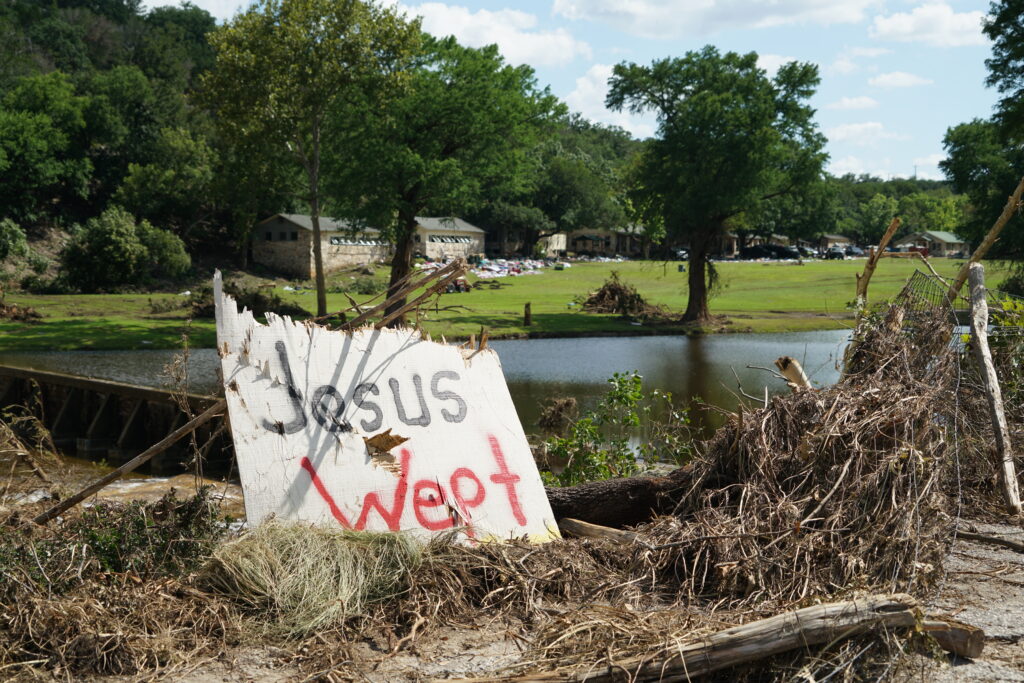
‘Sarah’s legacy’: Senate approves camp safety bill named for Birmingham girl
The Alabama Senate approved a bill Tuesday (March 31) requiring overnight camps in Alabama to meet more safety standards and have state-issued emergency preparedness licenses.
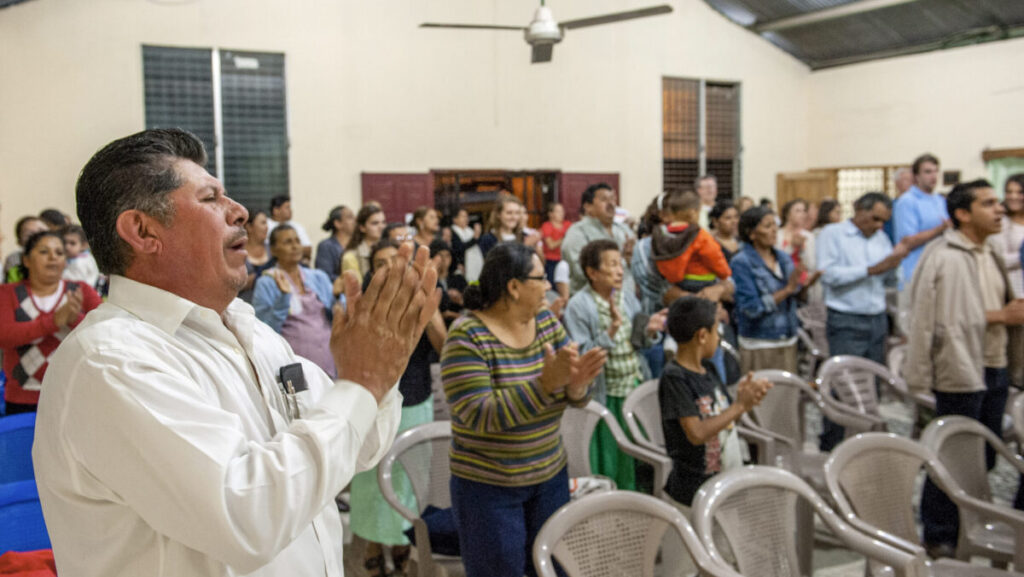
Nicaragua repeats year of widespread repression, report says
Christian Solidarity Worldwide said in a report released this week that repression of religious groups in Nicaragua remained widespread in 2025, with Protestant communities, including Baptists, among those affected.
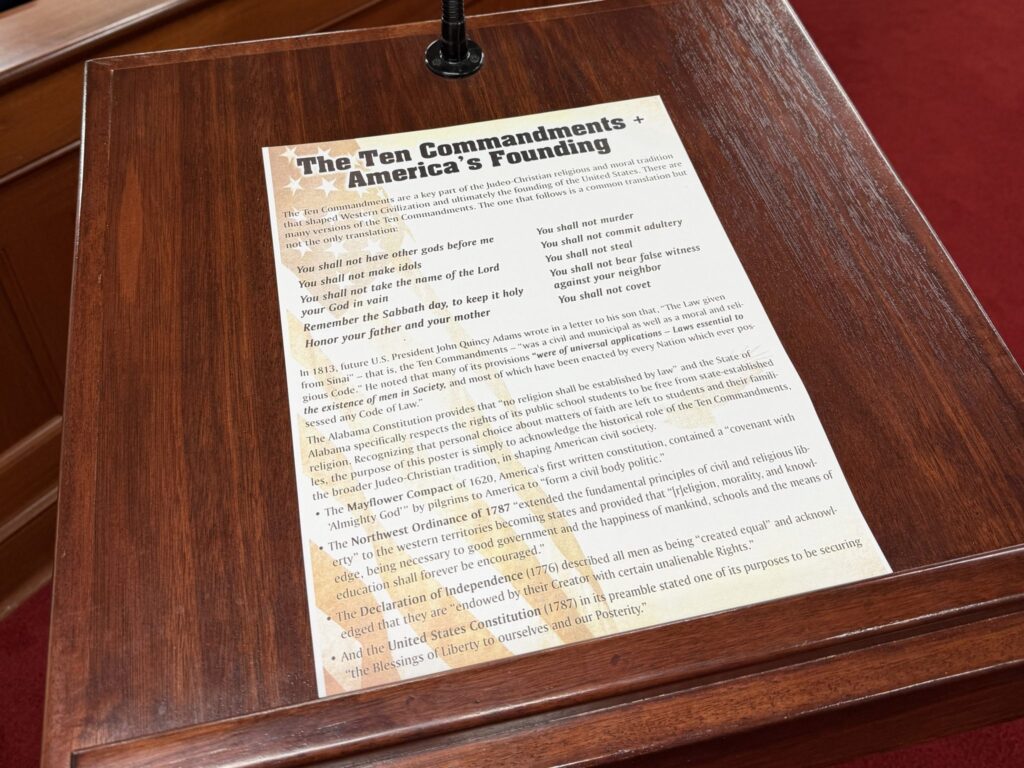
Alabama Senate approves ‘Historical Truths’ Ten Commandments display for public schools
The Alabama Senate on Tuesday (March 31) approved a requirement for public schools to display a poster of the Ten Commandments, presented in a historical context.

First person: 9 ways to live the resurrection every day
We will be celebrating Easter this coming Sunday. Today, I want offer suggestions for living in resurrection power each day, however.
Share with others: