
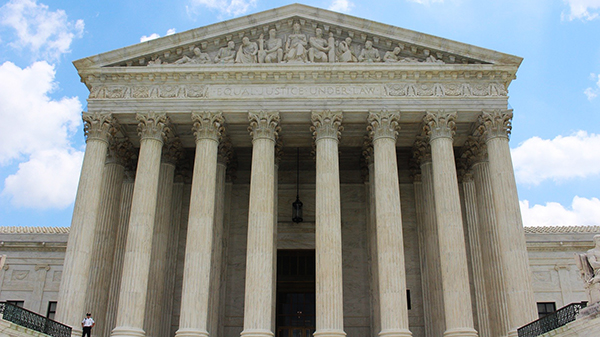
Since the Governor’s Task Force on Illegal Gambling made headlines in March with its raid at White Hall Entertainment Center in Lowndes County, excitement has stirred among electronic bingo gambling opponents. Some wonder if this will be the case to deliver a once-and-for-all Supreme Court decision on the legality of electronic bingo gambling machines.
But the governor’s troops are sticking to the plan and facing one challenge at a time.
“We weren’t put together to do one thing. We were put together for one objective,” said Task Force Commander David Barber, former Jefferson County district attorney. “The objective is to get a ruling from the Supreme Court.”
It all began when Barber and state police seized 105 electronic bingo gambling machines and more than $560,000 from the White Hall facility March 19. Although reports surfaced about people left jobless after the raid, Todd Stacy, Riley’s press secretary, said the task force never shut the facility down.
“They did not put anybody out of work,” he said. “They simply confiscated machines — a representative sample of them.
“Nobody seems to be reporting that this place had taken in more than $560,000 in three days, and that’s not even on a weekend,” Stacy added. “There are people out of money because these machines have in essence stolen from them, and that’s in one of the poorest counties in the state.”
After the task force raid, a legal battle quickly ensued with attorneys for the charity running the gambling center, Cornerstone Community Outreach. According to the Alabama Secretary of State Web site, the group is registered to White Hall Mayor John Jackson at the city hall address.
Lawyers for the outreach filed and received a temporary restraining order and preliminary injunction asking that the task force return the property and not be allowed to come back if the White Hall facility decided to reopen.
Barber requested that retired Supreme Court Justice Mark Kennedy, who was appointed to the case, recuse himself (step down) due to a conflict of interest in the case but was denied.
“The allegations and evidence set forth … cast serious doubt on the trial judge’s ability to adjudicate this case fairly,” the motion reads. “The motion alleged that the trial judge is the project manger of, and may have other financial interests in, the Wind Creek Casino in Atmore, Alabama.”
“The judge has an obvious conflict of interest,” Jeff Emerson, communications director for Riley, said in a press release. “He has a business relationship with a casino and should never have issued any kind of ruling in this gambling case. We have asked the Supreme Court to recognize that, and we’re confident they will.”
Kennedy was “taken off the case by the chief justice (Sue Bell Cobb), and the case has been reassigned to Judge O.H. Edward McFerrin in Macon County,” according to Barber, who filed a request for an emergency stay with the Supreme Court.
“We disagree with the judge’s finding that they were entitled to a temporary restraining order,” he said. “We don’t think that the judge has the right to enjoin (prohibit) law enforcement from enforcing the state criminal code in which (using) gambling devices or slot machines is a crime.”
At press time, the Supreme Court was expected to take action after April 13 on these matters. In the mean time, the White Hall facility has reopened for business.



Share with others: