
Some 50 youth ministers from Alabama participated in an “interesting concept” in February designed to breathe new life into their youth ministries.
Terry Brown, an associate in the Office of Discipleship and Family Ministries with the State Board of Missions, said “Conclave 2000 — Fuel the Fire! Feed the Soul!” was unique because it was led by youth ministers — for youth ministers, to address issues those in the profession face.
He characterized the meeting as a venue to be refreshed and glean from others. “That’s really why we came together,” Brown said.
The Feb. 17-19 conference’s featured speaker Doug Fields, youth minister at Saddleback Valley Community Church, Mission Viejo, Calif., and author of “The Purpose Driven Youth Ministry,” acknowledged frequent battles with discouragement.
“I can’t tell you how many times I’ve wanted to quit youth ministry,” Fields told the 470 participants at the Chattanooga Clarion Hotel, joking that he thought several times about being an Amway™ salesman.
The conference was sponsored by the Baptist conventions of Alabama, Tennessee, South Carolina and Georgia. Brown said each convention picked speakers that are “serious about their calling, about their profession.”
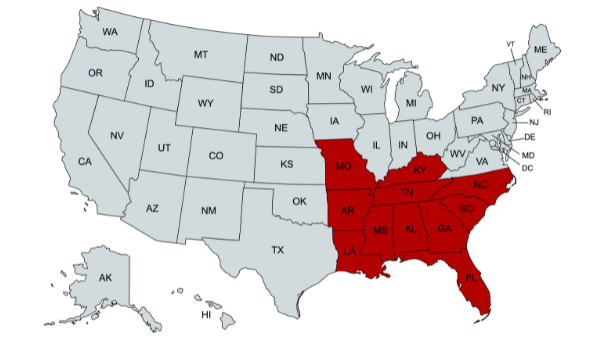
Brown said participants came from Alabama, Tennessee, Georgia, South Carolina, Florida, North Carolina and Kentucky.
“To be influential, you just can’t give up,” Fields said, referencing 2 Timothy 4:7. Youth workers should strive to be influential rather than impressive and people of character rather than charismatic, he said.
People are impressive from a distance, but they are influential up close, Fields said, adding relationships and some transparency are integral for youth successful ministry.
Perseverance needs to be a goal of ministers because so many of them leave the calling, Fields said. To avoid discouragement, he counseled avoiding comparisons with others, not being competitive, building on strengths, resting when tired, ignoring frustrations even when they entail people and Christians, acknowledging failures and building their faith.
Ann Cannon, a writer and consultant for youth ministry and a youth worker at Wieuca Road Baptist Church, Atlanta, identified cultural shifts among teens which included a shift from autonomy to community, but shifts from truth to preference and from religious literacy to religious ignorance.
This group of teens will be the largest generation, she noted, even larger than the baby boomers, so the need is great, she said.
To maintain their influence, youth ministers also should balance their lives by acknowledging their roles, always taking a day off each week, neglecting the unimportant, controlling their time and enlisting the help of others, Fields said.
They should learn to say no, but he added, “I hope you’re not saying no to your family.”
Concerning the need to neglect the unimportant, Fields used Jesus as an example. He spent most of His time with 12 followers and focused primarily on three of them. “And He was God; He had that going for Him,” Fields said.
Allen Jackson of New Orleans Seminary spoke on trends of youth ministry in the future.
Youth ministries will become more family based, reaching out to youth and their families, Jackson said. For example, he said he does not advocate worship held just for youth, noting it isolates them. They need what they can learn from other generations, he said, suggesting churches integrate youth-led activities such as drama and other gift groups into worship services to involve teens.
Ministries will provide more missions-based projects, Jackson continued, in response to the decline of Acteens and Challengers, church organizations that resulted in most of the missionaries serving today.
Jackson predicted ministries in the future will focus on relationship building, such as coffeehouses, and purposeful evangelism strategies and leadership development to engage students. Today’s youth have a lot of options, so they need choices at church, he said, and they have access to a lot of information, so they need the right information.
Scott Kindig, youth pastor at Brookwood Baptist Church, Lawrenceville, Ga., said youth work is important because only 12 percent of teens attend church and 85 percent of those leave after high school graduation.
Only 10 churches in the United States baptized 100 or more youth last year and the average church devotes only 3-7 percent of its budget for youth evangelism, Kindig said. (Compiled by TAB)

Carey Baptist Association opens new thrift store
Carey Baptist Association is blessing the community through a new thrift store at 82030 Highway 9, Ashland.

Birmingham after-school program making a difference in the lives of children
Discovery Clubs, an after-school program in 23 schools in the Birmingham Metro area, is all about sharing the redemptive story of Scripture with children who might have no other exposure to the gospel.
Tips for maintaining, enacting church security
In light of church shootings over the last few years, including Texas and Vestavia Hills, Alabama church leaders may be
Headline news from around the Southeast for September 30
Arkansas Seeking a creative way to engage with students at the start of the academic year, Mark Parsley, student pastor
Share with others: