

Ten days after Christ’s ascension into heaven Peter preached on the day of Pentecost where 3,000 souls were saved, but he didn’t earn that role by being perfect. In fact, if he had not been given a second chance then he would have forfeited the opportunity.
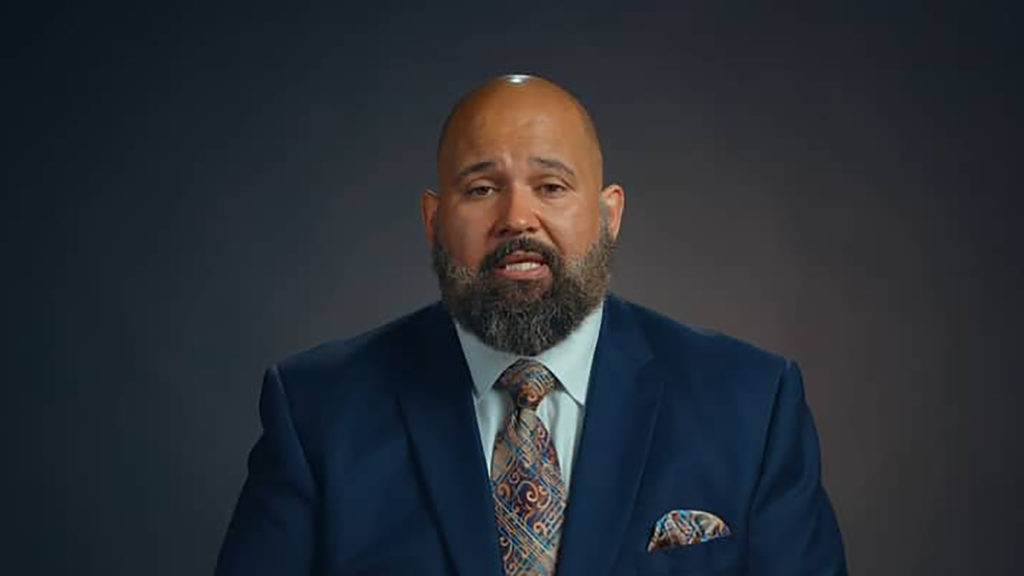
But Jesus knew who Peter would one day be and looked past the “denying Christ three times before the rooster crows” episode, said Robert Smith Jr., the Charles T. Carter Baptist chair of divinity at Samford University’s Beeson Divinity School in Birmingham.
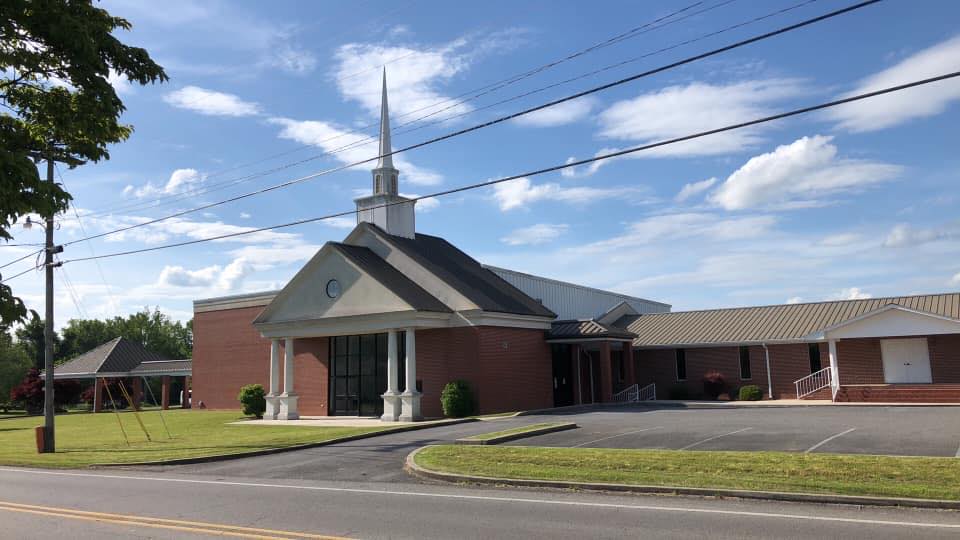
Headlining the opening night of the Feb. 23–24 Alabama Baptist State Evangelism Conference at First Baptist Church, Trussville, Smith preached on “The Gospel of a Second Chance.”
And while Luke 22:31–34 and 1 Peter 5:10 were Smith’s primary texts, those in attendance heard rich nuggets from more than 20 other passages as he wove his sermon together in the typical seamless fashion for which he is known.
“All of us need a second chance, a 2,000th chance,” Smith said.
From Noah to Abraham to Moses to Joshua, Jonah, David and the Samaritan woman, the examples are rampant with God giving His people new opportunities.
Whether it be related to health, marriage, ministry or anything else, “God has a way of giving a second chance,” Smith explained. “And because He is giving us that, we ought to give Him glory, magnify Him and bless His name.”
‘We are unforgiving’
But “we are unforgiving people. We never let people forget their errors,” he noted. “There are Christians walking around right now still living under the cloud of unforgiveness.
“Stop walking around looking up at the bottom of your shoe. You’ve been forgiven. This gospel that we preach is the gospel of a second chance.”
To truly understand these second chances, slowing down to read the Bible is necessary, Smith said.
“The reason we get less out of the Bible than we should is that we read it too quickly. I want all senses to be evoked from the text,” he said, noting he requires his students to read each verse in their sermon 50 times during their preparation so they will overflow with understanding.
Circling back to Peter, Smith said he read the text related to Peter’s denial too quickly at first. The passages in Matthew and Luke say Peter will deny Christ three times before the rooster crows once, but Mark 14:30 says Jesus predicted it would happen before the rooster crowed twice.
“It seems to me that it should have only taken one crow to remind Peter of what he said,” Smith said. “Yet he didn’t get it the first time. The rooster crowed twice.
“Peter didn’t really get it until Jesus looked straight at Peter. Then Peter wept bitterly,” Smith said. “It was a time of great pain for Peter. … When Jesus looked at Peter, it broke his heart — ‘I’ve denied the One who brought me, taught me, kept me and never left me, the One who saved me. I’ve denied the One’ … but Peter gets another chance.”
In Smith’s well-known sing-song style of concluding a sermon, he described the Scripture in Mark 16 where the risen Christ tells Mary Magdalene, “Go and tell My disciples and Peter.”
“The ‘and Peter’ phrase meant Jesus was including [Peter]. He would not have felt invited if Jesus had not said ‘and Peter … I’m still including you.’ When Peter got that word he finally understood that it is a gospel of a second chance.
“Sometimes the Lord has to keep speaking to us because He is the God of second chances.”
The Bible is filled with examples of God speaking to His children, calling them multiple times in order to get their attention, Smith said. “When the Lord calls a name twice, it generally signifies urgency.
“When you sense that God is speaking in terms of a call or sacrifice, you need to say, ‘Hush, hush, somebody is calling my name. It sounds like Jesus.’”

Share with others: