
This article is part of a series, Pray like Jesus, on ways Jesus teaches us how to pray to our heavenly Father. Keep an eye out for related articles.
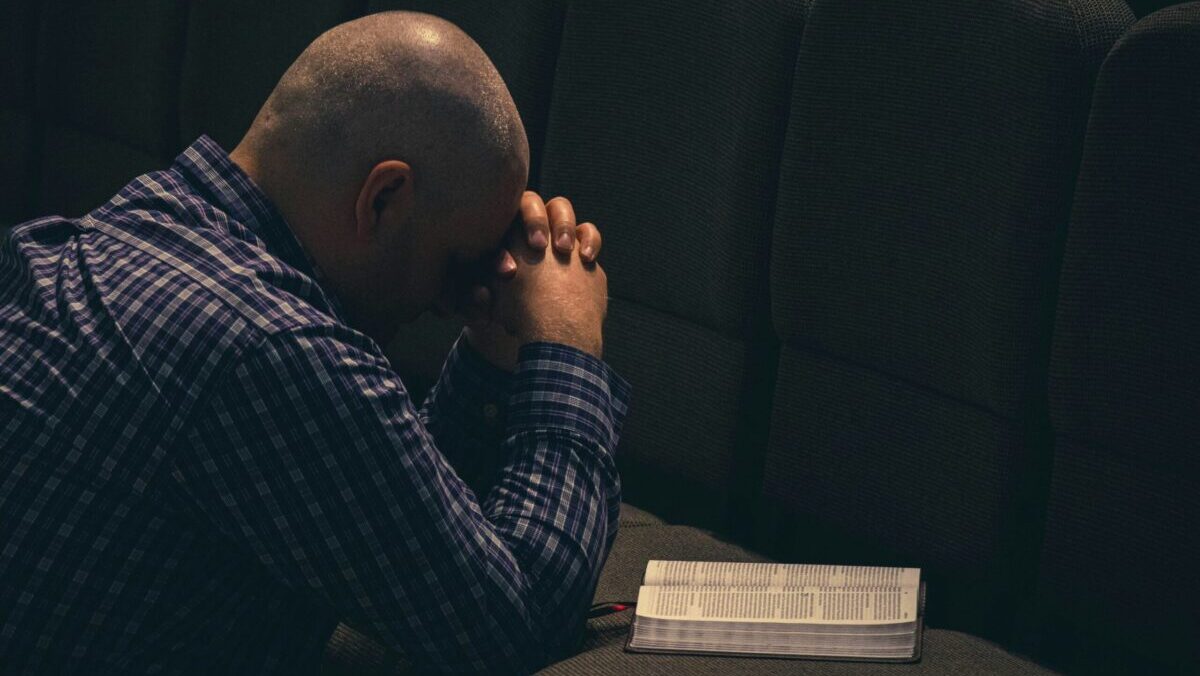
When Jesus prayed, He prayed most frequently in solitude. Jesus rose early in the morning — before dawn — to commune privately with His heavenly Father. He prayed in quiet solitude long before the rest of the world awoke to the bustling duties of their day (Mark 1:35; Luke 4:42).
Early morning devotions
In doing this, Jesus followed the practice recorded in the Psalms:
— “In the morning, Lord, you hear my voice; in the morning I lay my requests before You and wait expectantly” (Ps. 5:3).
— “But I cry to you for help, Lord; in the morning my prayer comes before You” (Ps. 88:13).
Seeking solitude
Jesus also withdrew often from the needy crowds, searching for lonely places to pray. After cleansing a leper (Luke 5:12–14) and attending a dinner with pompous, criticizing Pharisees (Luke 5:27–32) and feeling exhaustion from the large and demanding crowds, He needed to find a quiet place to pray. Luke 5:16 states that Jesus “often withdrew to lonely places and prayed.”
Prayer and the Psalms
During those times, perhaps Jesus reflected on David’s heartfelt prayer when he felt overwhelmed: “Oh, that I had the wings of a dove! I would fly away and be at rest. I would flee far away…” (Ps. 55:6–7).
In His private prayers Jesus found a deep intimacy with His Father, whose presence stayed faithfully near Him. Jesus found comfort in God’s promise of eternal presence, as stated by the psalmist: “Where can I go from your Spirit? Where can I flee from your presence? … Even there Your hand will guide me, Your right hand will hold me fast” (Ps. 139:7, 10).
Divine guidance and intimacy
Private prayer enabled Jesus to tell “Abba” His struggles and disappointments openly and honestly and to seek God’s counsel for the coming day. Scriptures in the Psalms and Proverbs assured Him — and us today — of God’s guidance:
— “For this God is our God for ever and ever; He will be our guide even to the end” (Ps. 48:14).
— “He refreshes my soul. He guides me along the right paths for His name’s sake” (Ps. 23:3).
— “Trust in the Lord with all your heart and lean not on your own understanding; in all your ways submit to Him, and He will make your paths straight” (Prov. 3:5–6).
Jesus prayed regularly in this way, faithfully keeping His appointment with His Father in solitary communion. He knelt humbly at God’s feet, listening to the Voice that spoke to His heart and realizing His utter dependence on Him.
Jesus’ teaching on private prayer
Jesus also taught His disciples to seek solitude when they prayed. When they asked Him for prayer advice, He told them: “But when you pray, go into your room, close the door and pray to your Father, who is unseen. Then your Father, who sees what is done in secret, will reward you” (Matt. 6:6).
Jesus urged them to closet-pray, escaping distraction and pursuing one-on-one intimacy with their Father. He taught them not to pray like the Pharisees, who prayed self-glorification performance prayers in the midst of the crowds — a vain spectacle (Luke 18:11) — but instead to pray from a standpoint of secret humility, using the example of the repentant tax collector who beat his breast and begged God to have mercy on him, a sinner (Luke 18:13).
Examples from Scripture
Perhaps Jesus reflected on the private praying of others before His time on earth — the prayers of Daniel, who prayed three times a day in solitude in his upstairs room (Dan. 6:10), or the silent prayers of Hannah, when Eli observed her moving lips (1 Sam. 1:12–13). Hannah prayed from the silent sanctuary of her heart, and God honored those private prayers, blessing her with a son.
During His life among us, Jesus showed us that private prayer isn’t optional but urgent and necessary for our growing faith in God. Through God’s Word, Jesus teaches us even today how to pray.
Suggestions
When you pray personally:
Choose a quiet place of solitude — even if you must sit in your car to escape the noisy chaos of everyday life. Your prayers can be simple, consisting of praises to God, thanksgiving for God’s provisions and blessings and a pouring forth of your own needs and petitions for yourself and others.
Take a few minutes to sit in silence, listening to God’s gentle whisper speaking to you. In “The Practice of the Presence of God,” Brother Lawrence writes, “The time of prayer is not the time for speaking to God; it is the time for listening to God speak to us.”
When your church prays:
Allow corporate worship to flow from the personal prayers offered by church leaders and members. Set aside small spaces of solitude (prayer rooms) for church members to pray privately. From the pulpit, teach congregants how to pray privately and the blessings that come from this unique intimacy with God through Christ.
We can be grateful to the New Testament’s Gospel writers who captured for all time the most frequent and beautiful way Jesus prayed — in places that offered Him quiet solitude and deep intimacy with His Father. From His own prayer practices, He leaves us a powerful example of how to pray privately.




Share with others: