
Arriving at church on Easter weekend, Rick was accosted by three church leaders saying they had “irrefutable evidence.”
Evidence of what? Rick still does not know. He does know that he faithfully served this church for two years and was suddenly asked to turn in his keys, resign and not to return, even to preach. He had to hire a lawyer to get his books from the office, but he still does not have his computer records and sermon notes.
Rick, not his real name, was among a dozen participants at the Ministering to Ministers (MTM) Wellness Retreat at First Baptist Church, Cullman, in late May/early June. Each participant had faced involuntary termination or another congregational crisis.
Jim O’Dillon, minister of education/outreach for First, Cullman, said the pastor and church members strongly supported MTM. He said he asked Sunday School classes to sign up to provide a meal and had more than was needed.
“Our folks, when they heard about the need, they responded tremendously,” O’Dillon said, noting the church members also served the meals to the ministers and their spouses.
Experiencing the love and support of church members is a soothing balm to these ministers who have been hurt, he said. “The Lord just used it.”
“I don’t think you can go through this trauma without some form of depression,” said Charles Chandler, an Alabama native who founded the Ministering to Ministers Foundation of Richmond, Va., in 1994.
The hallmark of the foundation is the five-day wellness retreats it sponsors periodically across the nation.
To date, the wellness retreats have ministered to 632 participants representing 32 denominations in 31 states and the Bahamas, officials said.
Chandler said ministers come to these retreats with low self-esteem and low self-confidence. Sometimes they feel a certain amount of failure and some repress their anger, a feeling the retreat helps them work through.
According to Chandler, only 54 percent of ministers who go through forced termination go back into the ministry.
He said the worst thing a minister can do when he or she faces an involuntary termination is to leave without getting to the root of the problem.
“Until you expose the secret, you’re perpetuating a sick system,” Chandler said.
No matter the situation, he reminds churches to provide adequate severance and counseling fees to a minister they are terminating.
“Ministers usually can’t find new work in one month or two,” Chandler said. “They’re emotionally drained and many don’t know how to manage the job market. It usually takes six months or more before these men and women can find another job or a church position.”

Lakeview Baptist in Auburn hosting women’s conference Aug. 1–2
Author Rosaria Butterfield will be the featured speaker, sharing her conversion experience to Christ and teaching from her book “Five Lies of our Anti-Christian Age.”
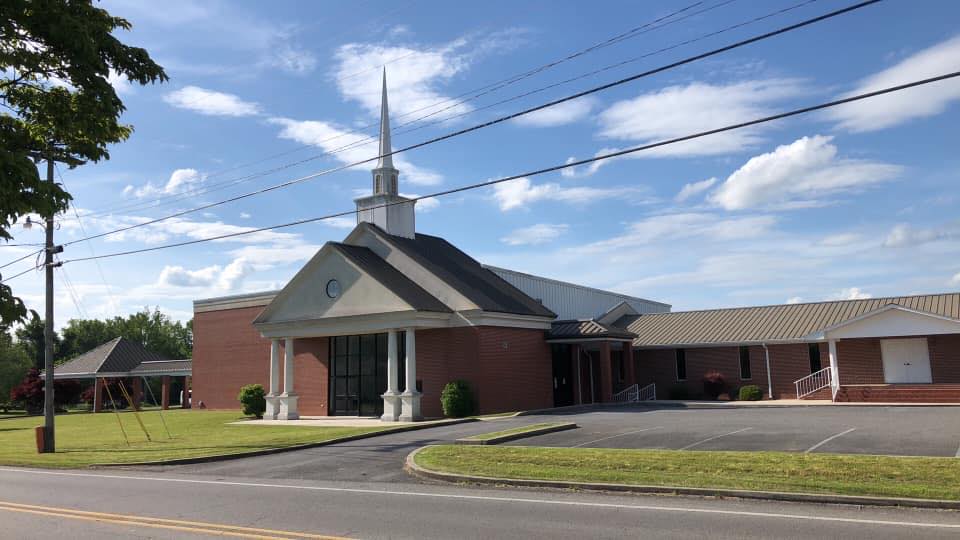
Henagar Baptist hosting women’s conference Aug. 9
The theme, Rooted in His Love, is based on Ephesians 3:14–21. Guest speakers include Jo Carwile, Missy Lundy, Pam Atcheson, Candace McIntosh and Julie Boyd.
Southern Baptist Convention VP to speak at North Shelby Baptist Church
North Shelby Baptist Church in Birmingham will host Lee Brand, first vice president of the Southern Baptist Convention, on Aug.
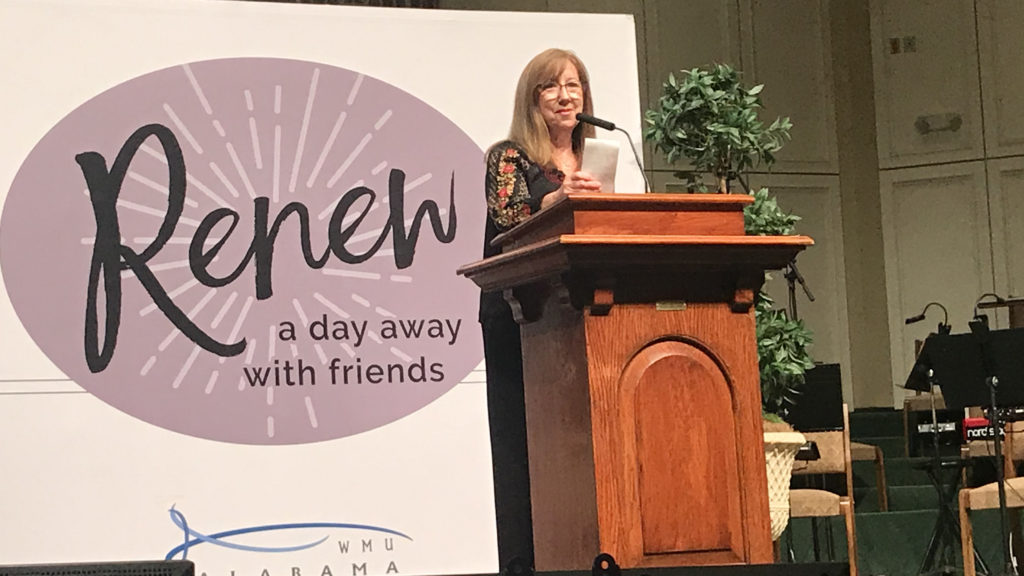
Renew 2021 encourages joy in the journey
After a year of virtual conferences and a few canceled events, women from across Alabama gathered in person on April
Share with others: