
Drop by Dawson Memorial Baptist Church in Homewood on any given Tuesday night and you will find a menagerie of individuals from all around the globe.
The men, women and children — from such varied locales as Mexico, Africa, China, Serbia and Jordan — gather each week with a common goal: to learn more about the English language and American culture.
The Birmingham Association church is just one of many throughout Alabama that offer English as a Second Language (ESL) classes to the international residents of their communities.
The program at Dawson is typical of most church-run programs; it provides beginners and advanced classes that prepare students to function in various American settings. And although the program does not provide Christian teachings, it does give volunteers an opportunity to spread the gospel.
According to Marion Ferguson, co-director (along with Linda Stephens) of the ESL program at Dawson, the classes are geared to individuals at all levels of English language knowledge. “We have classes that are very basic, that teach you to say ‘please’ and ‘thank you,’ and then we have advanced classes where students practice language skills but also learn about cultural issues, politics and so forth.” All students, whether basic or advanced, are treated with respect and shown Christian friendship.
“We always have a short devotion at the beginning of each session, and we invite students to attend our international Sunday School classes and worship services,” Ferguson said. “We are able to tell them that we offer our classes because of God’s love for them. It helps them understand our faith better.”
The Dawson program is just one of many throughout Alabama. Many are offered through Baptist associations, Baptist churches and through the joint efforts of schools and churches. Any church can offer English classes, but churches can go a step further and be trained specifically for such a ministry through the literacy missions ministries arm of the Alabama Baptist State Board of Missions (SBOM). The office offers annual workshops through the State Literacy Missions Conference at Shocco Springs Baptist Conference Center in October.
According to Gena Heatherly, state literacy missions coordinator for the Alabama SBOM, “ESL ministries usually begin when a group of people, or just one person, feels God calling them to begin a literacy missions ministry.” She recommends that interested churches attend training courses so they are ready to reach out through their English language programs. “Alabama is fortunate to have approximately six people trained to lead the workshops that give people in the churches and/or associations the 16-hour workshop certification by the North American Mission Board,” Heatherly said.
At First Baptist Church, Trussville, Chris Chambers directs a ministry that includes a number of volunteers who have completed certification workshops. The church offers two ESL classes a week and has a number of volunteer teachers who have been certified either in associational classes or through the Shocco seminar.
Once a church starts an ESL program, the way it is run can vary. Heatherly said that most give each student a language proficiency test to decide his or her level of knowledge.
“The student is then placed in a group of five to nine students that speak English at about the same rate,” she said. “Students are usually placed in these small groups with a teacher who designs the lessons. It is ideal if the people in the small group speak many different languages.”
The Trussville program involves three levels of teaching — from those with absolutely no English skills to those who communicate fairly well, to those who also have some writing skills. Classes are designed to equip students with day-to-day living skills. “We … even go so far as to teach how to buy and fill out a money order,” Chambers said. “Our participants lack so much practical information and need to be taught so many things.”
“We also teach about English and American customs. We take field trips to expose them to specific aspects of culture and customs,” he added. “We use Scripture to teach about our Christian holidays.”
Ferguson added that their classes also provide the skills necessary to gain American citizenship and to acquire other skills needed legally in the United States. “We provide drivers education, preparation for the citizenship test, and the preparation for the TOEFL Test (the English language test that all internationals must take to enter an American college),” she said. “We also have an immigration officer who is available to help with filling out various forms.”
The ESL groups across the state are made up of students from around the world. Heatherly said that in Montgomery, where the Alabama SBOM is headquartered, churches work each year with students from more than 50 countries.
Ferguson has also been surprised by the wide variety of nationalities represented. “About half of our students are Hispanic, then we have a mixture of Asians and Europeans that make up the other half,” she said. “We have students from such far-flung places as Jordan, Serbia, Romania, Bosnia and Gabon in Africa.”
Chambers said that students are primarily Hispanic and Japanese (whose husbands work at the nearby Honda plant) but also include a Bolivian pastor and two students from Venezuela.
It’s not just adults who are involved in these ESL programs — children also benefit. Chambers and Ferguson both said their churches provide children’s activities and child care during class time. And many churches across the state work in conjunction with local schools to teach English language skills to children.
First Baptist Church, Decatur, for example, has a program that teaches language (and other academic) skills to students — mostly those from the large Hispanic population. While most of the instruction is in English language skills, there is also a conscious effort to provide a Christian environment. The classes include a 15-minute prayer time and a religious-based story time. According to Laurel Griffith, the parents know about and expect the class to have some Christian instruction. “We let parents know when they sign up that our program is faith-based, although we don’t do anything doctrine-based,” Griffith said.
For more information about literacy missions, call Richard Alford at the SBOM at 1-800-264-1225.
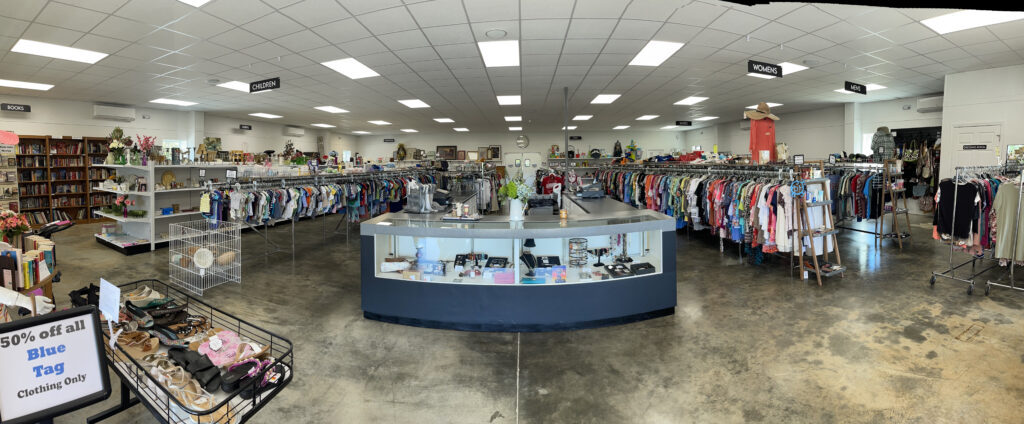
Carey Baptist Association opens new thrift store
Carey Baptist Association is blessing the community through a new thrift store at 82030 Highway 9, Ashland.
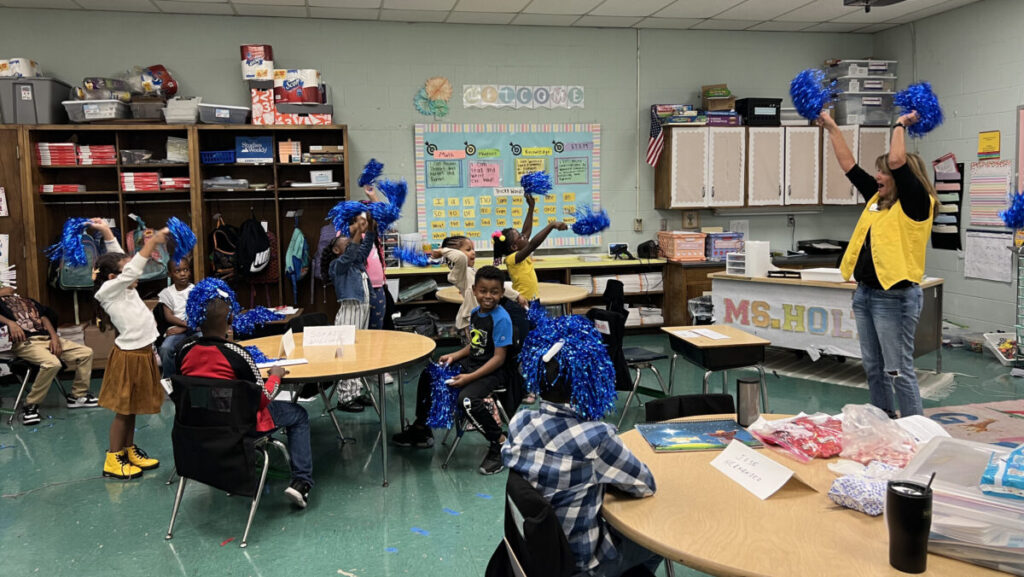
Birmingham after-school program making a difference in the lives of children
Discovery Clubs, an after-school program in 23 schools in the Birmingham Metro area, is all about sharing the redemptive story of Scripture with children who might have no other exposure to the gospel.
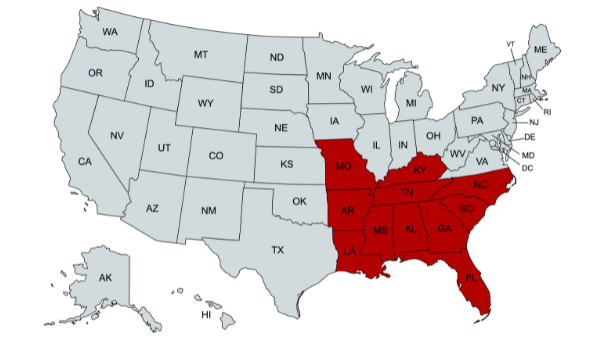
Headline news from around the Southeast for September 30
Arkansas Seeking a creative way to engage with students at the start of the academic year, Mark Parsley, student pastor
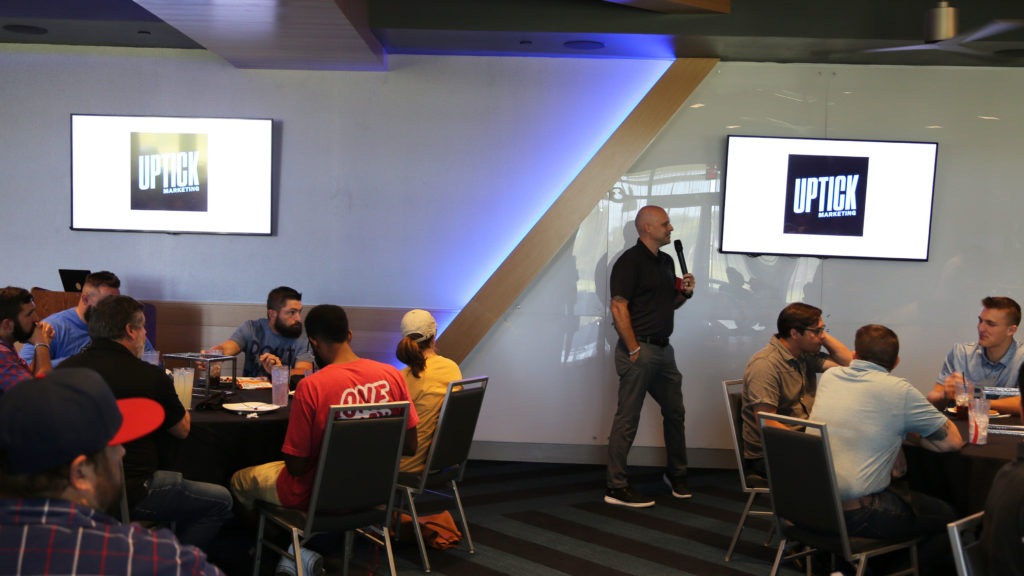
First Priority of Alabama seeing students ‘hungry’ for fellowship, spiritual answers
Supporters of First Priority of Alabama joined together for the Topgolf challenge Sept. 9 in Birmingham. The lunch event drew
Share with others: